

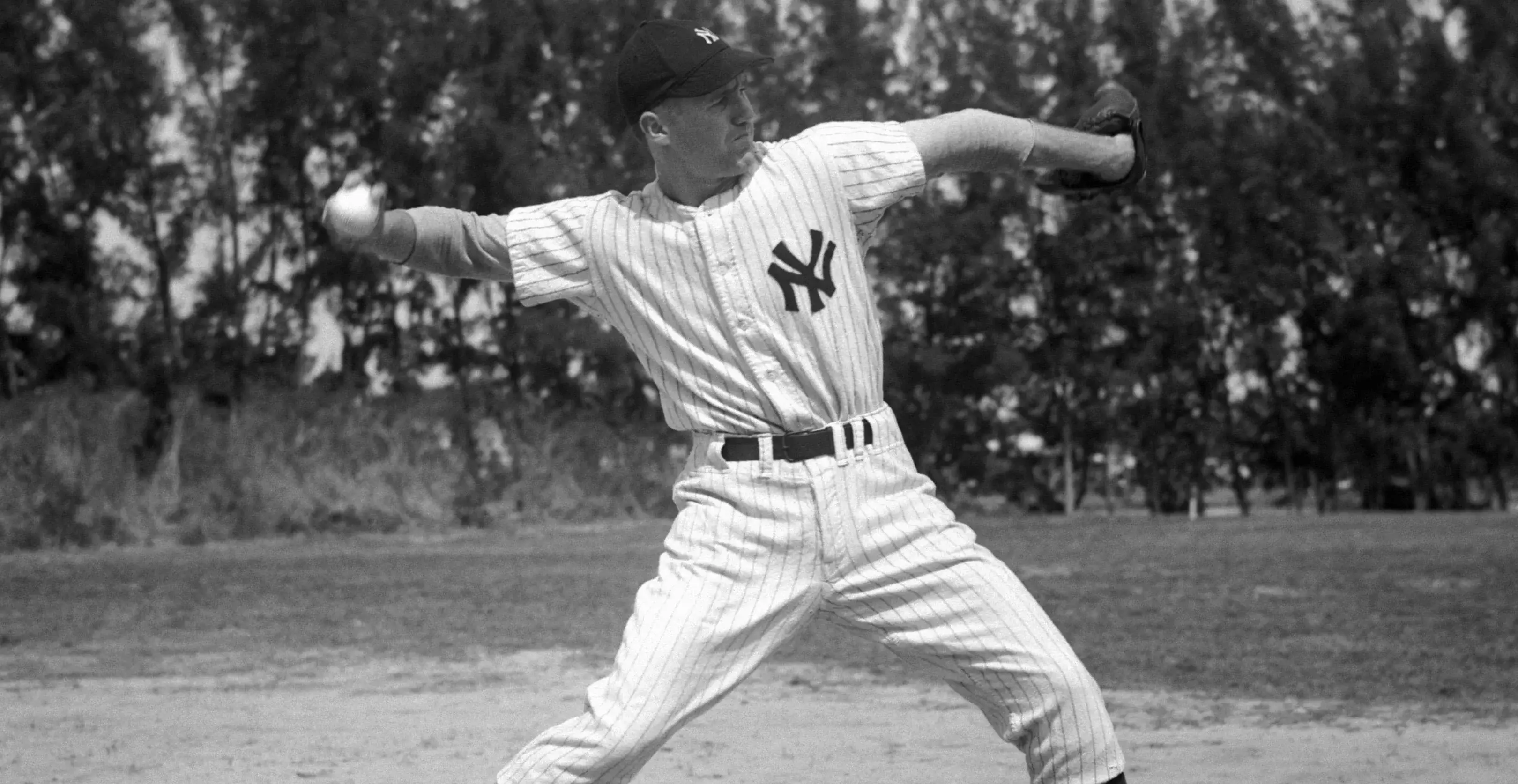

From Seattle to Stanford: The Making of a Dual Career
Robert William "Bobby" Brown was born on October 25, 1924, in Seattle, Washington. His family moved frequently during his youth before settling in San Francisco, where he attended Galileo High School. Notably, Brown attended the same high school as baseball legend Joe DiMaggio, a connection that foreshadowed his own path to the major leagues.
He later enrolled at Stanford University, where his athletic prowess was evident even before his professional debut. While attending Stanford, he helped rescue a Coast Guardsman from a plane crash, demonstrating the quick reflexes and courage that would define his early life.
During World War II, Brown enlisted in the Navy. His service was interrupted by his education; after being discharged from the Navy in 1946, he attended medical school while playing baseball for UCLA and Tulane. This unique combination of academic and athletic discipline allowed him to sign with the New York Yankees immediately following his discharge.
The Newark Years and World Series Debut
Brown spent time in the minor leagues with the Yankees' affiliate in Newark, where he was roommates with future Hall of Famer Yogi Berra. The two formed a close bond during this period, which proved foundational for Brown's entry into the big leagues.
In 1946, Brown hit .341 for the Newark affiliate, finishing behind Jackie Robinson in the International League batting title race. This performance earned him a call-up to the majors. He made a seven-game cameo with the Yankees in September 1946, showcasing his potential on the biggest stage.
His major league breakthrough came during the 1947 World Series against the Dodgers. In four pinch-hitting appearances, Brown recorded three hits and a walk. His most critical moment arrived in Game 7, where he delivered an RBI double that tied the game. The Yankees went on to win the 1947 World Series over the Dodgers, with Brown playing a pivotal role in the victory.
Steady Contributor and Korean War Service
Brown became the primary third baseman for the Yankees in 1949, helping the team win another World Series title. He hit .500 in the five-game victory over Brooklyn, cementing his status as a clutch performer. Over his career with New York, Brown won four World Series titles, establishing himself as one of the most reliable players in postseason play.
In 17 career World Series games, Brown hit .439/.500/.707 with eight extra-base hits and a 1.207 OPS. His performance was not limited to the postseason; an original caption notes that he hit one of five home runs for the Yankees in a 7-5 victory over the Washington Senators on September 9 at Yankee Stadium, highlighting his consistent power during the regular season.
However, Brown's baseball career was interrupted by national service. He missed the last two years of the Yankees' five-peat because he was drafted to serve as a doctor in the Korean War. This decision underscored his commitment to public service beyond the diamond.
Return and Retirement
Brown returned to the Yankees in 1954 but did not hit well, struggling to regain the form that had characterized his earlier years. After that season, he retired from baseball to work full-time in the medical field, a career path he had prepared for during his time at UCLA and Tulane.
Brown died on March 25, 2021, in Fort Worth, Texas, at the age of 96. His legacy remains defined by his dual excellence in medicine and baseball, as well as his critical contributions to Yankees' championships during a transformative era in sports history.