


Background on the Greater Green Island Community Network and its initiatives
The Greater Green Island Community Network operates as a vital support structure for local families, focusing heavily on youth development within the area. The organization is dedicated to fostering an environment where young people can engage in constructive activities that build their confidence and community spirit. Central to this mission is the provision of after-school programs designed to keep children engaged during critical developmental hours. The network has cultivated a reputation for empowering its younger members, allowing them to take on leadership roles within structured groups. This approach aims to bridge the gap between academic learning and practical life skills. By integrating youth into decision-making processes regarding their own activities, the community seeks to create sustainable models of engagement that can continue long after formal education concludes. The staff at the network have noted a strong sense of camaraderie among both employees and the young participants they serve. This unity is often reflected in how quickly individuals come together for special events or forums designed to showcase their progress. The recent recognition given to specific team members underscores an organizational culture that values individual contributions while maintaining a collective focus on community well-being.
Recognition of youth worker Brianna Le at the leadership forum
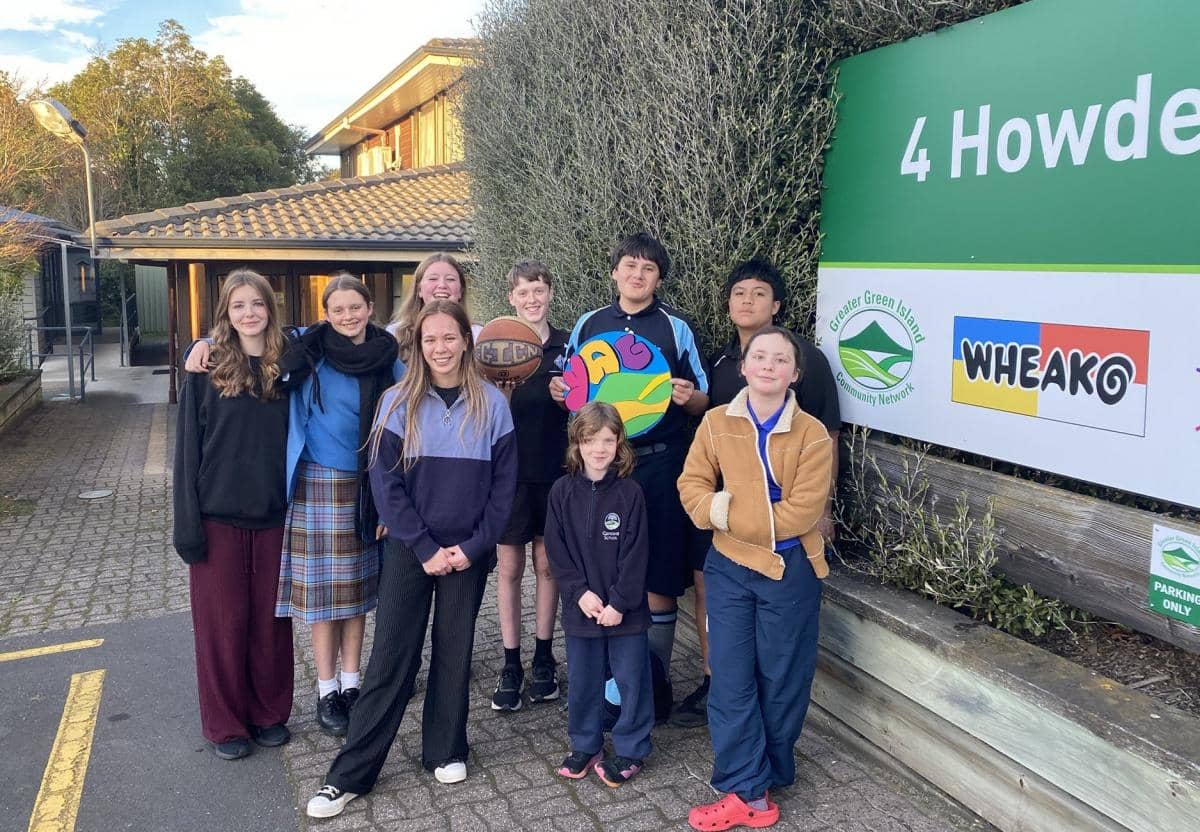
Youth worker Brianna Le has become a focal point for pride within the organization following her active participation in a recent leadership event. Staff members and young volunteers alike have expressed their admiration for Ms Le, citing her consistent dedication to the welfare and development of the children she mentors. Her presence at the forum served as a testament to the hard work put into daily operations by her team. The photograph capturing this moment was taken during the proceedings of what appears to be a significant gathering for local youth leaders or community representatives. In the image, Ms Le is pictured standing with members of the after-school Youth Action Group she leads directly. The setting suggests an atmosphere of celebration and professional acknowledgment within the broader context of regional politics and social development. Her role involves guiding students through various projects that encourage civic responsibility and peer leadership. By facilitating these interactions, Ms Le helps young people articulate their ideas to a wider audience. This skill is often cited by educators as crucial for future employment prospects and active citizenship in democratic societies. The event itself likely involved presentations or discussions regarding the challenges facing youth in similar communities across New Zealand's South Island region. Such forums provide platforms where local successes can be shared with stakeholders who might otherwise remain unaware of grassroots achievements. The visibility gained by Ms Le through this coverage highlights how individual efforts within small networks contribute to larger societal goals.
Details from the photograph and key participants in the Youth Action Group
The image released alongside news reports provides a detailed look at the individuals involved in the program under Ms Le's guidance. Standing prominently with her are several named members of the group, each representing different age brackets that reflect the inclusive nature of their activities. In the back row of the photograph, from left to right, are Bella Yeoman, aged 13; Esme Grey, also 13 years old; Ruby-Mae Inch at 14; Christopher Gibbons at 12; Joseph Hemopo at 14; and Mathius Ieremia at 12. These young people represent the core demographic served by the after-school initiative. At the front of the group, alongside Ms Le herself, are Olivia McKenzie, who is seven years old, and Hannah Pearson, aged 12. The inclusion of such a wide age range demonstrates how the program adapts to meet needs across various developmental stages. Younger children benefit from mentorship that introduces them to concepts of teamwork early on, while older participants engage in more complex leadership challenges. The photograph was taken by Brenda Harwood, whose work captures these moments for publication within The Star section of the Otago Daily Times. Her documentation ensures that local stories reach a broader audience beyond immediate community circles. This visual record serves as both an archive and promotional tool for the network's ongoing efforts. Each participant listed in the photograph brings unique talents to the group, contributing to its dynamic environment. Their participation indicates successful recruitment strategies employed by Ms Le over time. The diversity seen here suggests that barriers to entry are low enough to allow almost any interested child from Green Island to join and thrive within such programs.