


Strategic Priorities Amid Regional Tensions
A prominent human rights activist has asserted that the Iranian government deliberately prioritizes conflict with the United States over pursuing peace, specifically as a strategy to manage and suppress internal unrest. This assessment suggests a calculated decision by the regime, which, according to the activist, perceives the threat posed by its own citizenry as more immediate and dangerous than the potential for military intervention or strikes from Washington.
The activist’s perspective highlights a critical internal dynamic, positing that the Iranian leadership views its domestic population as a greater existential challenge than external adversaries. This implies that the regime's foreign policy actions, particularly those that escalate tensions, may be primarily driven by a need to consolidate power at home and divert attention from widespread discontent.
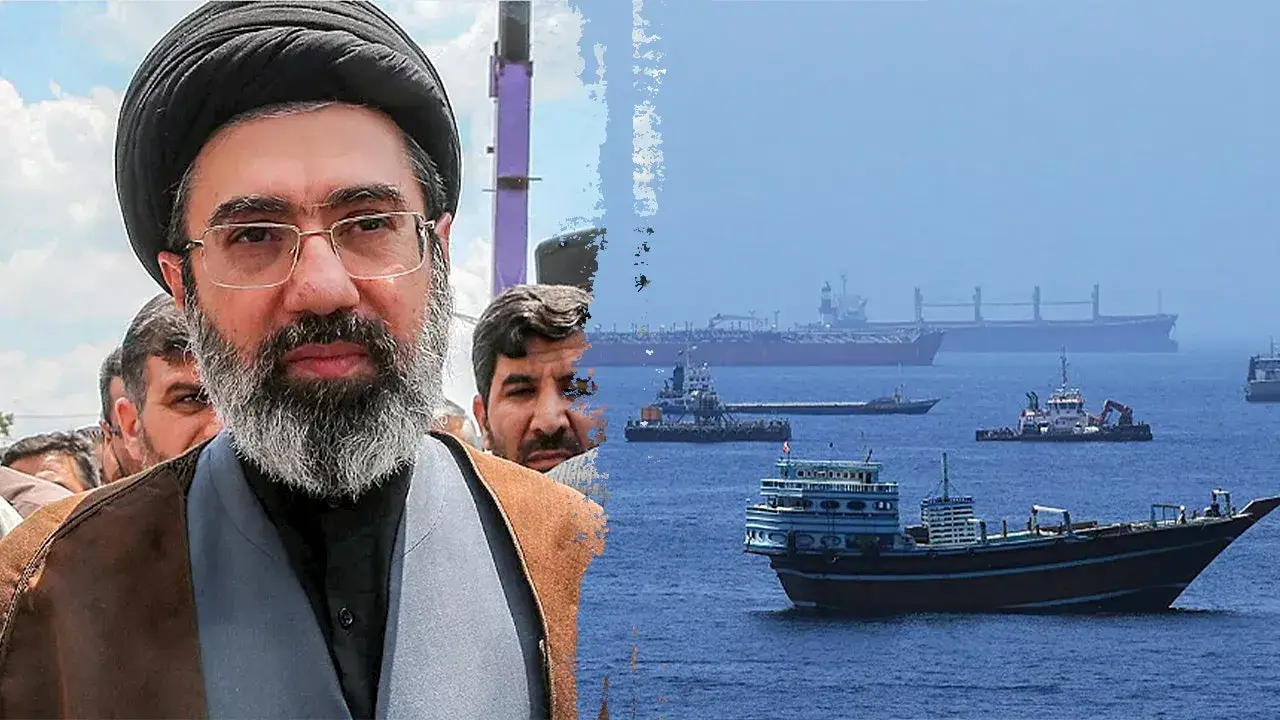
Furthermore, the activist contends that Tehran is actively leveraging friction and instability in the Strait of Hormuz not merely for international strategic gain, but as a direct method to ensure its political survival. This approach suggests that the regime is using geopolitical flashpoints to rally nationalist sentiment, project strength, and potentially justify stricter internal controls, thereby managing domestic instability through external confrontation.
The Strait of Hormuz as a Survival Tactic
The Strait of Hormuz, a critical chokepoint for global oil shipments, has frequently been a flashpoint in regional tensions. By escalating activities or rhetoric concerning this vital waterway, Iran can create a sense of national emergency, which, from the activist's viewpoint, serves to overshadow internal grievances and protests. This strategy could allow the regime to frame any domestic opposition as undermining national security during a period of external threat, thus justifying a more forceful crackdown.
The activist’s claims underscore a deep-seated fear within the Iranian government regarding its own people, suggesting that the regime believes a state of heightened external conflict provides a more stable environment for its continued rule than a period of calm that might allow internal dissent to flourish unchecked. This interpretation offers a compelling, albeit concerning, lens through which to view Iran's recent actions on the international stage.
Broader Geopolitical Context and International Reactions
The claims regarding Iran's internal priorities and strategic calculations emerge against a complex and volatile backdrop of heightened diplomatic and military activity across the Middle East. The United States has taken significant precautionary measures, issuing stark warnings to its embassies throughout the region. These advisories have urged American citizens to prepare for an “unforeseen escalation,” following recent military strikes that have reportedly impacted Iranian territory, further ratcheting up regional tensions.
Amidst this precarious environment, President Donald Trump has employed exceptionally strong language to describe Iran's status, publicly stating that the country is “DEAD.” However, this definitive pronouncement contrasts sharply with analyses from various experts cited in reports, who suggest that rather than facing imminent collapse, Tehran is nearing a critical threshold. This threshold implies a point of heightened instability and potential for significant shifts, but not necessarily an immediate end to the regime.
Diplomatic and Economic Pressures on Tehran
International relations involving Iran are currently navigating a highly complex and often contradictory landscape. Illustrating this complexity, Indian Prime Minister Narendra Modi engaged in diplomatic meetings with Iranian officials. This significant engagement occurred even as the United States continued to issue stern warnings of sanctions against any countries that maintain trade relations with Tehran, underscoring the challenges of enforcing a unified international front against Iran.
Simultaneously, Russia has unequivocally expressed its support for the Iranian regime, highlighting a crucial strategic alignment. An expert noted the profound interdependency between the two nations, stating that President Vladimir Putin and Iran “need each other desperately.” This mutual reliance is rooted in broader geopolitical shifts, where both Moscow and Tehran seek to counter-balance Western influence and assert their own regional and global interests, creating a formidable, albeit controversial, alliance.
Intelligence and Security Developments Fueling Concerns
Adding another layer to the intricate security concerns, recent intelligence reports have revealed the existence of an intact Iranian bunker. This discovery has raised significant alarm among international observers, as it potentially conceals ongoing nuclear work by the regime. The implications of such a facility, particularly in light of past international efforts to curb Iran's nuclear ambitions, contribute directly to the heightened security environment that has prompted US embassies to issue alerts regarding potential escalation in the region.
The activist’s assertion that Iran fears its own citizens more than external military threats gains additional resonance when viewed through the lens of these intelligence and security developments. By framing the tensions in the Strait of Hormuz as a deliberate survival tactic, the activist suggests that the Iranian regime is strategically manipulating foreign policy conflicts. This manipulation serves a dual purpose: to deflect international scrutiny from its domestic human rights record and to divert the attention of its own population away from internal opposition and towards a perceived external threat, thereby consolidating its power amidst ongoing challenges.