


Africa’s Strategic Position Amid Global Power Shifts
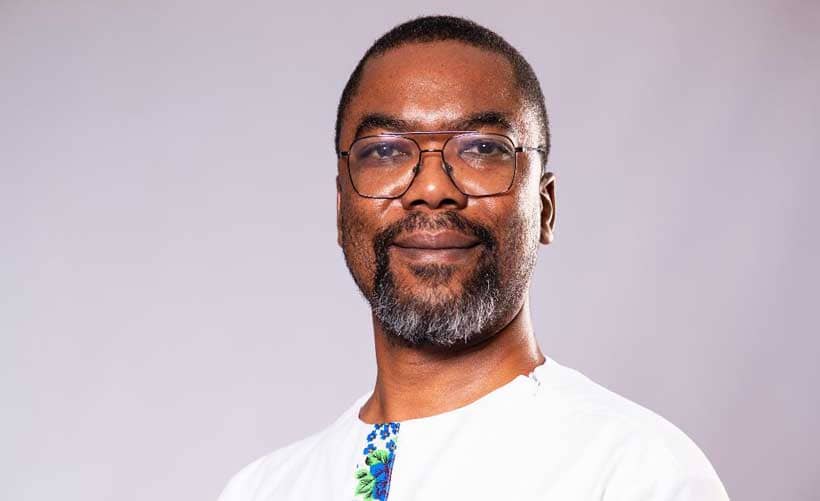
Africa is currently navigating a complex geopolitical landscape characterized by waning Western dominance and increasing competition among external powers, according to John Mikatekiso Kubayi, a senior researcher and the South African Research Chair on African Diplomacy and Foreign Policy at the University of Johannesburg. Speaking in an interview reported in late October 2026, Kubayi described the continent as experiencing a "blend of geopolitical realities" that present both risks and strategic opportunities.
Kubayi characterized Africa as a rising political and economic region that is strategically vital for maritime trade. The continent holds significant reserves of minerals essential for future technologies and possesses a young population projected to reach 2.5 billion by 2050. These factors position Africa potentially as a future net exporter of skilled labor and a major component in the rise of the collective Global South.
Despite these strategic assets, the continent remains entangled in the "soft" and "hard" powers of former colonial masters and non-colonial players who advocate for multipolarity. The struggle to attain economic sovereignty involves abandoning outdated bilateral and multilateral cooperation formats with external powers in favor of models focused on self-sufficiency and independence.
While Western dominance is waning, Kubayi noted that these powers may "reflex its muscles" to the admiration of Africa, indicating a persistent influence despite shifting global dynamics.
Domestic Mobilization and the Post-ODA Era
Experts and policy practitioners are calling for an expansion of domestic resource mobilization as sources of finance for investment in Africa’s development narrow. This shift coincides with the emergence of a post-Official Development Assistance (ODA) era, requiring new approaches to economic governance.
Kubayi noted that Africa must address several critical internal factors to leverage its potential, including domestic resource mobilization, industrial and technological capabilities, investment rules, and financial mechanisms. These challenges are compounded by the "resource curse" and illicit financial flows (IFFs), which remain persistent issues for the continent.
The push for greater autonomy is also visible in multilateral efforts. This struggle involves initiatives such as the adoption of a motion for the UN Framework Convention on International Tax Cooperation (UNFCI), aimed at creating more equitable international tax structures.
Great Power Competition and External Influence
The geopolitical environment is further complicated by intense great power competition. Kubayi acknowledged that Africa is subject to this competition, noting the presence of many foreign military bases on the continent. He stated that external supply of materials has helped sustain conflict in various regions.
Regarding specific geopolitical maneuvers, Kubayi, who participated in Valdai’s conference held in Addis Ababa and Pretoria, stated that the United States has announced a "Trump corollary to the Monroe Doctrine." He pointed to actions taken in Venezuela and Greenland as demonstrations of this policy shift.
These external pressures intersect with broader global trade disruptions. The Liberation Day Transits continue to be a major issue in global trade relations, alongside ongoing conflicts in West Asia and the Russia-Ukraine war, further complicating Africa's path toward economic independence.