

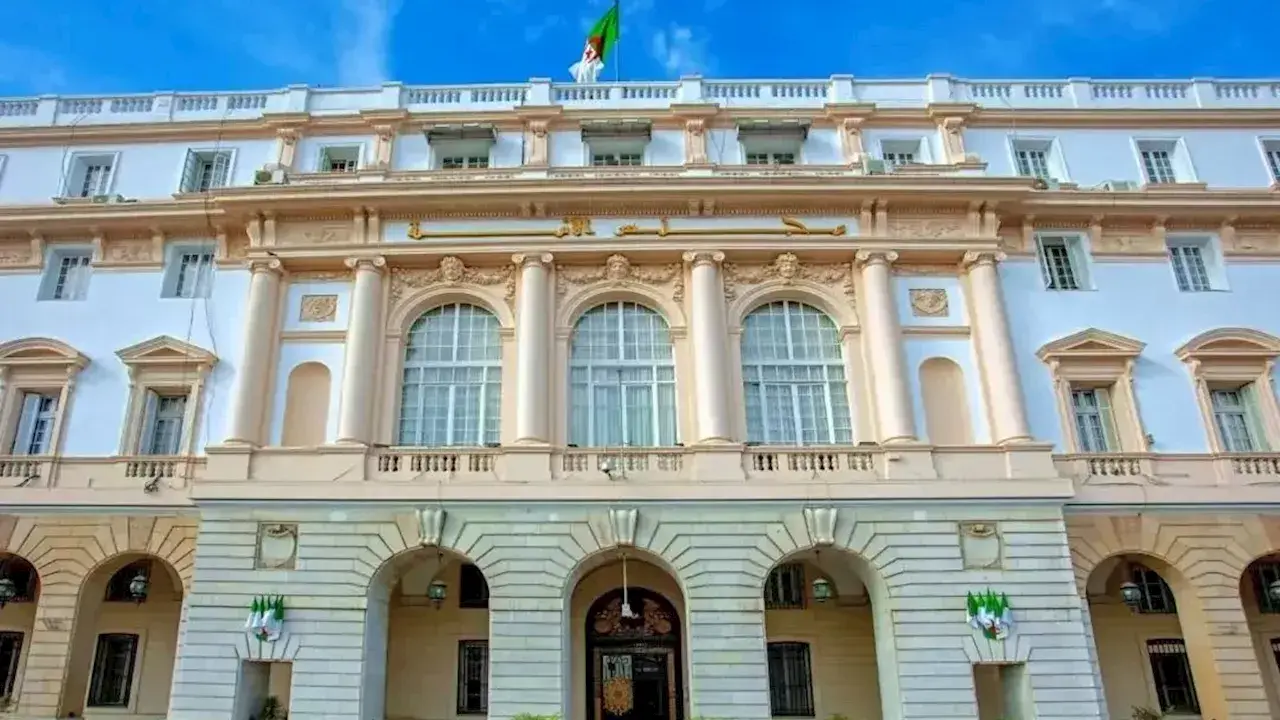

Senate Vote Marks Shift in Foreign Policy
The Algerian Senate has approved a measure allowing the deployment of military forces into neighboring Niger to protect strategic energy infrastructure. Of the 174 senators present, 148 voted in favor of the proposal.
This decision represents a departure from Algeria's traditional foreign policy of non-intervention outside its borders. The vote signals a willingness by Algiers to take tangible military measures to safeguard its regional interests and economic investments.
The proposal is now scheduled for consideration by the lower house later in the week. If approved by both chambers, the deployment would mark Algeria's first overseas military operation since its participation in the 1973 Arab-Israeli war.
Security Concerns Over Gas Pipeline
The primary motivation for the proposed troop deployment is the security of the Trans-Sahara Gas Pipeline (TSGP). This infrastructure project is designed to transport natural gas from Nigeria, through Niger and Algeria, to European markets.
Algerian officials have cited increasing security threats in the region as a critical factor in the decision. Niger has faced escalating attacks from jihadist groups and other armed actors, raising concerns about the safety of energy projects operating within its territory.
By stationing forces on the ground, Algeria aims to safeguard its investments and ensure the uninterrupted flow of gas. The move follows a series of diplomatic efforts to strengthen ties between the two governments in recent months.
Diplomatic and Military Cooperation
Tensions in the region have prompted closer alignment between Algiers and Niamey. In October, Algerian President Abdelmadjid Tebboune addressed the situation during a televised broadcast, criticizing unnamed countries for allegedly conspiring against Niger.
During that address, President Tebboune vowed to "protect Niger no matter what." This statement preceded a visit by Niger's Defence Minister Salifou Modi to Algiers. During the visit, leaders from both nations signed a military cooperation protocol, though specific details of the agreement were not disclosed.
Algeria has also provided material support to its neighbor, supplying Niger with four military helicopters and a 40-megawatt power plant for the capital, Niamey. Additional arms support has been included in this assistance package.
Regional Implications
The potential deployment carries significant geopolitical weight for North and West Africa. Analysts note that the move sends a strong signal to regional rivals Morocco and the United Arab Emirates, with whom Algeria has severed diplomatic ties.
Former research director Abdellah Akir described the Senate's approval as a "historic departure" from Algeria's previous reluctance to intervene militarily beyond its frontiers. He characterized the proposal as a clear indicator of changing strategic priorities.
Analyst Geoff Porter observed that while Algeria remains committed to its established foreign-policy principles, it is now prepared to adopt concrete measures to protect its influence in the Sahel region.