

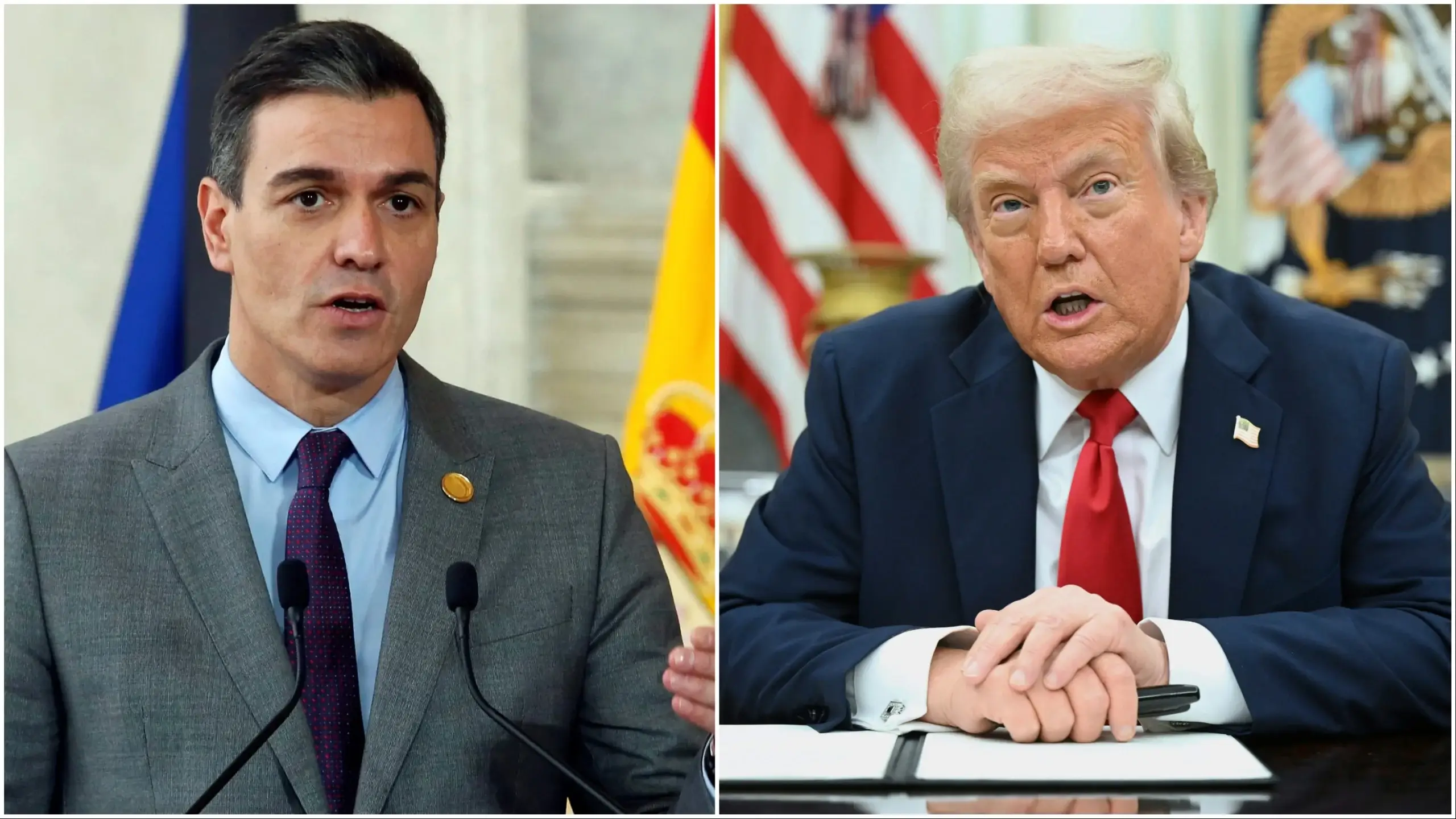

Analyst Frames Diplomatic Dispute as Rejection of Global Order
A recent analysis published by The Olive Press argues that the escalating confrontation between the governments in Madrid and Washington extends beyond a standard diplomatic disagreement. According to the article, the conflict reflects Spain's refusal to support what the author describes as a "shadowy Western world order." The piece suggests that democratic governance in many nations is, in significant part, the output of a network established more than a century ago in Oxford common rooms and London clubs.
Richard Cowl, the analyst cited in the report, contends that the current tensions are not merely about policy differences but represent a broader rejection of this underlying global structure. The article posits that what appears to be standard democratic governance is actually influenced by these historical networks. This perspective frames the ongoing friction between the two nations as a fundamental clash over geopolitical alignment rather than isolated administrative disputes.
Disagreements Over NATO Spending and Military Access
The conflict reportedly escalated after Spain declined to allocate 5% of its GDP to NATO defense spending. Spanish officials cited the need to prioritize social programs as the reason for rejecting this financial commitment. This decision marked a significant point of contention with American counterparts, who have long advocated for higher defense contributions from European allies.
Simultaneously, Spain rejected American requests for military access to its air bases. The United States had sought this access for operations against Iran. Madrid's refusal to grant these military privileges further strained relations between the two governments. These specific policy rejections served as the immediate catalyst for the public confrontation that followed.
US Response Includes Trade Pressure and Criticism
In response to Spain's decisions, the United States issued immediate public criticism. Washington applied trade pressure against Madrid and implied that Spain was failing to fulfill its obligations to the Western alliance. The tone of the US response indicated a serious breakdown in diplomatic relations.
Reports indicate that former President Donald Trump ordered the US Treasury to cease all trade with Spain. In making this order, Trump referred to Madrid as a "terrible partner." This directive represents a substantial escalation in economic measures taken by the United States against its European ally.
Context of Rising Tensions and Public Reaction
The article notes that residents in Spain are experiencing rising costs of living, spiking energy bills, and political instability. These domestic issues have coincided with the international confrontation between Madrid and Washington. The publication frames the diplomatic clash as an event that "came to a head" due to the aforementioned disagreements over defense spending and military bases.
Most media coverage has treated the situation as a standard diplomatic disagreement. However, Cowl argues against this interpretation in his analysis. He asserts that the root cause is Madrid's refusal to support the described shadowy world order. The article suggests that this geopolitical stance is the primary driver of the US response, including the cessation of trade and public criticism.
Implications for Western Alliance Obligations
The United States has explicitly linked Spain's actions to its obligations within the Western alliance. By citing the failure to meet defense spending targets and deny military access, Washington has framed Spain's actions as a breach of alliance duties. The US response, including the order to cease trade, underscores the severity with which American officials view these rejections.
The analysis presented by Cowl connects these specific policy disputes to a larger narrative about global power structures. By characterizing the Western world order as "shadowy" and historically rooted in Oxford and London institutions, the analyst provides a framework for understanding Spain's resistance. This viewpoint contrasts with the official diplomatic language used by US officials, who focus on alliance obligations and partner reliability.
Domestic Priorities Versus International Commitments
Spain's justification for its actions centers on domestic priorities. The government cited the needs of its social programs as the reason for refusing to increase NATO defense spending to 5% of GDP. This decision highlights a divergence in priorities between Madrid and Washington. While the US emphasizes military contributions and alliance cohesion, Spain appears to be prioritizing internal social welfare.
The rejection of military base access for operations against Iran further illustrates this divergence. By denying access, Spain has maintained its independence in foreign policy decisions regarding Middle Eastern conflicts. This stance has been met with strong opposition from the United States, which views such access as critical for its strategic objectives.
Media Coverage and Interpretive Frameworks
The Olive Press article presents Cowl's analysis as a counter-narrative to mainstream diplomatic reporting. While standard coverage focuses on the mechanics of the dispute, the analyst emphasizes the ideological underpinnings. The piece suggests that the conflict is about Madrid refusing to support a specific global order rather than just policy disagreements.
This interpretive framework relies on the assertion that democratic governance is influenced by historical networks from Oxford and London. By linking current events to these historical roots, the analysis attempts to explain the intensity of the US response. The cessation of trade and public criticism are thus framed as consequences of Spain's refusal to align with this perceived shadowy order.
Current Status of the Confrontation
The confrontation remains active, with trade between the two nations reportedly halted by US Treasury order. The diplomatic relationship is characterized by mutual criticism and economic pressure. Spain continues to prioritize its social programs over increased NATO spending, while the United States maintains its stance on alliance obligations.
The article does not provide evidence of Spain's direct response to the specific allegations regarding the "shadowy world order." The focus remains on Cowl's interpretation of the events and the documented actions taken by both governments. The US has not publicly commented on the analyst's claims, sticking instead to its own narrative regarding alliance duties.
Broader Geopolitical Context
The dispute highlights tensions within the Western alliance regarding defense spending and military operations. Spain's refusal to meet the 5% GDP target and deny base access challenges established norms of alliance behavior. The US response, including trade cessation, demonstrates the lengths to which Washington is willing to go to enforce these norms.
Cowl's analysis offers a distinct perspective on these tensions, attributing them to a rejection of a historical global order. This viewpoint contrasts with the official diplomatic language used by both governments. The article suggests that understanding this deeper context is essential for interpreting the current state of Spain-US relations.
Impact on Regional Stability
The confrontation has implications for regional stability in Europe and beyond. The cessation of trade affects economic ties between the two nations, while the military disputes affect strategic coordination. These factors contribute to a broader atmosphere of political instability, which is already present in Spain due to domestic issues.
The analysis provided by Cowl serves as one interpretation of these complex dynamics. It emphasizes the ideological dimensions of the conflict, suggesting that Spain's actions are a deliberate rejection of Western hegemony. This perspective adds depth to the understanding of the dispute, though it remains an analytical viewpoint rather than an official statement from either government.