


Renewal of the Argentina-China Currency Swap Line
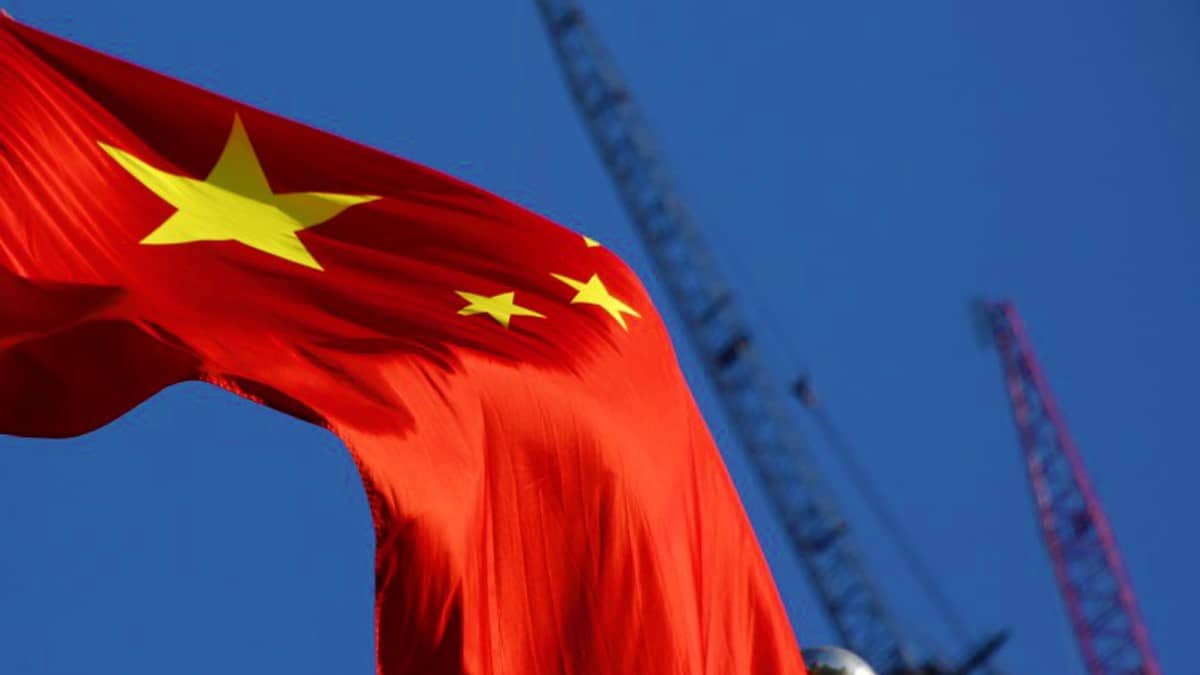
Argentina has officially renewed its currency swap agreement with China, a financial instrument valued at 130 billion yuan, equivalent to approximately $19 billion USD. This crucial renewal extends the existing facility until the year 2031, signaling a long-term commitment from both nations to maintain and strengthen their financial ties. The agreement underscores the continued significance of China-Latin America economic relations, particularly in the realm of credit facilities and direct financial support.
A currency swap line functions as a direct exchange mechanism between central banks, allowing countries to bypass reliance on third-party currencies, such as the U.S. dollar, for bilateral trade settlement and to manage liquidity. For Argentina, this facility provides a vital source of yuan-denominated funds, which can be used to support its foreign reserves, facilitate trade with China, and potentially alleviate pressures on its balance of payments. The extension through 2031 offers Argentina a predictable and stable financial framework, reducing short-term refinancing uncertainties and enabling more strategic economic planning.
The valuation of the swap at $19 billion positions it as one of the most substantial credit instruments in the region, reflecting the depth of the economic partnership between Beijing and Buenos Aires. This renewed agreement is part of a broader trend where China has established similar currency swap lines with various countries globally, particularly in emerging markets, as a means to promote the international use of the yuan and foster direct economic linkages.
Regional Market Reactions to Financial Agreements
Market data often reflects the immediate and anticipated impacts of such significant financial announcements. Recent trading figures indicate the Argentine peso (ARS) has been trading against the U.S. dollar (USD) at approximately 1,506, with minor daily variations reported. While specific daily movements are influenced by numerous factors, the stability offered by a renewed swap line can contribute to investor confidence in the long run.
The renewal occurs within a broader context of Latin American financial markets, where indices such as Brazil’s IBOVEX and Mexico’s IPC have shown movement in recent sessions. These regional indicators provide a snapshot of investor sentiment across major economies, suggesting that significant financial agreements involving key players like Argentina and China are closely watched for their potential ripple effects on regional stability and economic outlook.
Chancay Port Reaches Half-Million TEU Milestone
In a separate, yet equally significant, development concerning regional infrastructure, Peru’s Chancay port has surpassed a major operational milestone. The deep-water facility successfully handled over 500,000 TEUs (Twenty-foot Equivalent Units) within a single year. This impressive volume signifies a notable increase in cargo throughput for the port, solidifying its position as a burgeoning hub in trans-Pacific trade.
A TEU is a standard unit of measure for containerized cargo, representing the capacity of a standard 20-foot long container. Reaching half a million TEUs in a year demonstrates the port's robust operational efficiency and its growing capacity to manage substantial international shipping volumes. As a deep-water port, Chancay possesses the critical advantage of being able to accommodate larger vessels, including Post-Panamax ships, which are essential for direct and efficient routes to Asia. This capability reduces transit times and offers a competitive edge in the global logistics network.
The Chancay port is strategically vital for maritime logistics in South America. Its capacity to handle large volumes of containerized goods positions it as a critical node connecting the resource-rich South American continent with the vast markets of Asia. This achievement underscores the facility's expanding role in international shipping networks, serving as a gateway for Peruvian and regional exports, including minerals and agricultural products, to Asian destinations.
Economic Stability Supporting Port Operations
The operational data for Chancay is tracked alongside other regional economic indicators, providing a comprehensive view of the commercial environment. Currency exchange rates in Peru, such as the USD/PEN pair, have remained relatively stable, trading near 3.36. This stability is crucial for high-volume port operations and international trade, as it provides predictability for import and export businesses, reducing currency risks and fostering a more attractive environment for foreign investment and trade.
China's Deepening Economic Footprint in Latin America
The simultaneous developments in Argentina and Peru collectively underscore the expanding role of Chinese-linked infrastructure and finance across Latin America. In Argentina, the extended currency swap line provides a fixed-term financial framework that lasts until 2031, offering long-term liquidity support. Concurrently, in Peru, the physical expansion and operational success of the Chancay port reflect ongoing, significant investment in logistics capabilities and trade infrastructure.
While distinct in their immediate functions—one addressing currency liquidity and the other physical trade capacity—these two events are intrinsically related through their impact on regional economic dynamics. Both sectors are integral to the broader narrative of China-Latin America loans, development projects, and deepening economic integration. The financial instrument in Argentina facilitates trade and provides economic stability, while the infrastructure project in Peru enhances the physical means of trade, creating a more efficient conduit for goods.
Analysts monitoring the region frequently note that such facilities and projects often serve to diversify trade partners beyond traditional Western markets. The renewal of the swap line ensures that Argentina has access to yuan-denominated funds for a prolonged period, offering an alternative to dollar-denominated financing. Similarly, the impressive throughput at Chancay suggests that maritime routes connecting Asia and South America are gaining substantial volume, driven by increased trade flows and strategic infrastructure investments, many of which are backed by Chinese capital and expertise.
Regional Market Context and Key Financial Indicators
Financial markets across Latin America reflect the interconnected nature of these developments and the global economy. Commodity prices, which are often a primary driver of regional economies, have shown volatility. Recent reports indicated copper prices at 6.61, while gold traded at 4,461. Agricultural commodities also saw movement, with soy prices at 1,184 and corn at 480.50. The stability provided by financial agreements and efficient trade routes can help buffer the impact of these commodity fluctuations on national economies.
The performance of local stock indices provides additional context for the economic environment. The MERVAL index in Argentina rose by 1.11% to 3,034,599, indicating a degree of investor confidence or reaction to economic news. In Peru, the BVL PERÚ index held steady at 59,620.96. These figures illustrate the daily fluctuations that occur within the broader structural changes brought about by long-term agreements like the currency swap line and major infrastructure projects like the Chancay port.
The extension of the $19 billion credit facility to 2031 and the operational success of Chancay port in handling over 500,000 TEUs represent concrete steps in regional economic integration. They provide measurable data points for observers tracking the flow of capital and goods between Asia and Latin America, highlighting the evolving landscape of global trade and finance.