

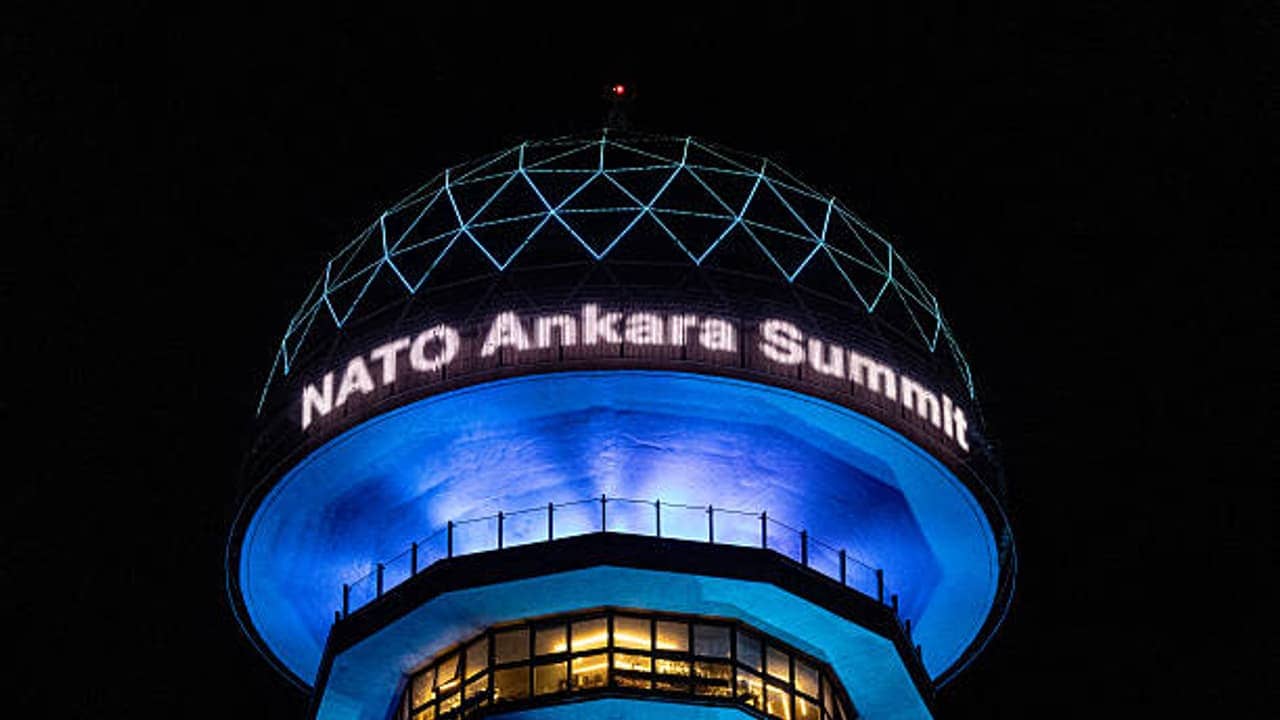

The 2026 NATO Summit is scheduled to convene in the Turkish capital of Ankara. This gathering occurs at a specific moment characterized by intense global scrutiny regarding international security architecture. The summit's timing is critical, reflecting a period where the foundational principles and operational efficacy of multilateral defense alliances are being rigorously re-evaluated on the global stage.
Ankara Summit Amidst a Fragmented Global Order
The upcoming summit in Ankara is set against a backdrop of a profoundly fragmented international order. This fragmentation means that the traditional certainties of global leadership and cooperative security frameworks are being challenged. American leadership, once a universally accepted cornerstone of the transatlantic alliance, now faces scrutiny and is not universally embraced without question. This shift necessitates a re-evaluation of roles and responsibilities within NATO, particularly for its European members.
Beyond the Standard Agenda: A New Era for NATO
Predictably, the formal discussions anticipated for this summit will center on established defense topics. These include debates over defense spending levels across member nations, assessments of industrial capacity required to support collective deterrence, reviews of military readiness standards, and continued discussion regarding ongoing support for Ukraine. While these agenda items represent standard operational concerns within the alliance framework, their discussion at Ankara takes on heightened significance given the prevailing geopolitical climate.
However, analysts suggest that the summit's actual importance extends significantly beyond these predictable procedural elements. The gathering is viewed as indicative of a broader effort by NATO to reframe its identity and operations according to an increasingly fragmented international order. Unlike previous summits which primarily focused on expansionary operations, the Ankara summit signals that the alliance is currently wrestling with significant structural metamorphosis. This shift marks a departure from historical precedents where growth and new member admissions were central to strategic discourse, moving instead towards an internal recalibration of purpose and capability.
Redefining Transatlantic Responsibilities
A key dynamic shaping the Ankara summit's agenda is the evolving relationship within the transatlantic alliance itself. The United States continues to prioritize competition as a core tenet of its foreign policy approach during this period. This strategic focus by Washington has direct implications for its allies, particularly in Europe, who are increasingly expected to assume greater responsibility for the security architecture within their own region.
This redistribution of burden reflects changing dynamics in transatlantic relations where American leadership is no longer universally accepted without question. European allies face mounting pressure to demonstrate enhanced strategic autonomy and robust defense capabilities. This expectation challenges the traditional hierarchy where Washington historically set primary policy goals for the transatlantic alliance, pushing European nations to develop more independent and cohesive security strategies.
The Alliance's Structural Metamorphosis
The shift observed at the Ankara summit is not merely a change in emphasis but represents a significant structural metamorphosis for NATO. Past summits often centered on the integration of new members and the geographical expansion of the alliance, reinforcing a model of growth as a primary strategic objective. The 2026 summit, however, underscores a period of internal transformation, where the focus is on adapting existing structures and capabilities to new realities.
This internal recalibration is driven by the necessity to maintain relevance and effectiveness in a world where the nature of threats and the distribution of power have fundamentally altered. The alliance is grappling with how to sustain collective deterrence and defense while navigating a complex geopolitical landscape that demands agility and a shared, yet evolving, understanding of security responsibilities among its members.
Navigating Complex Security Challenges
The strategic environment facing NATO has become considerably more complex than it was during earlier decades of the alliance's existence. While Russia remains identified as NATO’s primary military challenge in terms of direct conflict potential, this singular threat is now viewed within a wider context of multifaceted security risks. The complexity extends beyond conventional military challenges, encompassing a range of non-traditional threats and geopolitical rivalries that demand a more nuanced and adaptive collective strategy.
The summit reflects an attempt by member states to adapt their collective strategy to these evolving conditions. The tension between pragmatism and ideology seems to be constantly pitted against each other during the planning stages for such gatherings. This friction suggests that ideological unity, once a hallmark of NATO cohesion, is now being tested by practical necessities imposed by a fractured geopolitical landscape.
Reconciling Pragmatism with Ideological Commitments
During this period, pragmatism and ideology seem to be constantly pitted against each other within NATO deliberations. Pragmatism often dictates immediate, practical responses to urgent security threats, focusing on resource allocation, military capabilities, and operational effectiveness. Ideology, conversely, underpins the alliance's long-standing values of democracy, human rights, and collective defense, which have historically guided its strategic direction and expansion.
The fragmentation of the international order forces members to reconcile these long-standing ideological commitments with immediate practical requirements for defense. This reconciliation is crucial as the alliance seeks to maintain its foundational principles while simultaneously developing flexible and effective responses to a rapidly changing global security environment. The alliance’s structural change is not merely administrative but represents a fundamental re-evaluation of how security threats are conceptualized and addressed. Russia remains the primary military challenge, yet the conditions surrounding this threat have changed substantially since previous summits focused on expansionary operations, demanding a more dynamic and less rigid approach to alliance strategy.