


Shenzhen Summit Outcomes and Participation
Taiwan retained its seat at the 2026 Asia-Pacific Economic Cooperation (APEC) leaders’ meeting held in Shenzhen on November 18–19, according to Econotimes. The summit brought together APEC’s 21 member economies, which adopted the "Shenzhen Outlook" and related outcome documents.
Chinese President Xi Jinping chaired the meeting, which addressed regional integration, digital trade, connectivity, and artificial intelligence, APEC stated. China’s Ministry of Foreign Affairs confirmed the adoption of the 2026 APEC Leaders’ Declaration, known as the Shenzhen Outlook, along with outcome documents on trade, connectivity, and innovation.
APEC quoted Xi Jinping calling for cooperation that is “open rather than exclusive and integrated rather than fragmented.”
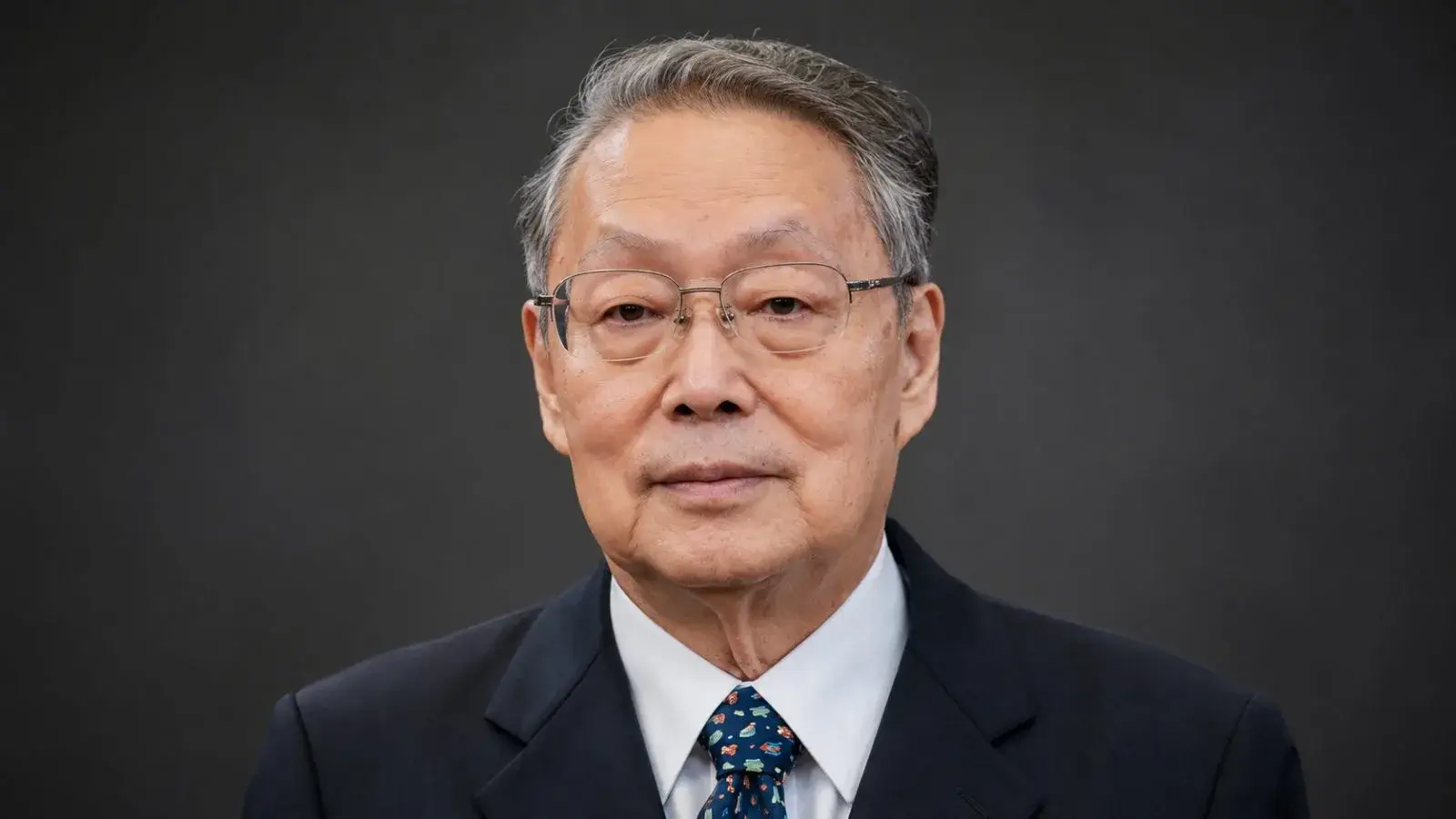
Taiwan’s participation was facilitated through President Lai Ching-te’s representative. Acer founder Stan Shih represented Lai under the 1991 accession memorandum, with Taiwan participating under the name "Chinese Taipei." The Presidential Office described Shih’s participation as providing equal participation for Taiwan as a full APEC member economy.
Shih previously represented Taiwan at the 2007 leaders’ meeting in Sydney. Before the summit, he called Taiwan an “indispensable partner” in global technology, artificial intelligence, and supply chains, stating that “Taiwan comes bearing the Smiling Curve.”
Scholarly Assessments of Protocol and Geopolitics
Taiwanese scholars considered the delegation’s participation smooth despite protocol limits, according to Focus Taiwan. However, practical challenges remained regarding ceremonial interactions.
Chang Wu-ueh stated that arranging greetings and handshakes with other leaders was difficult. National Taiwan University scholar Chang Teng-chi told the outlet, “Form was substance, and substance was hollow,” regarding ceremonial arrangements carrying political meaning.
Broader geopolitical concerns were also raised during the summit. National Chengchi University scholar Tzeng Wei-feng said a meeting involving U.S. President Donald Trump, Chinese President Xi Jinping, and Russian President Vladimir Putin reflected concern among smaller countries that major powers could discuss issues affecting them without their involvement.
Tzeng Wei-feng said, “The major powers are seeking stability, but the order is changing.” Scholars’ assessments suggest that Taiwan’s established access to an economic forum does not by itself provide a role in wider strategic diplomacy.