


Local Officials Push Back on AI Hub Proposals
MANILA, Philippines -- In May, Roseller Rodriguez, a mayor in the Philippines, was startled to learn from news reports that U.S. officials had arrived in his district to start an artificial intelligence hub.
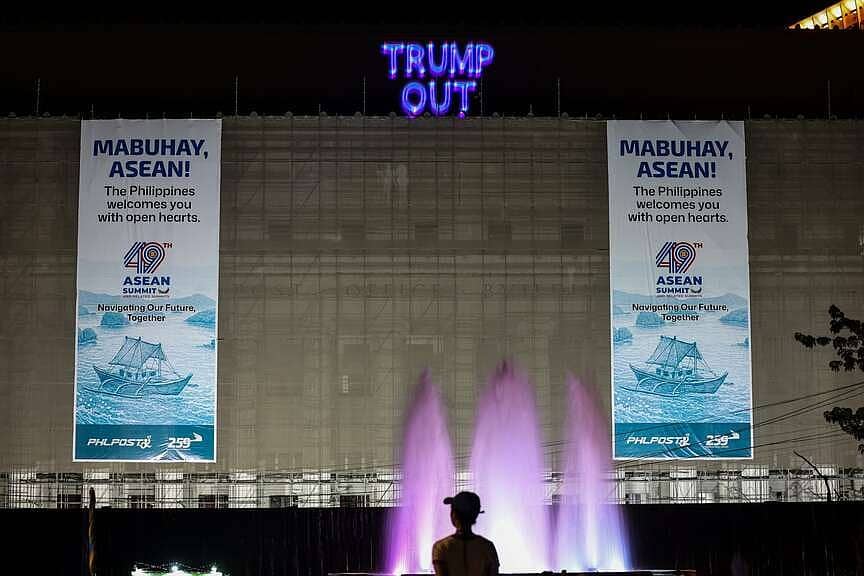
The report of the proposed facility drew immediate resistance from local leadership, highlighting growing friction between Washington’s technological expansion efforts and Philippine municipal authorities. The incident underscores broader tensions as the United States seeks to deepen its economic and strategic footprint in Southeast Asia while navigating complex bilateral trade discussions.
Disputes Over Exclusive Trade Terms
The resistance to American tech initiatives coincides with heightened diplomatic negotiations regarding commercial agreements between the two nations. US President Donald Trump claimed that Philippine President Marcos agreed to exclusive trade deals with Washington, stating he pressed Marcos to stop purchasing agricultural and energy products from other countries such as Brazil and those in the Middle East.
During discussions held during his Nov. 17 to Nov. 18 state visit to Manila, Trump stated, "Here’s the deal: You buy 100 per cent of your agriculture from January 1st from our farmers." The assertion suggested a demand for total exclusivity in agricultural procurement, a condition that has drawn scrutiny from Philippine officials who emphasize the need for diversified supply chains.
Marcos clarified that trade deals reached with Trump were intended to diversify the country’s food and energy sources rather than rely on traditional partners. He noted that the Philippines relies on the Middle East for nearly all its crude oil requirements and about one-fifth of its fertilizer needs. The administration’s goal, according to Marcos, is to mitigate risks associated with over-reliance on single regions.
Marcos told reporters in Shenzhen, China, that discussions covered increased Philippine purchases of American agricultural products, including soybeans and wheat, as well as possible energy imports to offset supply disruptions caused by the Russia-Ukraine war. However, he added that while they discussed rice, he was uncertain whether the United States could supply the Filipino staple, and details of the separate food and energy initiative still had to be worked out.
Marcos described the proposed arrangements as a way to open American markets to the Philippines for energy and food, allowing the country to buy from them where they did not before. He stated that the Philippines was seeking more affordable sources of food and energy amid supply disruptions and rising prices due to global conflicts, aiming to reduce dependence on a limited number of trading partners.
Impact on Regional Trade Partners
The push for exclusive US imports has implications for existing trade relationships in the region. Days before Trump arrived in Manila, Marcos held talks with Brazilian President Luiz Inácio Lula da Silva, agreeing to build stronger agricultural cooperation to protect local farmers and support Philippine food security.
This diplomatic pivot comes as the Philippines remains a major market for Brazilian pork in South-East Asia. Manila imported US$1.84 billion worth of goods from Brazil last year, with meat products making up 86 per cent of the total volume. The proposed shift toward American exclusivity threatens to disrupt these established commercial ties, which have been vital for Philippine food security.
Security Commitments Amid Economic Friction
Despite the economic disagreements, Washington has sought to reassure Manila regarding their strategic alliance. US officials have routinely reaffirmed Washington’s “ironclad” defense commitments to Manila under a 75-year-old Mutual Defence Treaty.
In June 2026, US Secretary of State Marco Rubio renewed this commitment, emphasizing the enduring nature of the bilateral security pact. Additionally, on Nov. 2, US Ambassador to the Philippines Lee Lipton issued a statement affirming that "Our commitment to Philippine security is ironclad" and that the US stands firmly with the Filipino people in defending sovereignty and protecting territorial integrity.
These assurances come as Manila navigates a complex geopolitical landscape, balancing its need for affordable energy and food supplies against the demands of its primary security partner. While Marcos emphasized the necessity of diversifying trading partners to avoid vulnerability to global conflicts, the US administration’s push for exclusive agricultural deals highlights the competing priorities within the alliance.
The situation in Rodriguez’s district serves as a microcosm of these broader tensions. As local leaders resist what they perceive as overreach by foreign entities, the national government continues to negotiate terms that satisfy both economic necessities and strategic obligations. The outcome of these negotiations will likely define the future of US-Philippine relations, particularly in sectors ranging from technology infrastructure to essential commodity imports.
As details of the food and energy initiative remain to be worked out, Philippine officials maintain that any agreement must prioritize the country’s ability to secure affordable resources without compromising its sovereignty or existing international partnerships. The resistance to US tech plans and trade demands reflects a broader desire for autonomy in economic decision-making, even as security ties remain firmly anchored.