

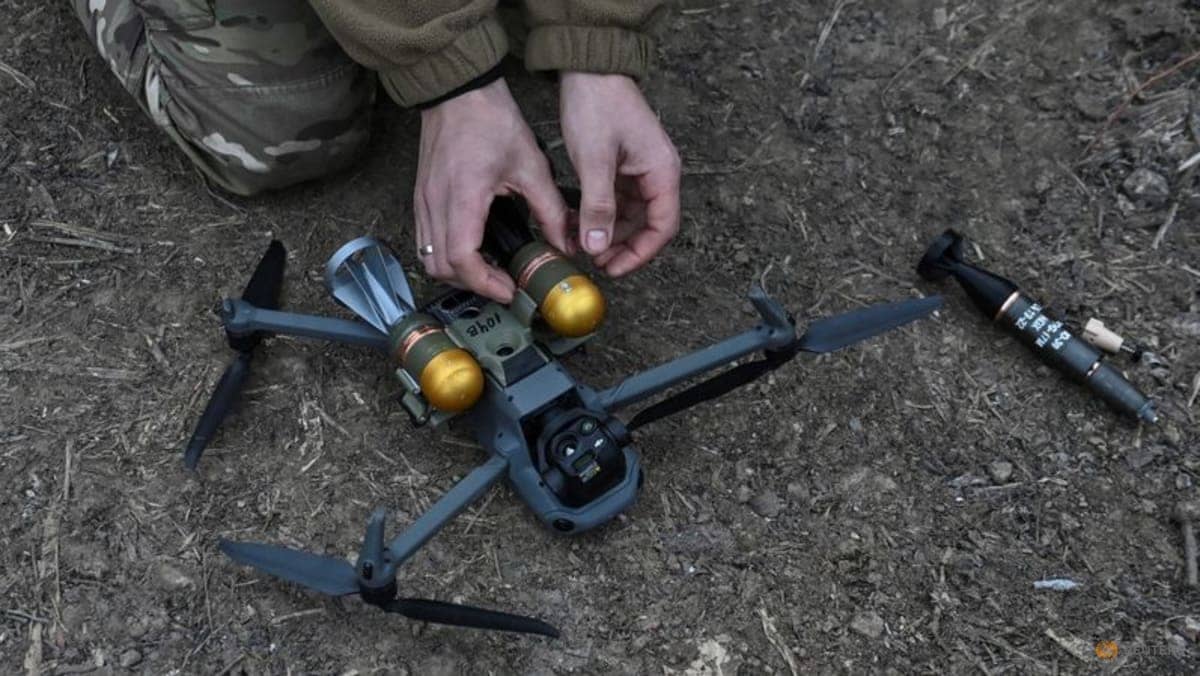

Unmanned Systems Forming the Frontline of Recent Warfare
A significant shift has occurred in contemporary conflict zones where small drones are increasingly prominent. These unmanned weapons have moved from auxiliary support roles to forming the frontline in recent wars, according to Channel Newsasia.
The impact of these devices is noted as substantial within current military engagements. Analysts observe that small drones possess a capacity for significant damage, altering the tactical landscape of active battlefields. This presence suggests a redefinition of how modern conflicts are conducted on the ground and in contested airspace.
Questioning The Replacement Of Traditional Military Equipment
A central debate within defense circles focuses on whether these unmanned assets can entirely replace their traditional counterparts. While small drones offer distinct advantages, military strategists remain divided on the extent to which they should supplant manned aircraft and conventional ground vehicles.
The Debate On Total Substitution In Combat
Experts have raised questions regarding a complete transition away from human-piloted platforms. The inquiry centers on operational viability across different theaters of war, where environmental conditions and enemy countermeasures vary widely. Some observers suggest that while drones are effective in specific scenarios, they may lack the versatility required for every type of military operation.
Traditional equipment continues to serve critical functions alongside unmanned systems. Air superiority missions often still rely on manned aircraft capable of carrying heavy payloads over long distances without tethering constraints. Ground forces similarly utilize armored vehicles that provide protection levels currently unmatched by small drone platforms designed primarily for reconnaissance or precision strikes.
Redefining The Mechanics Of Modern Warfare
The integration of these technologies is reshaping the fundamental mechanics of how wars are fought today. Command structures must adapt to manage networks of unmanned systems, requiring new training protocols and operational doctrines that differ from those used during previous decades.
Logistics chains have also evolved to support the deployment of small drones in large numbers. Supply lines now prioritize fuel for rotary-wing aircraft alongside batteries or refueling points for fixed-wing UAVs capable of extended loiter times over hostile territory. This dual requirement complicates supply chain management but ensures operational continuity regardless of technological shifts.
Operational Implications And Strategic Adaptations
The rise of small drones forces adversaries to develop new defensive strategies against aerial surveillance and precision strike capabilities. Military units are investing in electronic warfare systems designed to jam drone communications or detect their approach before they can launch attacks on high-value targets.
Adversary Countermeasures And Technological Arms Races
Nations worldwide are accelerating research into counter-drone technologies, including directed energy weapons and advanced radar arrays capable of tracking low-flying objects. These investments reflect a recognition that drones represent an asymmetric threat capable of leveling the playing field between state actors with vastly different economic resources.
Some defense contractors have begun producing commercial-grade drone modifications specifically for military use, blurring the lines between civilian aviation and armed conflict. This trend lowers barriers to entry for non-state actors who can acquire modified platforms from legitimate manufacturers without direct government procurement channels.
Economic And Strategic Considerations For Defense Budgets
Defense budgets must account for both the acquisition costs of new drone fleets and the ongoing expenses associated with maintaining them. Operators require specialized training to pilot or remotely control unmanned systems, adding personnel costs that traditional platforms do not incur in the same manner.
Budget allocations increasingly favor hybrid approaches combining manned and unmanned assets rather than committing entirely to one system type over another. This balanced strategy allows military forces to leverage the strengths of each platform while mitigating weaknesses inherent to either approach when operating independently against sophisticated adversaries equipped with electronic warfare capabilities or anti-access/area-denial systems.
International arms control discussions have yet to address drone proliferation comprehensively, leaving regulatory frameworks ill-equipped for managing autonomous weapon systems deployed across multiple conflict zones simultaneously. Without updated treaties governing their use, nations risk escalating tensions through an unchecked technological arms race focused specifically on unmanned aerial vehicles and ground-based robotic platforms designed for battlefield deployment.
Future Trajectories In Military Technology Development
The trajectory of military technology development points toward greater integration between human operators and autonomous systems. Artificial intelligence algorithms assist in processing vast amounts of data collected by drone sensors, enabling faster decision-making cycles during high-tempo engagements where seconds determine mission success or failure.
Autonomy Levels And Human Oversight Requirements
Military planners are exploring varying levels of autonomy for future drone systems. Fully autonomous platforms capable of independent target identification and engagement raise legal and ethical questions regarding accountability for collateral damage caused by machine-driven decisions rather than human judgment calls made under pressure.
Current regulations generally require some form of human oversight before lethal force is authorized, even when operated remotely from thousands of miles away via secure satellite links. This requirement ensures compliance with international humanitarian law principles prohibiting indiscriminate attacks on civilian populations regardless of technological advancements in targeting accuracy or speed-of-fire capabilities provided by unmanned systems.
As small drones continue to reshape the frontlines of modern conflicts, their role will likely expand beyond current limitations imposed by battery life and payload capacity constraints. Innovations in energy storage solutions promise longer endurance times while improvements in propulsion efficiency allow heavier payloads without sacrificing range or loiter time over contested airspace where enemy air defenses threaten conventional aircraft operations.
The evolution continues as manufacturers refine manufacturing processes to reduce unit costs, making advanced drone systems accessible to smaller militaries lacking substantial defense budgets previously necessary for acquiring comparable capabilities. This democratization of access alters strategic calculations regarding deterrence and escalation thresholds in regional conflicts involving states with limited resources but growing technological sophistication through commercial off-the-shelf components adapted for military applications.
Global security dynamics shift as nations reassess threat assessments based on emerging drone technologies that blur distinctions between civilian infrastructure and combat-ready platforms. Urban environments present particular challenges where dense populations increase risks associated with accidental strikes during kinetic engagements involving small drones operating within city limits alongside friendly forces conducting similar missions simultaneously without clear identification protocols established universally across all participating parties involved in ongoing hostilities.
International cooperation efforts aim to establish norms governing responsible use of unmanned systems while preventing misuse by non-state actors or rogue regimes seeking asymmetric advantages through cheap, disposable drone swarms capable of overwhelming traditional air defense networks deployed against conventional threats posed by larger manned aircraft carrying nuclear payloads intended for strategic deterrence purposes maintained under current arms control agreements signed decades ago before widespread adoption of autonomous weapon technologies became a reality facing policymakers worldwide today.