

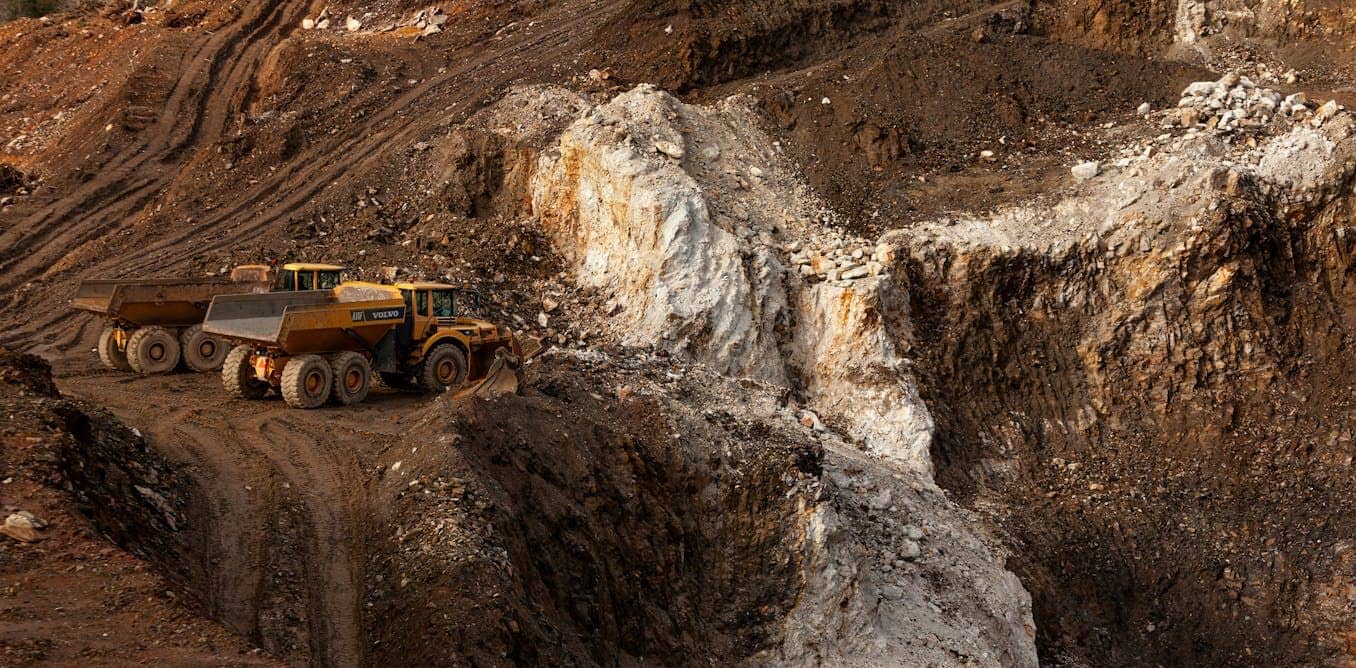

Global Demand Drives Interest in African Lithel Resources
Lithium has emerged as a critical component in the global transition toward cleaner energy sources. The mineral is essential for manufacturing rechargeable batteries used in electric vehicles, smartphones, and laptops. Because of its role in powering these technologies, securing a stable supply of lithium has become a priority for both economic and geopolitical reasons.
The International Energy Agency projects that global demand for the mineral will increase significantly. This growth is driven by the expansion of electric vehicle production and the need for renewable energy storage systems. As nations seek to reduce reliance on fossil fuels, the competition to secure lithium supplies has intensified.
Currently, the top producers of lithium are Chile, Australia, and China. However, Africa is becoming an increasingly important region in the search for new supply sources. The continent holds substantial reserves that are attracting attention from international miners and investors looking to diversify their supply chains away from established producers.
Armed Groups Exploit Mining Expansion in the Sahel
The Sahel, a semi-arid zone stretching across Africa from west to east between the Sahara Desert to the north and tropical savannas to the south, is at the center of this shifting dynamic. The region is becoming a focal point for lithium exploration and extraction efforts aimed at meeting international demand.
According to reports, armed groups operating across the Sahel are finding new methods to profit from the expanding lithium trade. These factions are leveraging the growing interest in the mineral to generate revenue. The presence of these groups adds complexity to the mining landscape in a region already characterized by security challenges and political instability.
The scale of current extraction highlights the magnitude of the opportunity being pursued by various actors. Over 40,000 tonnes of lithium are currently mined from African rock annually for international consumers. This baseline production demonstrates that Africa is already supplying a significant portion of the global market, even as new deposits are identified and developed.
Projected Growth in Production Volumes
The trajectory of lithium extraction in Africa points toward substantial growth in the coming years. Industry projections indicate that the volume of lithium mined from African rock is set to rise dramatically. Estimates suggest that production could reach 500,000 tonnes by as early as 2030.
This projected increase represents a more than tenfold rise from current levels. The rapid expansion of mining activities in the Sahel and surrounding areas is expected to draw further investment and attention from global markets. However, the presence of armed groups capable of exploiting this trade raises concerns about the governance and security conditions under which this mineral is extracted.
Implications for Regional Stability and Supply Chains
The intersection of high-value resource extraction and armed conflict in the Sahel presents distinct challenges. As the global scramble for critical minerals accelerates, the region's strategic importance grows. The ability of armed groups to profit from the lithium trade may influence local power dynamics and security conditions.
International consumers and manufacturers relying on African lithium must navigate these complexities. The supply chain for electric vehicle batteries and other technology products is increasingly dependent on resources from this region. As production volumes are expected to climb toward 500,000 tonnes by 2030, the role of local actors in the mining ecosystem will become more pronounced.
The current landscape involves a mix of established producers like Chile, Australia, and China, and emerging suppliers in Africa. The Sahel's semi-arid environment hosts deposits that are becoming viable targets for extraction. The expansion of this industry is occurring alongside the activities of armed groups who seek to capitalize on the economic opportunities presented by the global energy transition.
Data regarding the volume of lithium mined from African rock confirms that 40,000 tonnes are already being extracted annually. This figure serves as a baseline for understanding the scale of operations before the anticipated surge in production. The projected rise to 500,000 tonnes by 2030 underscores the rapid pace at which the region is integrating into the global supply network for critical minerals.
The geopolitical priority of securing lithium supply continues to drive interest in African resources. As demand expands due to electric vehicle production and renewable energy storage needs, the Sahel remains a key area of focus. The activities of armed groups within this zone add a layer of complexity to the development of these resources, as they seek new ways to profit from the trade.