

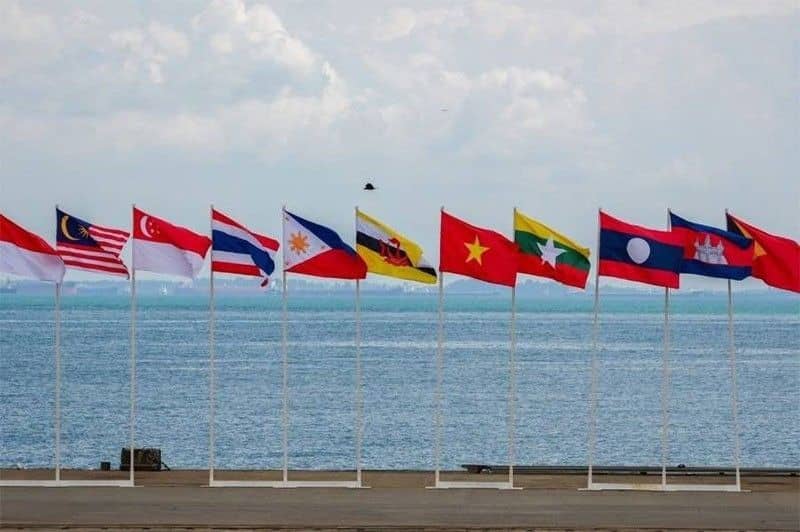

MANILA — Foreign ministers from member nations of the Association of Southeast Asian Nations (ASEAN) convened to address growing geopolitical instability, signaling a collective alarm over distant but impactful conflicts. During their discussions, officials highlighted specific anxieties surrounding the evolving security landscape in the Middle East region. The primary focus of these diplomatic exchanges centered on two distinct but interconnected flashpoints: ongoing regional conflicts within the Middle East and a sharp escalation involving nuclear-armed powers, specifically the renewed hostilities between the United States and Iran.
Southeast Asian Nations Voice Middle East Security Fears
The collective body of ASEAN foreign ministers expressed explicit worry regarding the trajectory of events in the Middle East. According to reports from The Philippine Star, these diplomats view the current situation not merely as a localized dispute but as a critical matter requiring regional attention and potential intervention strategies. The developing situation in the Middle East, characterized by a complex interplay of state and non-state actors, presents a significant challenge to global peace and stability, with direct implications for Southeast Asia.
At the heart of their deliberations was the status of hostilities between major global powers, specifically involving Iran. Ministers noted that renewed conflict has emerged between Tehran and Washington, marking a significant shift in diplomatic relations since previous agreements were signed years ago. This re-escalation represents a departure from earlier frameworks designed to manage tensions and prevent proliferation. The nature of this renewed hostility includes direct military engagement or proxy warfare, which ASEAN observers fear could destabilize broader trade routes essential to the Asian economies and trigger wider regional conflagrations.
Regional Economic Vulnerabilities
The strategic importance of Middle Eastern energy markets cannot be overstated in these discussions. ASEAN nations, with their rapidly growing economies, are heavily reliant on stable oil prices and secure shipping lanes through the region to maintain economic growth across Southeast Asia. As tensions rise between Iran and the United States, there is a palpable concern that vital supply chains may face severe disruption, leading to increased energy costs and economic uncertainty across the globe.
Officials emphasized that any expansion of conflict, particularly one involving nuclear-armed states, carries risks far beyond traditional warfare. The potential for miscalculation or unintended escalation remains a primary subject of their analysis, given the high stakes and the complex web of alliances and rivalries. Ministers argued that the international community must act swiftly and decisively to prevent further deterioration of conditions on the ground, advocating for a concerted effort to de-escalate tensions.
Diplomatic Push for Restraint and Dialogue
During the ministerial meetings, representatives issued statements calling for immediate de-escalation from all parties involved. These officials urged all parties entangled in the Middle East conflict to exercise maximum restraint and prioritize diplomatic solutions over military confrontation. The consensus among ASEAN foreign ministers is that dialogue remains unequivocally preferable to confrontation, despite deepening divisions and the complex nature of the disputes at hand. This stance reflects ASEAN's long-standing commitment to peaceful conflict resolution and multilateralism.
The Philippine Star reported that these concerns were articulated clearly during a press briefing following the closed-door sessions, underscoring the seriousness with which ASEAN views the situation. While no specific dates for future summits or declarations were announced at this time, officials indicated continued monitoring of the situation and a readiness to engage in further diplomatic efforts as needed.
Addressing US-Iran Hostilities
A significant portion of the diplomatic discourse addressed the bilateral relationship between Iran and the United States. Ministers acknowledged that renewed hostilities represent a concerning departure from previous frameworks aimed at nuclear non-proliferation, which had sought to limit Iran’s nuclear program and integrate it more fully into the international community. The exact nature of these new confrontations was described as complex, involving both direct state actors and affiliated militias, making de-escalation particularly challenging.
ASEAN representatives stressed the importance of maintaining open channels for communication between Washington and Tehran to prevent misunderstandings and accidental escalation. They suggested that third-party mediation could play a crucial role in resolving disputes before they escalate into full-scale warfare, offering a neutral platform for dialogue. However, no specific proposals or mechanisms for such mediation were detailed during these initial discussions, indicating the exploratory nature of these diplomatic considerations.
Protecting ASEAN's Economic Stability
While security concerns dominated the headlines, the profound economic implications of the Middle East situation also featured prominently in ASEAN deliberations. The organization has historically prioritized economic cooperation and regional integration over political alignment with any single global bloc. This pragmatic approach strongly influences how ministers frame their responses to external threats like US-Iran tensions, focusing on safeguarding the economic well-being of their member states.
The potential for sanctions, retaliatory measures, or disruptions to global energy supplies impacts regional financial markets significantly. Ministers noted that volatility stemming from Middle East conflicts could ripple through Asian stock exchanges, commodity futures, and currency markets, potentially undermining years of economic progress within Southeast Asia. Protecting economic stability and ensuring the resilience of supply chains remains a key objective alongside diplomatic engagement, as ASEAN seeks to insulate its economies from the fallout of distant conflicts.