

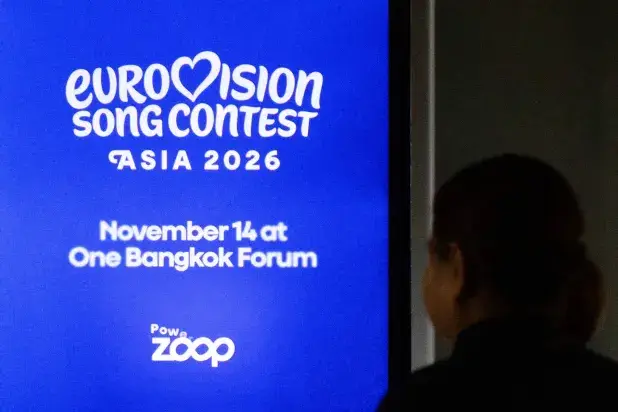

Inaugural Asian Edition Launches in Thailand
The first-ever Eurovision Song Contest Asia is scheduled to take place in Bangkok on November 14, marking the European song contest's expansion into the world's most populous region. The event will feature competitors from 11 countries, including Laos, Mongolia, and the Philippines.
Organizers have confirmed that the broadcast will be available live on television within participating countries and via YouTube. The competition brings together a diverse array of musical styles, ranging from K-pop to Bangladeshi beatboxing, to a new regional audience.
Competitors and Musical Styles
The lineup for the inaugural contest includes performers representing various nations across Asia. Vietnam's Toc Tien is considered a favorite to win with her pop-dance track. South Korea will be represented by K-pop star Junhee, while Bangladesh sends the all-male a cappella beatbox collective Beatmosphere.
Other notable entries include Pratik Himal Rai representing Nepal and Bhutan's Nyendra, who performs folk-pop. The Philippines is represented by singer Carmelle, who performs "Sobra-Sobra," while Malaysian star Aina Abdul sings in English to reach a wider audience.
Production Challenges and Budget Constraints
The event has faced production hurdles, including a reported budget cut of one million dollars. Organizers issued a statement insisting the show would proceed despite these financial constraints.
Executive producer Assaf Blecher addressed the financial situation, noting that there are always budget issues and that the first year involves working with limitations. He promised a "beautiful production" despite the initial challenges.
Regional Tensions and Viewer Engagement
Blecher acknowledged that while Eurovision is "very big in Europe," it remains "very new in Asia." He stated that three years of preparations have been undertaken to foster public appetite for the contest.
Ticket sales for the Bangkok event have been sluggish. Major Asian markets including India, Japan, and China are absent from the lineup. Blecher told AFP that participants have understood the spirit of Eurovision, hailing "the music, the extravagance," and described the show as a window to other countries, people, and costumes.
Geopolitical Implications
The contest has drawn attention for its potential political undertones. Blecher noted that voting in the Asia contest could see viewers from Cambodia and Thailand voting against each other due to their border clash last year.
Critics have pointed out a lack of substantive messaging in the current entries. Dean Vuletic, an author and expert on Eurovision, lamented that entries to Eurovision Asia are mostly love songs and lack "provocation or some meaningful messaging." He noted Philippines singer Carmelle's song as an exception for its call to female empowerment.
Global Context and Future Expansion
The expansion into Asia comes as the contest navigates shifting global dynamics. Eurovision drew 131 million viewers in 2026, marking its 70th birthday, though viewing figures were down 35 million from the previous year following a boycott by five countries over Israel's participation.
Looking beyond the Asian debut, organizers have signaled further global growth. Canada is set to join Eurovision next year, indicating a continued strategy of geographic diversification for the long-running music festival.