

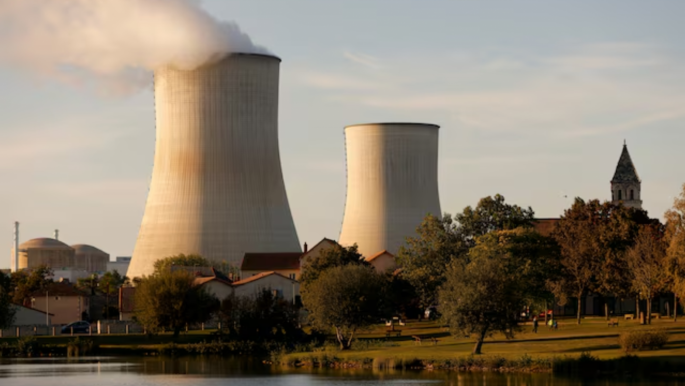

Nuclear Energy as a Pillar of National Survival
Energy diplomacy has been characterized as a matter of absolute national survival for nations with limited natural resources. According to this perspective, such diplomacy serves as the critical bridge connecting domestic energy scarcity with external resources necessary to sustain economic and social development.
Mohammad Shawkat Akbar articulated this viewpoint in an article published in The Business Standard on August 12, 2026. In his analysis, Akbar emphasized that for resource-constrained countries like Bangladesh, securing energy supplies is not merely an economic priority but a fundamental requirement for national existence.
Bangladesh is currently strengthening its nuclear energy diplomacy with the specific objective of securing its long-term energy security. This strategic focus indicates a deliberate policy shift toward leveraging international relations to establish a stable and sustainable power infrastructure through nuclear means.
Navigating Dual Geopolitical Dynamics
The contemporary landscape of energy diplomacy is defined by the simultaneous management of two distinct and complex geopolitical dynamics. The first dynamic involves the traditional geopolitics associated with fossil fuels, which have historically dominated global energy markets and international relations.
Concurrently, nations must navigate the emerging geopolitics linked to the modern and green energy transition. This dual challenge requires diplomatic strategies that can balance immediate energy needs derived from conventional sources while aligning with long-term global shifts toward renewable and low-carbon energy solutions.
The Challenge of Modern Energy Transition
Managing these overlapping geopolitical spheres presents significant diplomatic hurdles. The traditional fossil fuel sector involves established supply chains, existing political alliances, and entrenched economic interests. In contrast, the green energy transition introduces new technologies, international regulatory frameworks, and shifting global priorities regarding climate change and sustainability.
Nations must therefore craft diplomatic approaches that are adaptable enough to address the realities of current energy consumption patterns while preparing for a future where green energy standards play an increasingly dominant role in international trade and cooperation.
Strategic Implications for Bangladesh
Bangladesh’s emphasis on nuclear energy diplomacy reflects an attempt to secure a reliable base-load power source that can support industrial growth and urbanization. Nuclear energy is often viewed as a stable alternative that can complement renewable sources, providing consistent power output regardless of weather conditions.
By focusing on nuclear partnerships, Bangladesh aims to diversify its energy portfolio and reduce dependence on volatile fossil fuel markets. This strategy aligns with the broader goal of ensuring that domestic energy scarcity does not hinder national development or economic stability.
The article by Akbar highlights that effective energy diplomacy requires a nuanced understanding of both historical energy politics and the evolving rules of the green transition. For Bangladesh, this means engaging with multiple international partners who can provide technology, fuel, and financial support for nuclear infrastructure projects.
International Cooperation and Resource Acquisition
The role of diplomacy in acquiring external resources is particularly critical for countries that lack domestic uranium reserves or the indigenous capacity to produce energy at scale. Through bilateral and multilateral agreements, Bangladesh seeks to access the technical expertise and material supplies necessary to build and operate nuclear power plants.
This diplomatic effort extends beyond simple procurement; it involves establishing long-term frameworks for safety standards, waste management, and non-proliferation compliance. These elements are essential for maintaining international legitimacy and ensuring that nuclear energy projects receive ongoing support from global institutions and partner nations.
As Bangladesh continues to strengthen its position in the global nuclear diplomacy arena, the success of these efforts will depend on its ability to balance the demands of traditional energy geopolitics with the imperatives of the green transition. The outcome of these diplomatic maneuvers will determine the country’s energy security posture for decades to come.
The perspective presented by Akbar underscores that energy diplomacy is not a static field but a dynamic process requiring constant adaptation to global political and environmental changes. For Bangladesh, the integration of nuclear energy into its diplomatic strategy represents a proactive step toward securing its future power supply amidst uncertain global conditions.