


Approaching a Milestone Amidst Internal Turmoil
The United States stands on the precipice of celebrating two-and-a-half centuries since its founding. This milestone arrives as July 4th approaches, marking the anniversary of the Declaration of Independence.
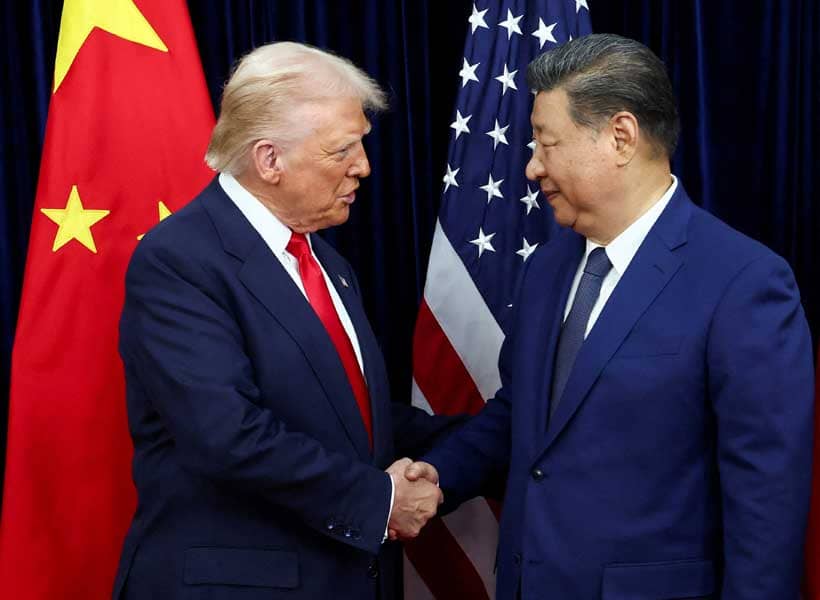
According to reports from Modern Diplomacy, this period is characterized by a complex geopolitical backdrop where Beijing is actively telling and retelling the story of America's history. The narrative shift occurs simultaneously with significant internal challenges within the United States government and society.
The context for these upcoming celebrations includes marked instability regarding federal funding disputes. These financial disagreements are reported to be customary occurrences during this specific anniversary year, creating a backdrop of uncertainty for national observances.
Furthermore, political divisions have intensified in recent years. A federal commission is currently engaged in opposition against a more partisan task force originating from the White House. This institutional friction represents one of the primary internal challenges cited as influencing how history and current events are perceived during this anniversary season.
The public sector has also been described as worn by years of political turmoil. Reports indicate that citizens have experienced sustained periods of discord, which contributes to a national atmosphere where celebrations may arrive bruised rather than unified. This state of affairs is noted in the source material as a defining feature of the current timeline leading up to July 4th.
The Evolution of Beijing's Historical Perspective
Beijing's narrative on American history has been reported to be evolving over time. The source text explicitly states that this shifting perspective is taking place in direct correlation with the United States approaching its bicentennial and a half anniversary.
This evolution suggests a dynamic relationship between how China views American historical milestones and current political realities within Washington. As noted by Modern Diplomacy, the story regarding America's 250 years keeps changing even as formal celebrations are planned for July 4th.
The article highlights that these changes in narrative do not happen in isolation but rather reflect a broader geopolitical context where international observers track shifts in domestic American politics. The specific mention of Beijing indicates an active engagement with the historical record, suggesting that China monitors and potentially influences how its counterpart nation frames its own past during significant anniversaries.
According to the publication, this evolving narrative is part of a larger trend observed by geopolitical analysts who follow international relations closely. The focus remains on the interplay between domestic American issues—such as funding disputes—and external perceptions held in Beijing.
The Role of Political Task Forces and Commissions
Specific details regarding the internal political landscape reveal a struggle over how history is taught or commemorated within official government structures. A federal commission has been identified as fighting against a more partisan task force from the White House.
This conflict between different governmental bodies represents a key element of why the story keeps changing according to the source text. The existence of these competing groups suggests that there are multiple, perhaps conflicting, versions of history or commemoration strategies being debated within Washington itself before they reach international audiences like those in Beijing.
The funding disputes mentioned earlier are described as customary for this anniversary year. These financial disagreements reportedly impact the ability to organize unified celebrations and may contribute to the fractured nature of public discourse surrounding American history during this period.
Public Sentiment and Geopolitical Implications
The state of the American public is reported to be worn by years of political turmoil. This condition is cited as a factor that will influence how July 4th celebrations are received across the nation. The source material notes that these factors—funding disputes, partisan task forces versus federal commissions, and a weary public—are expected to turn what should be celebratory events into something more complicated.
Modern Diplomacy reports that the post titled "How Beijing Is Telling the Story of America's 250 Years" appeared first on their platform. This publication serves as a primary source for these observations regarding international perspectives on American history.
The article suggests that when Washington celebrates, it does so under conditions where the narrative is not static but fluid. The shifting nature of Beijing's story about America mirrors the internal instability reported within U.S. institutions and among its citizens.
According to the text, there will be customary funding disputes during this anniversary year. These are presented as a standard feature rather than an anomaly, implying that such conflicts have occurred in previous years or similar commemorative events involving national anniversaries.
The federal commission fighting against a more partisan task force from the White House is described as a central dynamic of current political discourse on history and governance. This internal conflict contributes to why the story keeps changing when Washington celebrates, according to the reporting by Modern Diplomacy.