



India Chairs Session Amidst Evolving Global Security Landscape
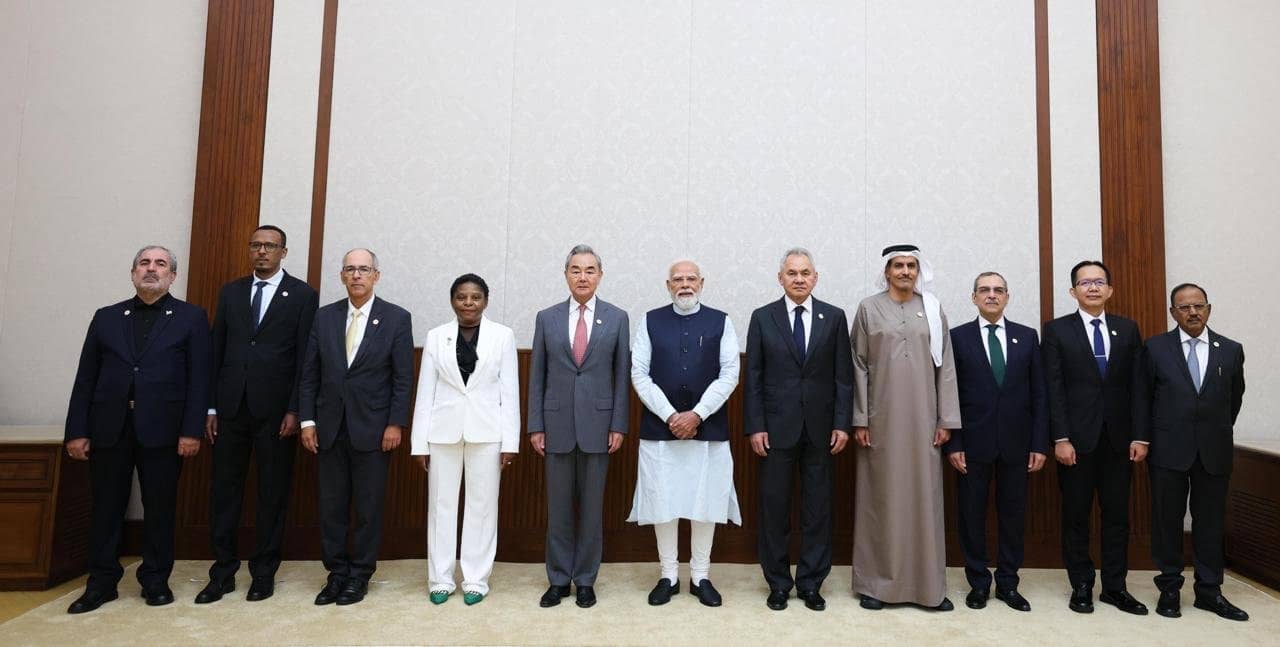
The National Security Advisors (NSA) of BRICS nations convened in New Delhi on June 24, 2026. The gathering marked the sixteenth iteration of this specific advisory body meeting within the broader organization framework.
Ajit Doval served as the chair for the proceedings representing India's position at the table. His role involved guiding discussions among member states regarding shared security priorities and cooperative mechanisms designed to address contemporary threats facing the bloc.
The duration of this specific assembly was set at two days, providing sufficient time for extensive deliberation on complex geopolitical issues affecting international stability in 2026.
Focus on Cybersecurity and Technological Misuse
A primary agenda item during the New Delhi session concerned cybersecurity protocols among member nations. Officials discussed measures to enhance collective defense against digital threats targeting critical infrastructure and state networks across BRICS economies.
The meeting placed significant emphasis on preventing terrorist groups from exploiting new technologies for malicious purposes. Specific attention was directed toward Artificial Intelligence (AI), with concerns raised regarding how AI tools could be repurposed by hostile actors or extremist networks to amplify their operational capabilities.
Broader Strategic Priorities and Collective Defense Mechanisms
Beyond digital threats, the agenda expanded to encompass traditional security challenges that impact regional stability. Energy security emerged as a critical topic of discussion among delegates from member states.
The safety of food supply chains was another area requiring coordinated attention during the talks held in India's capital city. Representatives analyzed vulnerabilities within global logistics networks and explored ways to insulate BRICS markets against external shocks affecting agricultural distribution.
Climate Change as a Security Multiplier
Security challenges arising from climate change were formally addressed on the agenda of this NSA gathering in New Delhi. The group recognized environmental shifts as potential catalysts for instability and conflict, requiring proactive diplomatic engagement rather than reactive measures alone.
Diplomatic Significance Ahead of September Summit
The outcomes generated during these June 2026 discussions carry substantial weight relative to upcoming high-level events within the organization. Stakeholders view the resolutions reached at this NSA level as a significant message intended for broader international audiences.
Preparation for Upcoming High-Level Summit
The next major gathering scheduled involves BRICS heads of state and government leaders convening in September 2026. Officials preparing for that summit are expected to utilize the strategic frameworks developed during this NSA meeting as foundational elements.
Commitment to Strengthened Cooperation
All participating nations expressed agreement on strengthening security cooperation among themselves. This consensus reflects a broader trend within international relations where regional blocs seek greater autonomy in managing their own defense and stability concerns without relying solely on traditional Western-led frameworks.
Joint Working Group Formation
A joint working group focused specifically on counter-terrorism activities was scheduled to convene earlier that same year, in May 2026. This timeline indicates a structured approach to building institutional capacity before the main NSA session took place later in June.
Supply Chain Resilience
The security of supply chains received dedicated focus during deliberations held under Ajit Doval's chairmanship. Participants examined how disruptions in these networks could impact national economies and social stability across member states.
Contextualizing the Meeting within Broader Geopolitics
The timing of this NSA meeting occurred against a backdrop of increasing global instability involving cyber incidents, regional conflicts, and economic volatility. The decision to convene in New Delhi signaled India's continued leadership role within BRICS structures.
Addressing Misuse of Emerging Technologies
Talks centered on how emerging technologies could be misused by non-state actors or hostile states required detailed technical analysis and policy formulation. Experts present at the session likely contributed specialized knowledge regarding AI vulnerabilities, encryption standards, and digital surveillance capabilities.
Energy Security Interdependencies
The interdependence of member nations' energy systems was a factor in discussions surrounding supply chain security. Ensuring reliable access to affordable energy remains central to economic development goals for all BRICS participants.
Terrorism and Hybrid Threats
Counter-terrorism efforts were integrated with cyber defense strategies, acknowledging the blurred lines between digital attacks and conventional threats in modern warfare scenarios. This holistic approach aims to dismantle networks capable of orchestrating multi-domain assaults on member states simultaneously.