

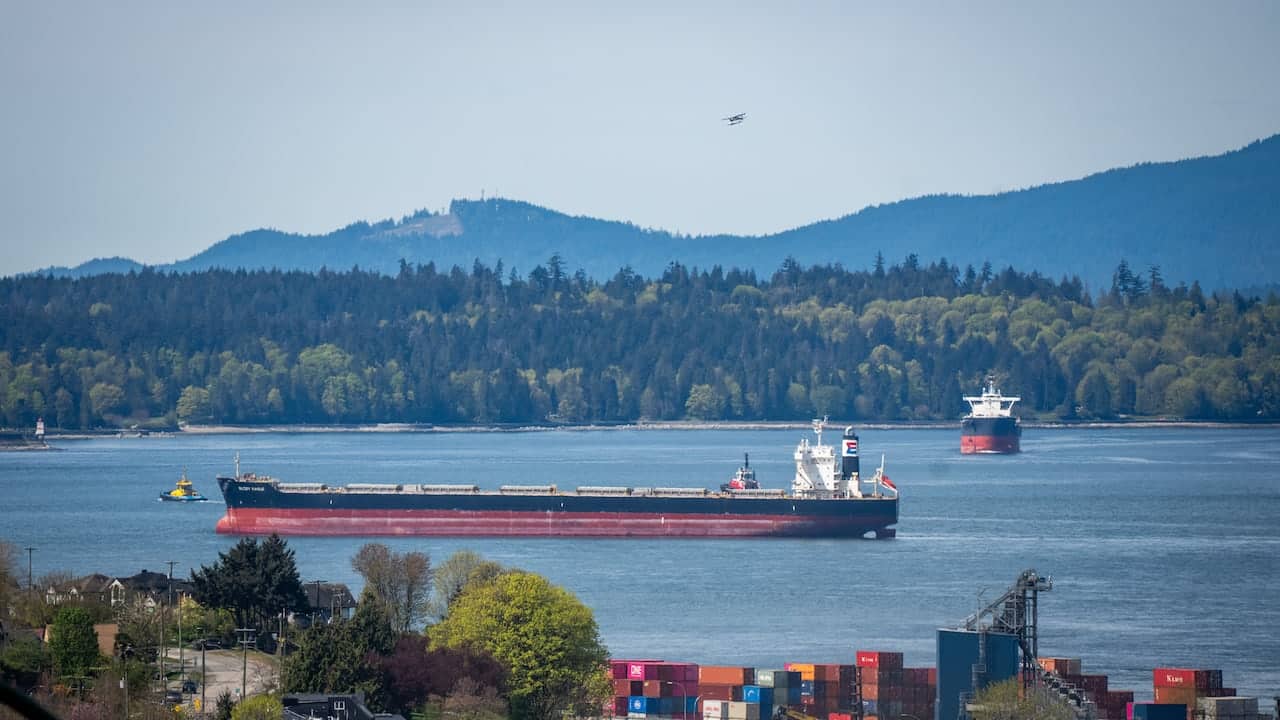

Canada's Exports to China See Record Surge in Early 2026
Canadian exports to China experienced a substantial increase of 30.1% in the first half of 2026, reaching a total value of $21.74 billion. This significant growth was identified through a meticulous analysis of Statistics Canada records, jointly conducted by the Canada-China Business Council and the University of Alberta's China Institute. The robust figures mark a notable and strategic shift in the trade relationship between the two nations during this six-month period, signaling a potentially evolving dynamic in Canada's global trade strategy.
Significant Shift in Bilateral Trade Flows
The upward trajectory in Canadian exports stands in considerable contrast to the trend observed in imports from China. During the same timeframe, imports from China into Canada saw a decline of 5.8%, settling at $44.86 billion. This disparity in growth rates between exports and imports suggests a rebalancing of trade flows, even as the overall exchange remains substantial. Despite the decrease in imports, the combined value of goods traded between Canada and China still registered positive growth, with total bilateral trade amounting to $66.6 billion. This represents a 3.6% year-over-year growth in overall trade for the first half of 2026, underscoring the enduring significance of the economic corridor.
Bijan Ahmadi, executive director of the Canada-China Business Council, emphasized the unprecedented nature of this export performance. "This is a record for our first half of the year exports to China," Ahmadi stated, highlighting the extraordinary scale of the increase when compared to previous periods of trade activity between Canada and China. This record-setting achievement not only reflects increased demand from the Chinese market but also suggests a deliberate and successful pivot in Canadian export focus towards Asia, particularly given the current global economic landscape.
Energy and Raw Materials Fuel Export Expansion
The primary catalyst behind this remarkable surge in Canadian exports was the robust performance of the energy and minerals sectors. These critical industries collectively accounted for a dominant 58.4% of all Canadian domestic exports to China during the first half of 2026. This concentration underscores their central and indispensable role in Canada's trade profile with the Asian economic powerhouse, which continues to be a major consumer of raw materials globally.
Dominance of Resource Sectors
Within the energy sector specifically, exports witnessed an impressive 81.8% increase compared to the corresponding period in the previous year. This substantial growth was primarily driven by key commodities such as crude oil and liquified propane, which found a strong and expanding market in China. The escalating demand for these energy products from China reflects its ongoing need for reliable and diversified sources of raw materials to fuel its vast industrial base and meet its growing energy requirements, positioning Canada as a crucial and increasingly important supplier.
Beyond energy, the export of metal ores and non-metallic minerals also contributed significantly to the overall growth figures. Shipments of essential materials like copper ore experienced a notable rise of 29%. This consistent and strong demand for various raw materials, ranging from vital energy resources to foundational base metals, firmly establishes the commodity-driven nature of Canada's expanding trade relationship with China. This reliance on resource exports highlights Canada's strength as a supplier of primary goods in the international market.
Diversification Strategy Takes Shape Amid U.S. Tensions
The marked increase in trade with China is widely interpreted as a deliberate and strategic component of Canada's broader economic policy to diversify its international trade partnerships. This crucial strategic adjustment is unfolding against a backdrop of persistent and often strained relations between Canada and the United States, particularly exacerbated by the trade disputes that originated during the Trump administration and have continued to influence North American trade dynamics and policy decisions.
Navigating Strained U.S. Relations
For Canada, reducing an inherent over-reliance on a single major trading partner, such as the United States, has become an increasingly vital and publicly discussed policy objective. The ongoing trade tensions, characterized by the imposition of tariffs, protectionist measures, and sometimes unpredictable policy shifts, have prompted Canadian policymakers and businesses alike to actively seek out and strengthen alternative markets. The substantial growth in exports to China in the first half of 2026 indicates a tangible and positive outcome of this diversification effort, offering a potential and much-needed counterbalance to uncertainties and potential vulnerabilities in the U.S. market.
Strategic Re-engagement with the Asian Market
Researchers involved in the detailed analysis, specifically from the Canada-China Business Council and the University of Alberta's China Institute, note that the recent trade data reflects a renewed and strategic engagement between Canada and China. While trade relations between the two countries have historically been present, often navigating complex geopolitical landscapes and periods of tension, the current figures suggest a deliberate and intensified focus on the Chinese market. This re-engagement is seen as a calculated strategic move designed to bolster Canada's economic resilience, expand its global footprint, and secure new opportunities, particularly in the face of ongoing challenges and evolving geopolitical dynamics with its southern neighbor.
The comprehensive report from these two institutions offers valuable and timely insights into how Canadian enterprises are adapting to and successfully navigating the evolving global trade environment. It underscores the indispensable role that resource exports play not only in driving significant economic growth for Canada but also in fostering and maintaining vital international trade relationships, even amidst broader geopolitical frictions and shifting global alliances. This strategic approach aims to ensure Canada's economic stability and growth in a complex world.