

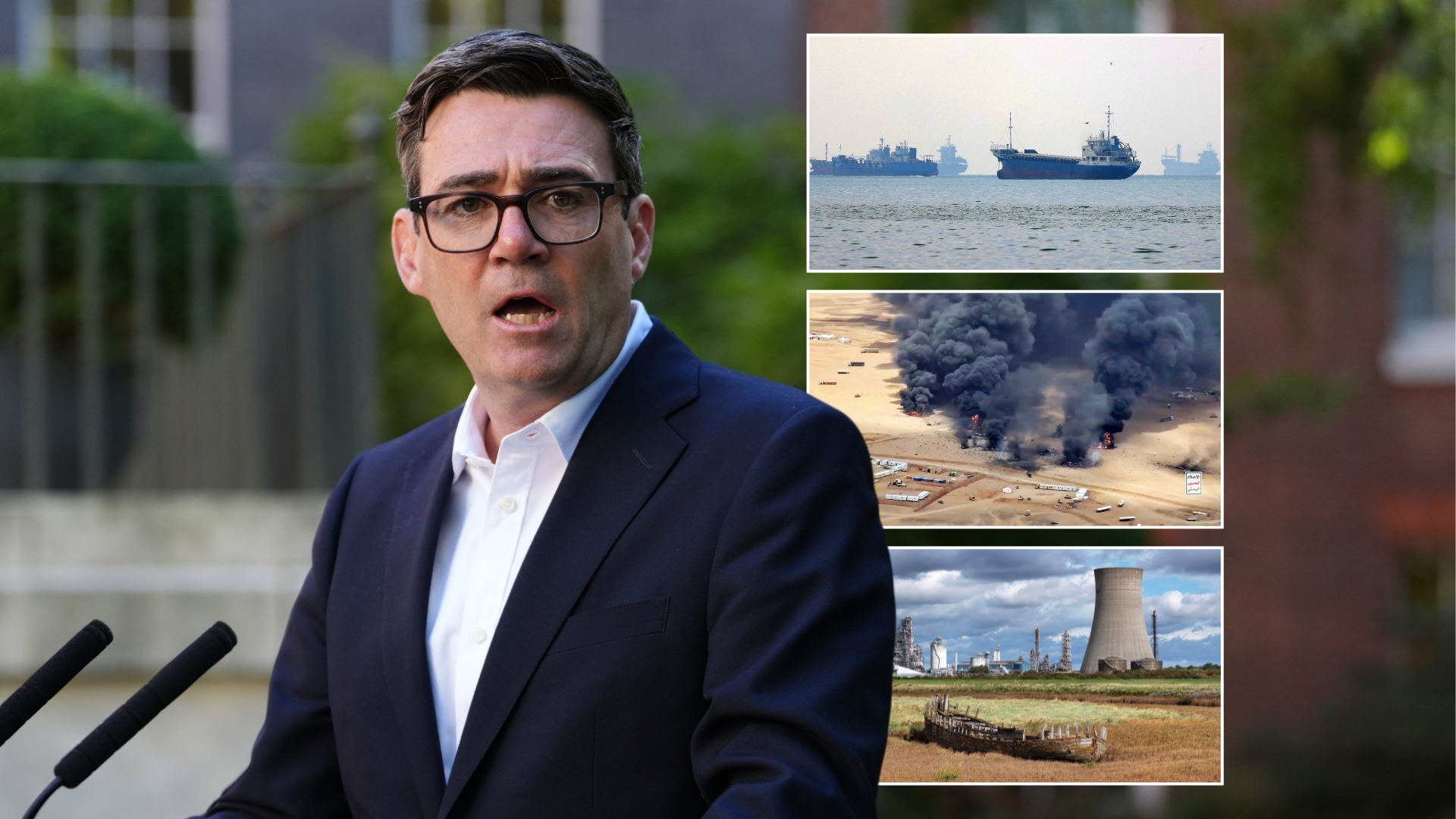

Warnings of Fiscal Fragility
Britain’s current energy regime is "one shock away" from crisis due to global instability and spiralling prices, according to reports from GB News. Experts warn that the UK must diversify its portfolio and end reliance on overseas energy imports to prevent power bills from exploding to unprecedented levels.
An overreliance on imported energy at high prices has pushed the economy to the brink, with almost half of Britain’s energy needs supplied from overseas. Imported energy accounted for 43 percent of all usage in 2025, leaving the country exposed to international market fluctuations during a period of major global instability.
Dan Marks, a fellow at the Royal United Services Institute (Rusi), told The People’s Channel that "the energy shocks of 2022 and 2026 really tipped the UK over the edge." He added that there is not enough fiscal space for another shock and that persistent spikes would cause the UK strategy to fail.
Specific Supply Vulnerabilities
Specific vulnerabilities include gas and diesel, with 63 percent of Britain’s gas supply and 55 percent of domestic road-diesel demand coming from overseas. This heavy dependence on foreign sources leaves the nation particularly sensitive to geopolitical disruptions.
Historical precedents illustrate this fragility. In 2022, Russia’s invasion of Ukraine and the loss of Russian energy supplies sent gas and oil prices soaring. More recently, in 2026, the closure of the Strait of Hormuz and conflict across the Middle East pushed energy prices to new highs.
Further illustrating these risks, Iran-backed Houthis attacked Saudi Arabia’s East-West pipeline, causing energy exports to Europe to be cancelled for October. During prolonged disruptions, the UK relies on competing in the international market and paying significant premiums to attract scarce supplies.
Mitigation and Market Realities
Despite these risks, some industry leaders argue that supply remains secure if costs are met. Adam Berman, Energy UK Director of Policy and Advocacy, stated that as long as the UK could pay for shipping, availability was not an issue, noting that even at the height of the energy crisis, security of supply was maintained.
However, the financial burden on consumers continues to mount. Since 2019, the Ofgem price cap has partially insulated households by limiting unit rates and standing charges, but it does not fully shield consumers from global shocks. The price cap is projected to rise 25 percent in January, adding around £427 to a typical annual bill.
British industry does not benefit from the price cap as major companies negotiate their own bills, and has been "decimated" by spiralling costs since 2022. Dan Marks cited a "massive deterioration of major strategic industries" and a "huge deterioration of the Government balance sheet" as evidence that the energy security strategy has failed to maintain energy's function in the economy and society.
Industrial Impact
The tangible effects of these costs are visible across key sectors. LATEST DEVELOPMENTS include Andy Burnham stating the cement industry is 'on the way to the cliff edge' due to £1m-a-month energy bills. Additionally, Jim Ratcliffe announced closing three chemical plants in Britain amid 'ridiculously high energy prices,' signaling further strain on domestic manufacturing capabilities.