Full story
Becker Questions Feasibility of New Voting Restrictions
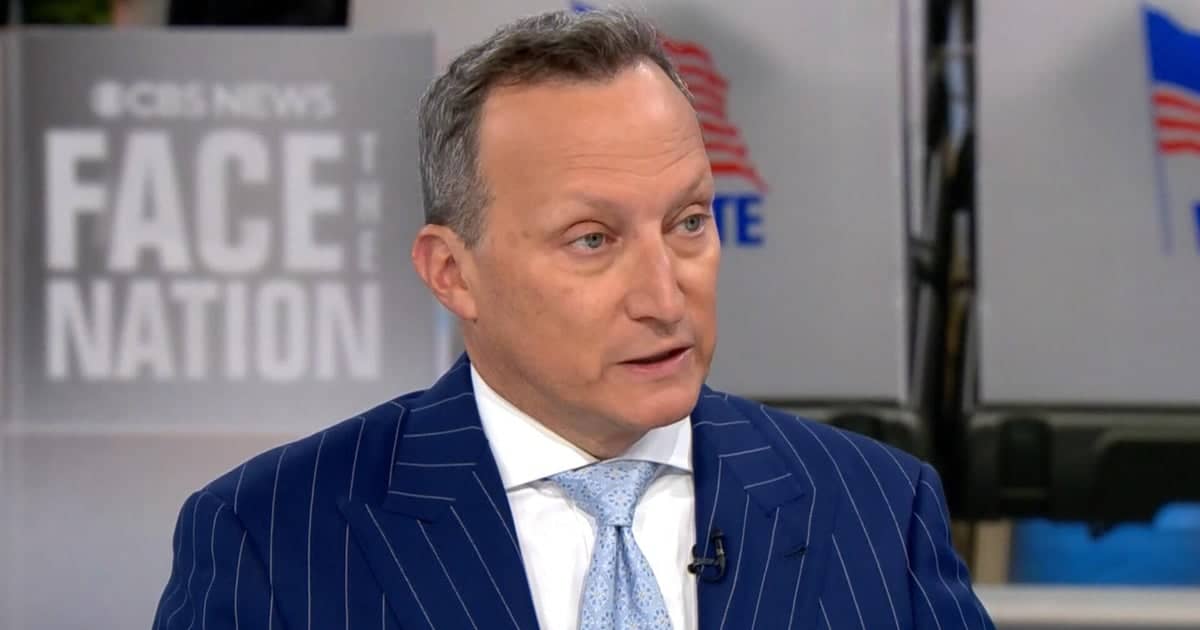
CBS News election analyst David Becker has publicly stated that there is insufficient time to implement President Donald Trump’s executive order aimed at restricting mail voting. Speaking on the CBS program "Face the Nation with Margaret Brennan," Becker assessed the logistical and legal realities surrounding the proposed changes, concluding that the measures would not take effect for the upcoming midterm elections.
During his appearance, Becker emphasized the practical constraints faced by election administrators across the United States. He noted that putting such a significant change into practice requires extensive preparation, which he argued is no longer available given the current timeline. His comments reflect a broader skepticism among some election experts regarding the speed at which federal voting regulations can be enforced nationwide.
Assessment of the 2026 Election Cycle
Becker specifically addressed the implications for the 2026 midterm elections, which are scheduled to take place in November of that year. He stated clearly that he believes the executive order is "almost certainly not going to be implemented" for this specific election cycle.
The analyst’s assessment suggests that even if the executive order were signed and published immediately, the administrative processes required to update voting systems, inform voters, and train poll workers would not be completed before Election Day in 2026. This timeline leaves a narrow window for any federal changes to take effect, leading Becker to doubt their viability for the next major federal election.
Details from "Face the Nation" Interview
The discussion took place during an interview on CBS’s Sunday morning political affairs program. Becker was asked about the potential impact of Trump’s executive order on upcoming elections. In his response, he reiterated that there is "simply no time" to put the new restrictions in place.
His remarks were directed at the operational challenges involved in altering mail voting procedures. Mail voting systems vary significantly by state, and any federal directive would require coordination with local election officials who manage their own processes under state law. Becker’s statement highlights the disconnect between federal executive actions and the decentralized nature of American elections.
Implications for Future Elections
While Becker focused his comments on the 2026 cycle, his analysis implies that any such executive order would likely face significant hurdles in implementation. The lack of time is not just a matter of political will but of administrative capacity. Election officials must update voting materials, adjust registration deadlines, and ensure that voters are aware of any changes to how they cast their ballots.
Becker’s view aligns with the perspective that executive orders alone may not be sufficient to immediately alter established voting practices without additional legislative support or extended implementation periods. His prediction for 2026 stands as a specific forecast based on the current political and administrative landscape.
Context of the Executive Order
The executive order in question seeks to restrict mail voting, a practice that has become increasingly common in recent years. The order represents a shift in federal policy regarding how citizens can cast their ballots by mail. However, Becker’s analysis suggests that the transition will not be immediate.
Election analysts often point out that changes to voting methods require careful planning to ensure accessibility and security. Becker’s statement underscores the complexity of these changes and the difficulty of implementing them on a short timeline. His comments serve as a counterpoint to those who might expect rapid changes in voting procedures following an executive directive.
Reactions and Further Analysis
As of the time of Becker’s appearance on "Face the Nation," no immediate response from the Trump campaign or administration regarding his comments was reported. The focus remains on Becker’s professional assessment of the situation.
The CBS News election analyst’s position provides a specific viewpoint on the feasibility of the executive order. His statement that there is "no time" for implementation offers a clear prediction for observers monitoring the impact of federal actions on state-level elections. The 2026 midterms will serve as the first major test of whether such restrictions can be enforced in practice.