

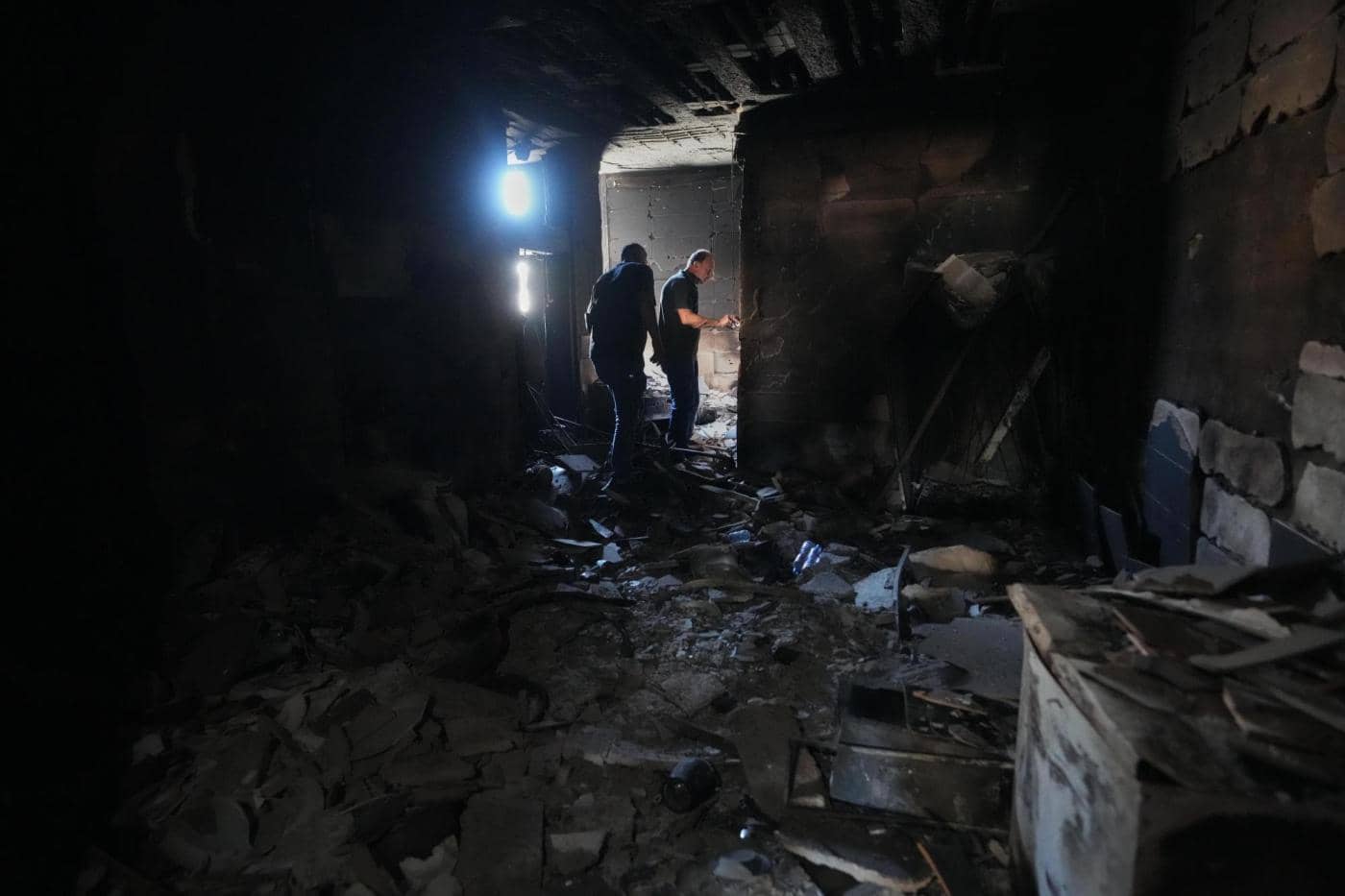

The Disconnect Between Definition and Reality
In contemporary geopolitical discourse, particularly within the volatile regions of the Middle East, the term "ceasefire" has become a ubiquitous descriptor for attempts to halt hostilities. However, an examination of current conditions reveals a significant divergence between the standard definition of this diplomatic tool and the reality on the ground. A conventional ceasefire is understood by international observers as a formal agreement wherein active fighting ceases temporarily or permanently. This cessation typically implies that military operations pause, negotiations commence with renewed vigor, citizens experience a respite from violence, and time becomes available for humanitarian aid delivery and infrastructure rebuilding.
Despite these established parameters, the current landscape in several key conflict zones contradicts this definition. In Israel's ongoing conflict with Gaza, daily attacks have persisted even after high-level declarations of ceasefire deals were announced by various stakeholders. Similarly, the situation unfolding in Lebanon is frequently characterized by analysts as a "ceasefire in name only." Fighting continues there long after agreements were made public to the international community. This phenomenon suggests that while diplomatic language evolves rapidly across global media outlets and government press releases, the military reality remains largely unchanged.
The persistence of violence under the banner of a ceasefire raises critical questions regarding the utility of such terminology in modern warfare. When low-level exchanges of fire or significant strikes continue unabated following an agreement, does the term accurately reflect the state of affairs? Experts argue that relying on this label can obscure the true nature of the conflict, potentially misleading policymakers and civilians alike about the level of risk present.
Regional Case Studies: Gaza, Lebanon, and Iran
The discrepancy between declared ceasefires and active combat is most visibly evident in three primary theaters of operation. In Gaza, despite numerous rounds of negotiations involving regional powers and international mediators, the cessation of hostilities has proven elusive. Reports indicate that daily attacks continue to occur against Israeli targets within Palestinian territory and vice versa. This pattern undermines the premise that a ceasefire agreement effectively halts military operations.
Parallel developments are occurring in Lebanon, where tensions remain high along the border with Israel. The conflict there is described by regional observers as existing "in name only." While formal agreements may have been signed or verbally acknowledged between belligerent parties, ground-level violence persists. This includes artillery exchanges and missile launches that disrupt civilian life and infrastructure well past the dates stipulated in any verbal or written truce.
Further complicating the global picture is the situation involving Iran. Reports suggest that low-level talks are reportedly continuing under a sixty-day deadline to establish terms for de-escalation. However, these discussions remain far from establishing a comprehensive peace deal. The strategic importance of the Strait of Hormuz remains a flashpoint; it has never stopped seeing closures or attacks for extended periods following diplomatic overtures. Any disruption in this critical waterway would have profound global economic implications, yet such risks continue to materialize regardless of ceasefire rhetoric.
Expert Analysis and Political Implications
Scholars and practitioners of international relations are increasingly vocal about the inadequacy of current terminology. Fawaz A. Gerges, a professor of international relations at the London School of Economics and Political Science, has provided stark commentary on the situation involving major powers in the region. He stated unequivocally that "There is no ceasefire between the United States and Iran." This assessment reflects a broader consensus among analysts who observe that diplomatic engagements often fail to translate into tangible reductions in military activity.
The disconnect extends beyond specific regional conflicts to high-level political declarations globally. President Donald Trump has declared victory while fighting continues, highlighting the profound gap between political rhetoric and military reality on the ground. Such statements serve as a reminder that geopolitical leaders may prioritize symbolic gestures or electoral narratives over the practical cessation of violence.
Analysts, journalists, and people living in affected areas are increasingly objecting to describing the current state of conflict in these regions as a "ceasefire." The continuous shooting observed by civilians contradicts the safety implied by such agreements. This growing pushback from those on the ground underscores the need for more precise language that accurately reflects ongoing dangers rather than relying on outdated or optimistic diplomatic frameworks.
The implications of this linguistic and practical disconnect are significant. If a ceasefire does not result in an actual halt to fighting, it may erode trust between negotiating parties and diminish the credibility of international mediation efforts. Furthermore, when civilians remain exposed to danger under the guise of peace agreements, humanitarian crises can deepen rather than resolve.
Understanding why these terms are used despite contradictory evidence requires looking at the incentives for all involved parties. Governments often seek ceasefire announcements to satisfy domestic audiences or gain leverage in negotiations without necessarily committing their militaries to a full withdrawal from conflict zones. Conversely, non-state actors may use the term strategically to maintain operational freedom while appearing compliant with international norms.
As global attention shifts toward these regions, it becomes essential for observers and policymakers to scrutinize claims of ceasefires against verified data regarding active combat operations. The reality is that in many instances, what passes as a ceasefire is merely an interlude or a tactical pause rather than a genuine cessation of hostilities.