


Artists Face Removal of Satirical Content
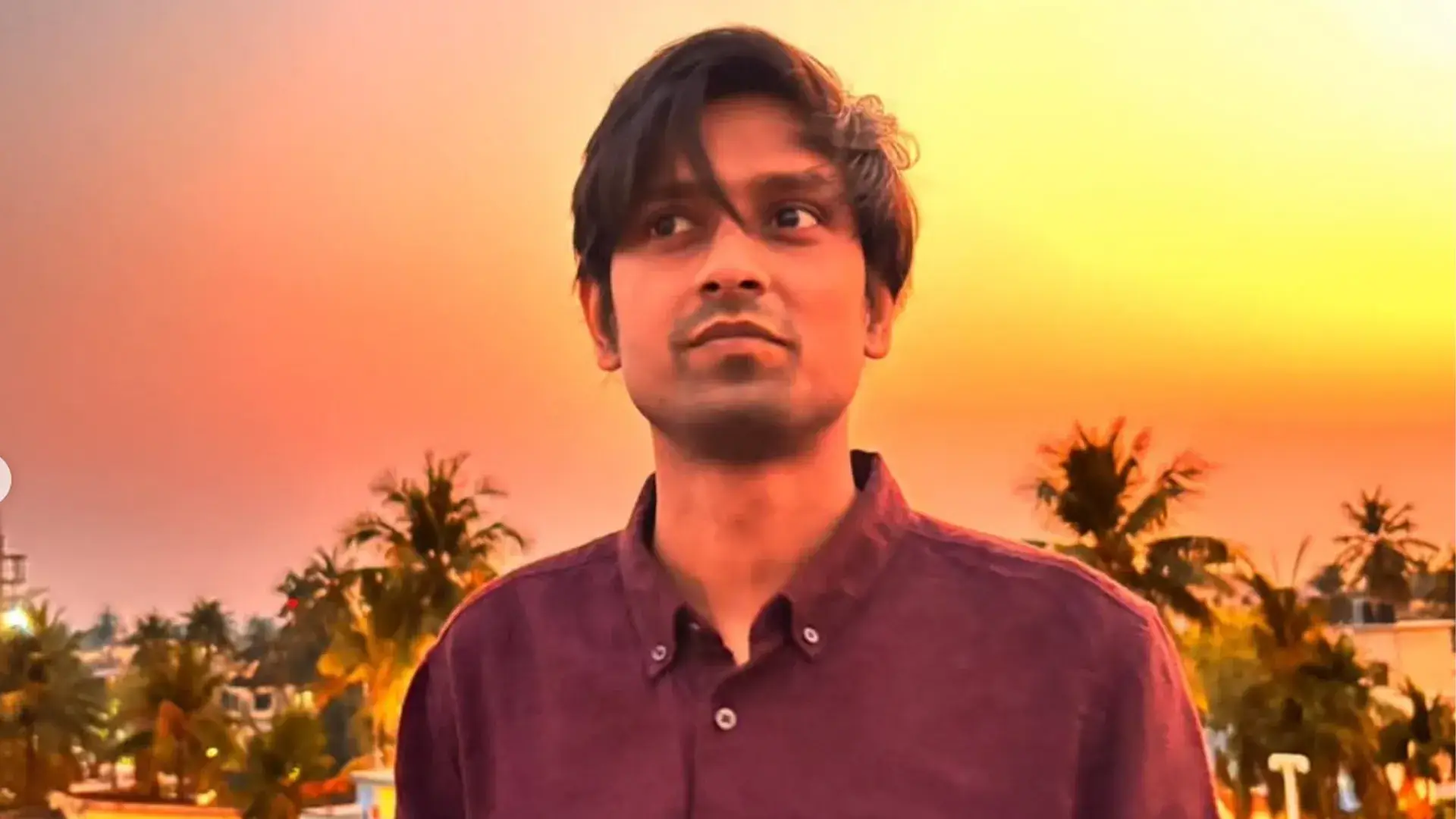
Stand-up comic Brijesh Jha posted a parody video on Instagram last week to protest the removal of his name, along with his father’s and sister’s, from a voter list in West Bengal. The video alleged that Chief Election Commissioner Gyanesh Kumar disenfranchised millions of voters at the behest of Prime Minister Narendra Modi’s Bharatiya Janata Party (BJP). After garnering 1.7 million views since its posting on September 29, Meta took the video down two days later, citing “local laws” without further explanation.
Mumbai-based artist Brijesh Jha told Al Jazeera he felt helpless regarding the incident. He stated that if voting is taken away, he has nothing left. Jha said his parody song was removed because the Modi government is “scared” after an Indian Express investigation revealed concerns over a controversial revision of voter rolls.
Protesters have used an increasingly inventive language of dissent driven by humor, art, and music, much of it existing online alongside street demonstrations. However, digital platforms are actively restricting this content. According to the Indian Express newspaper, the government issued nearly 195,000 content-blocking orders to Instagram, Facebook, and YouTube between March and July this year—an average of one blocking order every 68 seconds.
Protests Emerge Over Voter List Revisions
The Special Intensive Revision (SIR), launched in June last year, has deleted more than 130 million voters—nearly 14 percent of India’s total voters. Reports indicate an overwhelming number of those removed are Muslims who do not usually vote for the BJP.
An Indian Express investigation found that two of Kumar’s fellow election commissioners formally objected at least 14 times to key decisions linked to the SIR exercise. Opposition politicians and critics accused Kumar, a Modi government appointee, of acting at the behest of the BJP and demanded an independent inquiry.
Revelations have led to street protests across India demanding Kumar’s resignation. Congress protesters and allies were back on the streets on Wednesday, following protests by the satirical Cockroach Janta Party (CJP) and left-wing students in Mumbai and New Delhi since October 2. The CJP has planned another demonstration in New Delhi on October 10 if Kumar does not resign by then.
Police in New Delhi briefly detained opposition leader Rahul Gandhi and other Congress party leaders on Tuesday as they tried to march to the election commission office. Rahul Gandhi told reporters, “The country has been hijacked by Narendra Modi through vote theft,” and described what was done to the country as treason.
Political Fallout and Government Response
The detention of senior opposition figures highlights the intensifying friction between the ruling party and its critics. While Gandhi characterized the actions against him and the broader voter list changes as treason, a BJP spokesman accused opposition parties of making a concerted effort to change the government and deliberately attacking India’s democracy and constitutional institutions.
As street demonstrations continue in major cities like Mumbai and New Delhi, the intersection of digital censorship and physical protest remains a central point of contention. Artists like Jha argue that the removal of their content is a direct response to growing public scrutiny over electoral integrity, while the government maintains its stance through widespread content-blocking orders.