


Advisories on Diplomatic Engagement and Strategic Positioning
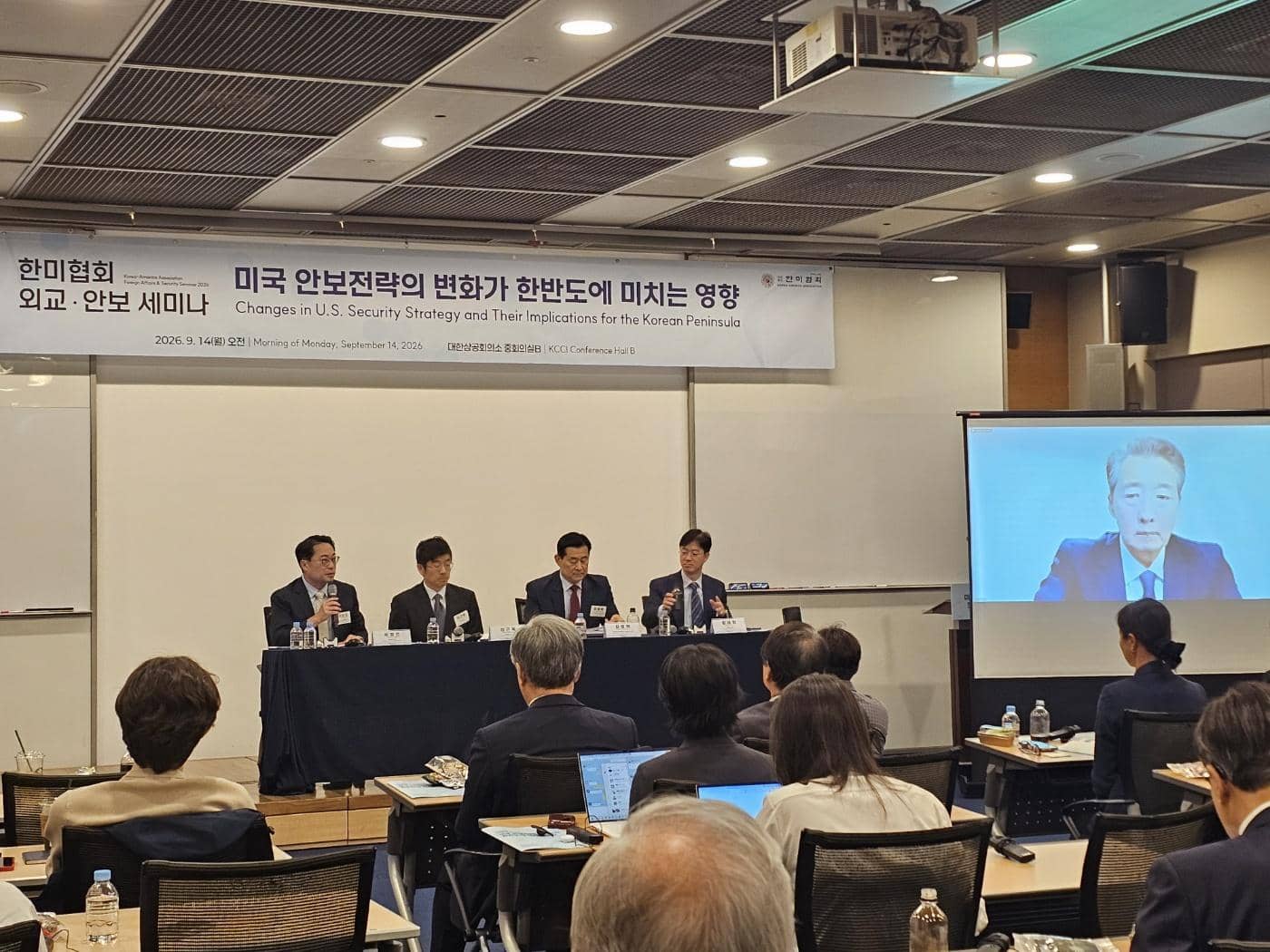
Veteran Korea expert Victor Cha issued a stark warning on Monday, cautioning that South Korea faces a significant risk of marginalization should the United States re-engage in direct negotiations with North Korea. Speaking at a pivotal forum titled "Changes in U.S. security strategy and their implications for the Korean Peninsula," organized by the Korea-America Association, Cha underscored the critical need for South Korean President Lee Jae Myung to foster and maintain exceptionally close communication with U.S. President Donald Trump.
Cha, who serves as the president of the Geopolitics and Foreign Policy Department at the influential Center for Strategic and International Studies (CSIS), delivered his insights virtually to the assembled audience. He stressed that proactive and sustained engagement from Seoul is not merely advisable but essential to prevent the nation from being sidelined or having its core interests overlooked if Washington decides to initiate direct talks with Pyongyang.
During the comprehensive discussion, Cha acknowledged that President Lee and President Trump appear to have cultivated a relatively positive working relationship. However, he advised that relying solely on this personal rapport would be insufficient. Instead, Cha urged the South Korean president to proactively adopt a strategic approach mirroring that of former Japanese Prime Minister Shinzo Abe during Trump’s initial presidential term, a period marked by high-stakes diplomacy with North Korea.
A Precedent for Proactive Engagement
Cha vividly recalled former Prime Minister Abe's determined efforts to maintain a direct and continuous line of communication with the U.S. president during a period of intense U.S.-North Korea diplomacy. He highlighted that whenever President Trump engaged in meetings with North Korean leader Kim Jong-un, Abe made it a priority to frequently travel to Washington. This consistent presence and direct engagement were crucial, according to Cha, to ensure that President Trump remained fully apprised of and did not inadvertently compromise vital Japanese interests, or "equities," in any potential agreement with Pyongyang.
"You remember Shinzo Abe during Trump 1.0. Every meeting that Trump had with Kim Jong-un, Shinzo Abe came to Washington to ensure that President Trump didn't sell out Japanese equities in any sort of deal with the North Korean leader," Cha recounted. He underscored that these "equities" encompassed a range of critical concerns for Japan, including missile threats, regional security, and the issue of Japanese abductees. Cha asserted that it is equally imperative for South Korean President Lee to adopt a similar mindset and proactive strategy when contemplating the prospect of renewed U.S.-North Korea negotiations, ensuring Seoul's specific security and strategic concerns are front and center.
Unpredictable Path to Renewed Diplomacy
Shifting his focus to the present diplomatic landscape, Cha asserted that there is currently little to no tangible evidence of formal diplomatic preparation between Washington and Pyongyang for any renewed talks. He specifically highlighted the absence of a substantive interagency process in either capital, indicating a lack of the traditional groundwork typically laid before high-stakes international negotiations. This means there are no established working-level discussions, no pre-negotiation agenda setting, and no clear bureaucratic channels being utilized to pave the way for dialogue.
Cha further emphasized that precisely because these formal preparations are conspicuously lacking, the personal decisions and inclinations of both President Trump and North Korean leader Kim Jong-un become exceptionally important in determining the trajectory and very possibility of future negotiations. This notable absence of bureaucratic groundwork strongly suggests that any potential high-level diplomatic movements would be driven primarily by the individual wills and direct interactions of the leaders themselves, rather than emerging from established policy frameworks or a carefully orchestrated diplomatic pipeline. Such a leader-centric approach inherently introduces a higher degree of unpredictability and speed, making it even more crucial for allies like South Korea to remain highly vigilant and engaged.
Strengthening Alliances Amidst Economic Pressures
Moving beyond the immediate concerns of U.S.-DPRK diplomatic engagement, Cha presented a series of broader strategic recommendations for Seoul to consider. He strongly suggested that any renewed diplomacy with North Korea, regardless of its form, must be strategically accompanied by significantly strengthened security cooperation among the United States, Japan, and South Korea. This trilateral framework, Cha argued, is vital for presenting a united front against regional threats and enhancing collective defense capabilities. Specifically, he advocated for enhanced collaboration on advanced missile defense systems and the joint production of interceptors, which would not only bolster the allies' ability to counter North Korean missile threats but also foster greater interoperability and shared technological advancement.
In addition to security considerations, Cha indicated that South Korea should prudently anticipate continued pressure from the United States concerning trade issues. This expectation is particularly relevant given the historical approach of a Trump administration, which has often prioritized bilateral trade balances. Cha argued that Seoul faces a dual challenge: it must proactively prepare its economy to navigate potential U.S. trade demands and pressures, while simultaneously reinforcing and deepening its critical military alliances to safeguard its national security interests in a complex geopolitical environment.
No Strategic Alternative to the U.S. Alliance
Addressing the long-term strategic landscape, Cha unequivocally asserted that South Korea possesses no viable strategic alternative to its enduring alliance with the United States. This alliance, he maintained, is indispensable for effectively managing its complex relationship with an increasingly assertive China and for navigating broader strategic pressures across the Indo-Pacific region. Cha emphasized that the U.S. alliance provides South Korea with unparalleled security guarantees, access to advanced military technology, and significant diplomatic leverage that no other partnership could replicate, especially given its immediate geopolitical neighborhood which includes North Korea, China, and Russia.