

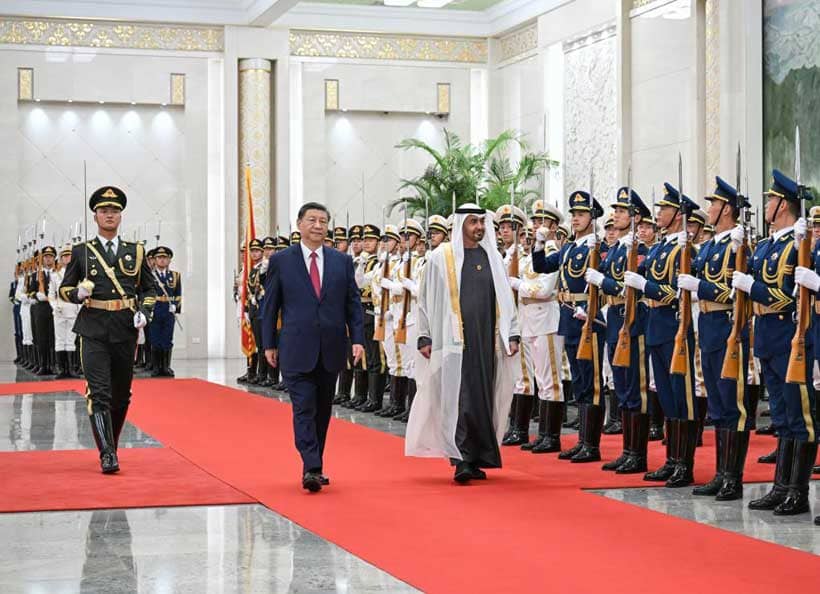

Seventy Years of Diplomatic Ties Defined by Cooperation
In June 2026, observers marked the 70th anniversary of contemporary relations between China and the Arab world. This milestone traces its historical roots to the mid-1950s, with specific diplomatic engagements beginning in 1956. The longevity of these ties has established a framework for interaction that persists into the current decade, characterized by sustained economic and political engagement rather than rigid structural commitments.
The anniversary event served as a focal point for reviewing the trajectory of this relationship. According to an analysis published by Modern Diplomacy in July 2026, the cooperation between Beijing and Arab states is defined primarily as a partnership. The publication explicitly distinguishes this dynamic from a formal alliance, highlighting the non-aligned nature of the connection despite its deepening scope.
Modern Diplomacy categorized the topic under Geopolitics, Middle East & Africa, and East Asia, indicating the cross-regional significance of the anniversary. The publisher’s coverage suggests that the relationship has evolved through multiple geopolitical shifts over seven decades without dissolving into formal bloc politics.
Strategic Importance and Future Trajectory
The 70th anniversary is described in recent reporting as being of immense strategic importance. Analysts note that the milestone warrants careful reflection to draw lessons and insights for the future of the relationship. The focus remains on understanding how the partnership has maintained its relevance across changing international landscapes.
Reports indicate that the relationship continues to grow at a remarkable pace. This growth trajectory suggests that the foundational cooperation established in the 1950s has expanded into new areas of mutual interest. The characterization of the ties as "partners, not allies" implies a flexibility that allows both sides to engage with other global powers while maintaining their primary bilateral connection.
The analysis published by Modern Diplomacy emphasizes the unique nature of this long-term engagement. By marking the occasion in 2026, the publication highlights the continuity of diplomatic efforts over nearly three-quarters of a century. The emphasis on partnership over alliance aligns with broader trends in Chinese foreign policy that prioritize economic integration and diplomatic non-interference.
Historical Foundations and Contemporary Relevance
The historical origin of contemporary Arab-Chinese relations is pinpointed to 1956. This mid-20th-century starting point coincides with a period of significant decolonization and realignment in the Middle East and Asia. The establishment of ties during this era laid the groundwork for subsequent decades of interaction.
As the relationship enters its eighth decade, the strategic importance of the anniversary is underscored by the continued expansion of cooperation. The description of the partnership as growing at a remarkable pace indicates active development in trade, infrastructure, and diplomatic channels. The distinction between partnership and formal alliance remains a central feature of how these relations are understood and reported.
The coverage by Modern Diplomacy places the anniversary within the broader context of global order and diplomacy. By framing the 70-year mark as a moment for drawing insights, the publication suggests that the China-Arab relationship offers a model of long-term engagement that operates outside traditional alliance structures. The specific dates of June 2026 for the anniversary and July 2026 for the publication provide a clear timeline for when these reflections on the partnership were made public.