


Strategic Objectives of the CMBEC Initiative
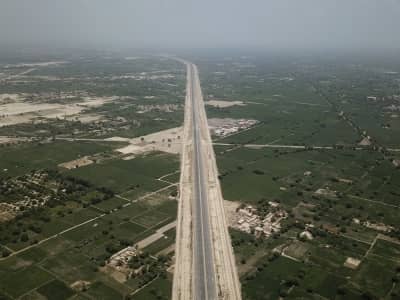
The proposed China–Myanmar–Bangladesh Economic Corridor (CMBEC) represents a significant effort by Beijing to reshape connectivity patterns in South Asia, according to reports. The initiative is designed to strengthen China's Belt and Road footprint while providing direct maritime access to the Indian Ocean. The corridor is slated to originate from Kunming, the capital of China's Yunnan province, establishing a land route that traverses Myanmar before reaching Bangladesh.
Analysts describe the CMBEC as an extension of what has been termed the "string of pearls" strategy. This strategic framework involves developing port infrastructure across multiple nations to encircle India's maritime sphere. Existing nodes in this network include Gwadar Port in Pakistan and Hambantota Port in Sri Lanka. The proposed expansion into Bangladesh would add Mongla and Chittagong Ports to this network, furthering Beijing's presence in the region.
By integrating these ports into a broader economic corridor, China aims to enhance its logistical capabilities and strategic influence in South Asia. The project is framed by Beijing primarily as an economic development initiative, focusing on connectivity and trade routes rather than geopolitical maneuvering.
Impact on Rohingya Refugees and Regional Stability
The infrastructure development associated with the CMBEC has raised concerns regarding its impact on the Rohingya community. Reports indicate that port modernization projects in the Chittagong region, particularly around Cox's Bazar, could lead to the repurposing of land currently occupied by refugee camps.
Cox's Bazar hosts hundreds of thousands of Rohingya refugees who have fled military crackdowns in Myanmar's Rakhine State since 2017. The displacement of these populations due to industrial and port expansion could push them toward India's eastern and northeastern borders, as well as into Southeast Asia.
China has reportedly avoided direct involvement in the Rohingya issue through its diplomatic framing of the project. By presenting the corridor solely as an economic venture, Beijing may be leaving the humanitarian aspects of the Rohingya crisis unresolved. This approach could potentially exacerbate instability in the region by creating new displacement pressures without addressing the underlying causes.
Parallel to Uyghur Policies and International Response
The handling of the Rohingya situation has drawn comparisons to China's treatment of the Turkic-speaking Muslim Uyghur minority in the Xinjiang Uyghur Autonomous Region (XUAR). Various reports have highlighted the conditions faced by Uyghurs in Xinjiang, prompting international scrutiny.
In December 2021, the United States enacted the Uyghur Forced Labour Prevention Act (UFLPA). This legislation prevents goods made with forced labor connected to the XUAR from entering the U.S. market. While the UFLPA specifically targets Xinjiang, it reflects broader international concerns regarding human rights conditions in regions under Chinese influence or control.
Challenges for India and Neighboring States
India is already managing significant challenges related to the influx of Rohingya refugees. The potential increase in traffic and population movement resulting from the CMBEC could further strain border management capabilities. Security concerns are likely to intensify as increased connectivity alters demographic patterns along the borders.
The displacement of Rohingya populations toward India's eastern and northeastern regions could heighten communal tensions. Humanitarian responses may become more complex as resources are stretched to accommodate new arrivals. The intersection of economic development projects and humanitarian crises presents a multifaceted challenge for regional governments.
The CMBEC's development will require coordination between China, Myanmar, and Bangladesh. However, the indirect impact on third parties, particularly India and neighboring Southeast Asian nations, remains a point of concern. The strategic implications of increased Chinese port presence in Bangladesh are viewed by some as an attempt to create disruption in South Asia while extending Beijing's influence.
Geopolitical Implications for South Asia
The expansion of Chinese infrastructure projects in Bangladesh is part of a broader pattern of engagement in South Asia. By linking Kunming to the Indian Ocean via Myanmar and Bangladesh, China seeks to diversify its trade routes and reduce dependence on traditional maritime chokepoints.
This strategic shift has geopolitical ramifications for India, which views the region as within its sphere of influence. The combination of port developments in Pakistan, Sri Lanka, and now Bangladesh contributes to a network that surrounds India geographically. This encirclement is a key component of the "string of pearls" narrative cited by regional analysts.
As the CMBEC moves from proposal to potential implementation, the interplay between economic goals and strategic outcomes will remain a focal point for observers. The unresolved status of the Rohingya crisis and the potential for further displacement adds a humanitarian dimension to the geopolitical calculations involved in the project.