

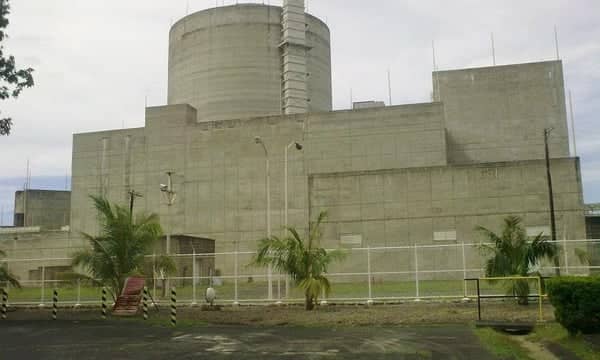

Nuclear Reactor Exports Emerge as Strategic Competition
Nuclear reactor exports are becoming a significant area of strategic competition between China and the United States in Southeast Asia. This development marks a shift where energy infrastructure is increasingly viewed through the lens of national strategy rather than solely commercial opportunity.
The intensification of this rivalry occurs within the broader geopolitical landscape of Southeast Asia, which includes ongoing military modernization efforts by various nations in the region. The intersection of civilian nuclear technology and regional security dynamics suggests that power projection extends beyond traditional naval or air capabilities into energy infrastructure dependencies.
Military Modernization Intertwines With Energy Strategy
This competition is deeply intertwined with the broader geopolitical landscape of Southeast Asia, including military modernization efforts in the region. Analysts note that as countries seek to secure their future energy needs through nuclear power, they simultaneously navigate a security environment where neighboring states are upgrading their defense capabilities.
The Diplomat reports on how New Zealand's trade agreement with India reflects a foreign policy shift, indicating broader trends in alliance structures and economic partnerships across the Indo-Pacific. Such diplomatic maneuvers often parallel developments in other sectors, including energy procurement and military hardware acquisition. While specific details of every bilateral deal remain subject to official announcements, the pattern suggests that strategic alignment is becoming more complex.
Regional Security Context
The rise of nuclear reactor exports as a competitive tool coincides with reports concerning the intensifying geopolitics of Southeast Asia's military modernization. The Diplomat has published features on how social media posts are fueling dehumanization in Malaysia, alongside coverage of political changes in New Caledonia and historical victories by the Philippines in the South China Sea.
These diverse topics illustrate the multifaceted nature of regional politics where economic interests often intersect with security concerns. The presence of nuclear technology introduces new variables into existing power equations, potentially altering how nations perceive their strategic autonomy and vulnerability to external influence.
Diplomatic Maneuvers Reflect Broader Strategic Shifts
Recent features from The Diplomat highlight various aspects of regional diplomacy that may relate indirectly or directly to the emerging competition over nuclear energy. For instance, an article titled 'New Zealand's Trade Agreement With India Reflects a Foreign Policy Shift' suggests that economic partnerships are evolving rapidly across the Indo-Pacific region.
Coverage on how social media posts fuel dehumanization in Malaysia and political developments involving New Caledonia demonstrate the complexity of modern statecraft where domestic issues can have international implications. Similarly, reports on Vietnam's economic statecraft in the global chip race underscore how technology sectors are becoming arenas for strategic competition.
Deep Sea Mining Deadlock
Economic disputes such as India and Sri Lanka's deadlock over deep sea mining further illustrate how resource extraction becomes a point of contention among regional powers. While nuclear energy represents one form of advanced infrastructure, other resources like rare earth elements critical for technology production are also subject to similar geopolitical pressures.
The Diplomat continues to publish on diverse topics including Cambodia feeling the impact of USAID's demise and indigenous rights issues in Indonesia. These stories collectively paint a picture of a region where traditional development goals compete with emerging security challenges posed by technological advancements and energy transitions.
Technology Sectors Become Arenas for Strategic Competition
The global chip race involving Vietnam demonstrates how technology sectors are becoming arenas for strategic competition parallel to the nuclear reactor export landscape. As nations vie for dominance in advanced manufacturing, they also compete over access to critical technologies that could be dual-use or have direct military applications.
Reports on India and Sri Lanka's deep sea mining deadlock highlight another dimension of resource-based geopolitical tension. While not identical to nuclear proliferation concerns, these disputes share characteristics regarding national sovereignty, environmental impact assessments, and international regulatory frameworks governing emerging industries.
Diplomatic Precedents
The Diplomat has covered how social media posts are fueling dehumanization in Malaysia's Rohingya population, illustrating non-traditional security challenges that accompany conventional geopolitical competition. Similarly, coverage of political changes in New Caledonia involving a pro-France president indicates ongoing shifts in colonial and post-colonial relationships affecting regional stability.
Historical context provided by the article '10 Years Ago, the Philippines Won a Major Victory in the South China Sea' offers perspective on how past legal victories continue to influence current diplomatic calculations. These precedents inform how nations approach new forms of competition including those involving nuclear energy and advanced technology exports.
Environmental And Social Dimensions
Coverage regarding Indonesian documentaries breaking silence on indigenous Papuans underscores the social dimensions that accompany geopolitical developments. Environmental concerns related to both deep sea mining and potential nuclear projects introduce additional layers of complexity into regional negotiations.
The Diplomat's feature on understanding China's party-state intelligence system provides insight into how information gathering capabilities influence foreign policy decisions across multiple sectors including energy procurement and military cooperation agreements.