

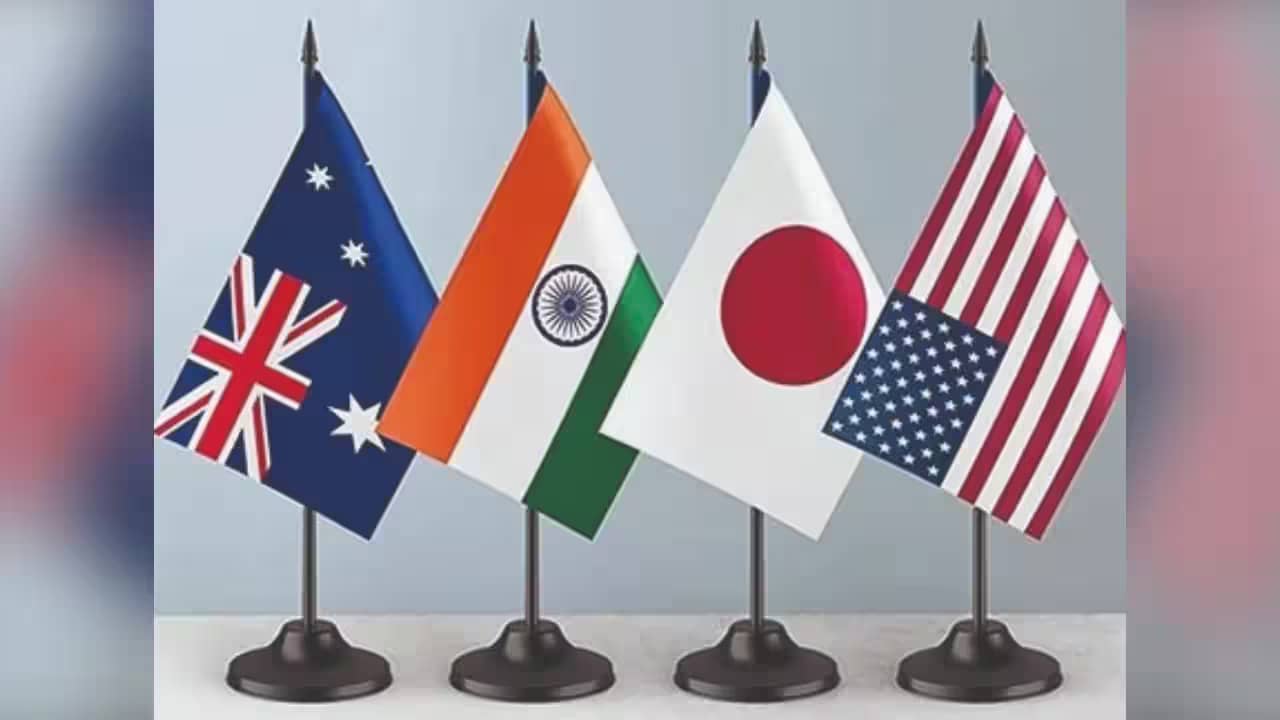

Quad Leaders to Convene in Manila Amidst Diplomatic Tensions
The leaders of India, Japan, Australia, and the United States are scheduled to meet in Manila on the sidelines of an Association of Southeast Asian Nations (ASEAN) meeting that begins on November 16. This gathering represents the first such Quad summit in two years, signaling a renewed focus on regional cooperation among the four nations.
US Secretary of State Marco Rubio confirmed the leaders' plans to meet in the Philippines, although an official announcement regarding the summit remains pending. The meeting will take place as US President Donald Trump is expected to travel to China following the summit for the Asia-Pacific Economic Cooperation (APEC) meeting.
Beijing's Opposition to Regional Alliance Activities
Chinese state-backed media have expressed strong opposition to the Quad, characterizing the alliance as a tool for geopolitical containment. The Global Times described the upcoming summit as a "hasty geopolitical manoeuvre" and a revival of a previously dormant alliance resurrected by the US administration.
An opinion piece in the Global Times cautioned that China would respond firmly against any actions attempting to use the summit to address South China Sea disputes. The publication asserted that the Quad is perceived as an attempt to interfere in China's territorial claims and counter its influence in the region.
Both Beijing and Moscow regard the Quad as an alliance formed specifically to counter China, reinforcing concerns about the implications for regional stability. The Chinese government's stance underscores its view that the group's activities are directed against its national interests.
Diverging Perspectives on the Alliance
India perceives the Quad as an initiative founded on democratic principles and a commitment to the rule of law aimed at fostering a free, inclusive, and prosperous Indo-Pacific region. This perspective contrasts with the characterization provided by Chinese state media.
However, the Global Times highlighted that India is reluctant to jeopardise improving ties with China by fully aligning with the Quad's objectives, particularly those perceived as containing China. New Delhi is also wary of making unilateral concessions regarding trade tariffs and market access in the context of these geopolitical alignments.