

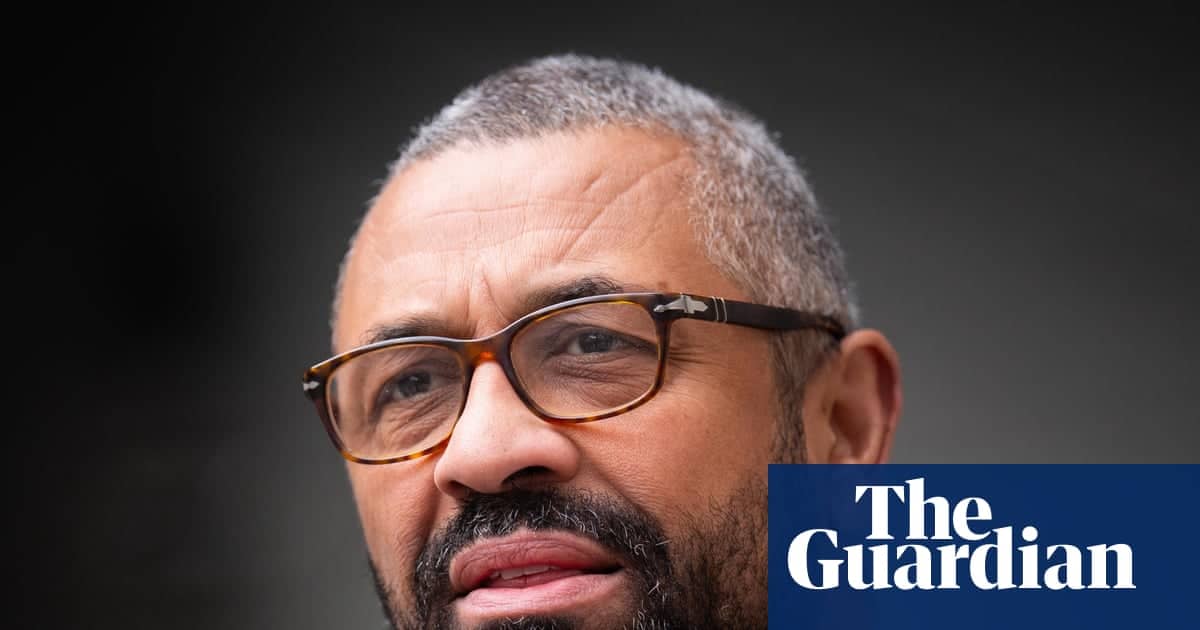

Cleverly Launches London Mayoral Campaign
James Cleverly has formally resigned from his position in the shadow cabinet, signaling a definitive step towards launching his candidacy for the office of mayor of London. This decision marks a significant moment in the Conservative Party's ongoing efforts to regain control of the capital, an office that has been held by Labour since 2016.
In a series of interviews conducted on Sunday, Cleverly began to outline his platform and strategic vision for the mayoral role. He explicitly stated his intention to run a "classically Conservative" campaign as he seeks to unseat the current mayor, Sadiq Khan. This approach suggests a deliberate effort to define his political identity through traditional party lines, while also navigating the unique and diverse political landscape of London.
Cleverly’s departure from the shadow cabinet was confirmed by his office concurrently with the announcement of his mayoral bid. This move is widely viewed as a necessary procedural step, enabling him to campaign independently and dedicate his full attention to the mayoral race, free from the immediate responsibilities and constraints of a national government role.
Defining a Conservative Approach for London
The commitment to a "classically Conservative" campaign suggests a focus on core tenets often associated with the party, such as fiscal responsibility, public safety, and efficient public services. This framing allows Cleverly to present an alternative vision to the incumbent Labour administration, potentially emphasizing different priorities for the city's governance and development. The choice of this specific descriptor also sets a particular tone for his campaign, aiming to appeal to voters who may feel alienated by other political narratives.
National Ambitions Tied to London Victory
During his Sunday interviews, particularly on LBC, Cleverly articulated a broader strategic objective that extends beyond the capital's boundaries. He asserted that a potential victory in London would serve as a crucial "stepping stone" for Kemi Badenoch to become Prime Minister. This statement directly links his local campaign for mayor to the national leadership ambitions of a prominent figure within the Conservative Party, suggesting a coordinated political strategy.
Following the announcement, Cleverly faced questions regarding the precise timing and underlying motivations behind his resignation from the shadow cabinet. He specifically denied that his decision was influenced by any perceived shift to the right under Badenoch’s leadership. Despite this denial, the explicit connection he drew between a successful London mayoral campaign and Badenoch’s future national political prospects suggests a carefully considered alignment of interests and a shared long-term vision for the party.
Critiques of Labour Rivals
In outlining his case against the current administration and potential challengers, Cleverly offered sharp criticisms of both the incumbent mayor and a prominent Labour figure. He stated that Sadiq Khan has "lost passion for the job," suggesting a decline in executive engagement, effectiveness, or commitment to the capital's welfare. This line of attack aims to question the incumbent's dedication and leadership qualities.
Cleverly also directed pointed criticism toward Andy Burnham, the Mayor of Greater Manchester and a significant figure in Labour politics. In his interview with LBC, Cleverly described Burnham as "very anti-London." This characterization frames the political contest not merely as a local election for the capital, but as a broader clash between regional interests and national governance priorities, potentially seeking to draw a distinction between London's needs and those championed by other Labour leaders.
Distinct Campaign Tone Avoids "Culture Wars"
A notable and perhaps defining aspect of Cleverly’s initial pitch for the mayoralty has been his deliberate approach to contentious social issues. During his Sunday interviews, he actively avoided speaking about "culture war" issues. This omission stands in stark contrast to the significant focus these topics have received under the current national Conservative leader, suggesting a strategic divergence in messaging for the London context.
By sidestepping these often divisive debates in his early campaign statements, Cleverly appears to be prioritizing other aspects of his platform that he believes resonate more strongly with London's diverse electorate. The Guardian reported that this avoidance was a deliberate feature of his pitch to voters, serving to distinguish his initial messaging from the broader ideological battles that are currently shaping national Conservative discourse. This strategy may be an attempt to appeal to a wider range of voters in a city known for its progressive leanings.
Initial Media Engagements and Public Reception
Cleverly’s comments and strategic outlines were made during multiple media engagements on Sunday, ensuring widespread coverage of his nascent campaign. His specific remarks regarding Sadiq Khan’s perceived lack of passion and Andy Burnham’s alleged "anti-London" stance were attributed directly to him in reports covering the LBC interview. These claims are presented as direct assertions made by Cleverly during these public appearances, setting the stage for his campaign narrative.
As the campaign progresses, political observers will closely monitor how Cleverly manages to balance his stated goal of supporting Kemi Badenoch’s national ambitions with the immediate and often demanding realities of a mayoral race in one of the most politically diverse and complex regions in the United Kingdom. The outcome of this contest will not only determine the leadership of London for the next term but also potentially influence the Conservative Party's broader national trajectory and its ability to connect with urban voters.