

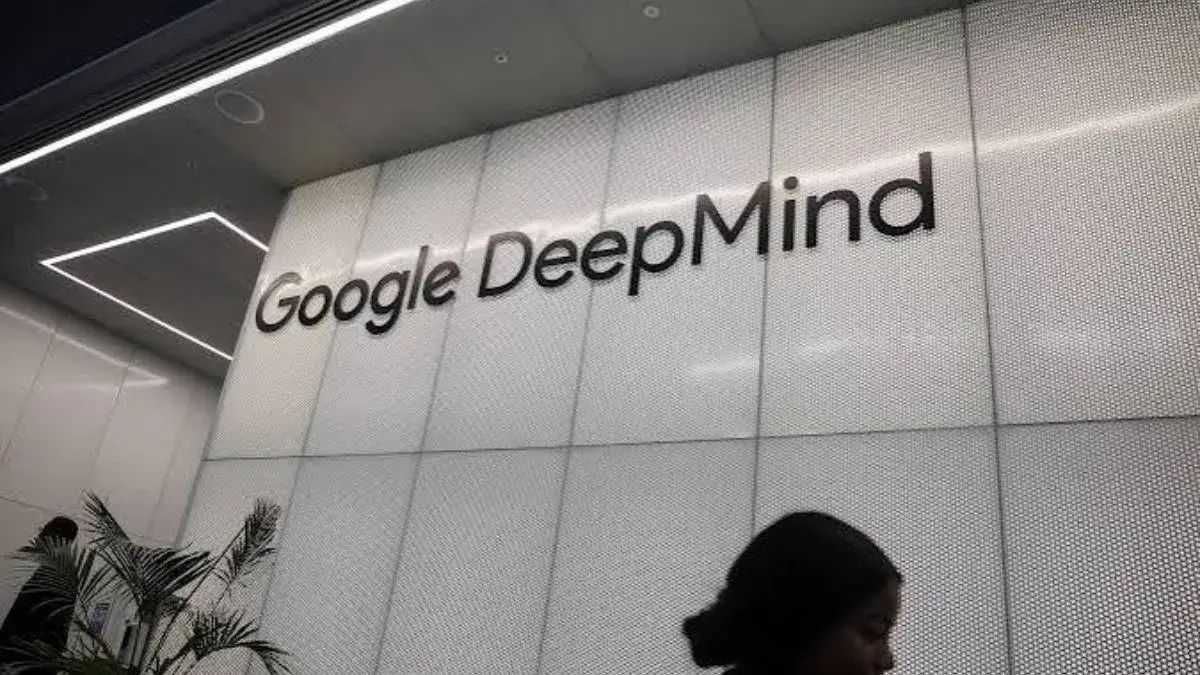

Resignations Signal Internal Dispute Over Military AI Contracts
Several Google DeepMind employees have resigned from their positions, citing the company's involvement with artificial intelligence in military operations as the primary reason for their departure. The departures highlight growing internal dissent regarding safeguards and human oversight in warfare, particularly concerning agreements between Google and the US Department of Defence, according to reports from The Daily Jagran.
Sofia Liguori, a London-based research engineer at DeepMind, resigned this week. In an interview with the BBC, Liguori stated that realizing her company is pushing for AI systems in military operations makes her feel ashamed to work at Google.
Andreas Kirsch, an AI researcher who resigned earlier this month, echoed these concerns regarding the scope of government access. Kirsch stated that Google appears to have no right to control or veto how the Pentagon uses its AI and has limited visibility into its deployment.
Pentagon Agreement Expands Scope of Government Use
The resignations follow reports that Google signed an agreement with the US Department of Defence in April 2026. According to Reuters, this contract allows the Pentagon to use Google's AI models for classified government work for "any lawful government purpose." Employees fear this agreement could expand the scope of the US government's use of the company's technology while limiting Google's ability to monitor how systems are used in classified contexts.
The contract text specifies that technology should not be used for domestic mass surveillance or autonomous weapons, including target selection, without appropriate human oversight and control. However, the agreement also limits Google's ability to control or veto lawful government operational decisions.
Employees worry that the systems could be deployed in warfare without adequate safeguards, raising questions over whether human operators would remain sufficiently involved in critical military applications.
Oversight Concerns and Historical Precedent
The current dispute mirrors previous tensions between Google employees and the company's military contracts. In 2018, Google workers signed a letter objecting to Project Maven, a Pentagon initiative using AI to analyze drone imagery. That pressure led the company to choose not to renew the contract when it expired in 2019.
External experts have also raised questions about the feasibility of oversight in high-speed military environments. Sarah Shoker, formerly head of OpenAI's Geopolitics team, warned the BBC that reviewing large numbers of AI-selected targets within a short time could make meaningful human oversight difficult.
Google Defends Contract Terms and Employee Channels
A Google spokesperson addressed the concerns surrounding the Pentagon deal, stating that the company follows its acceptable use policies and AI principles when entering public-sector contracts. The spokesperson noted that Google has channels for employees to raise concerns and policies designed to prevent retaliation.