

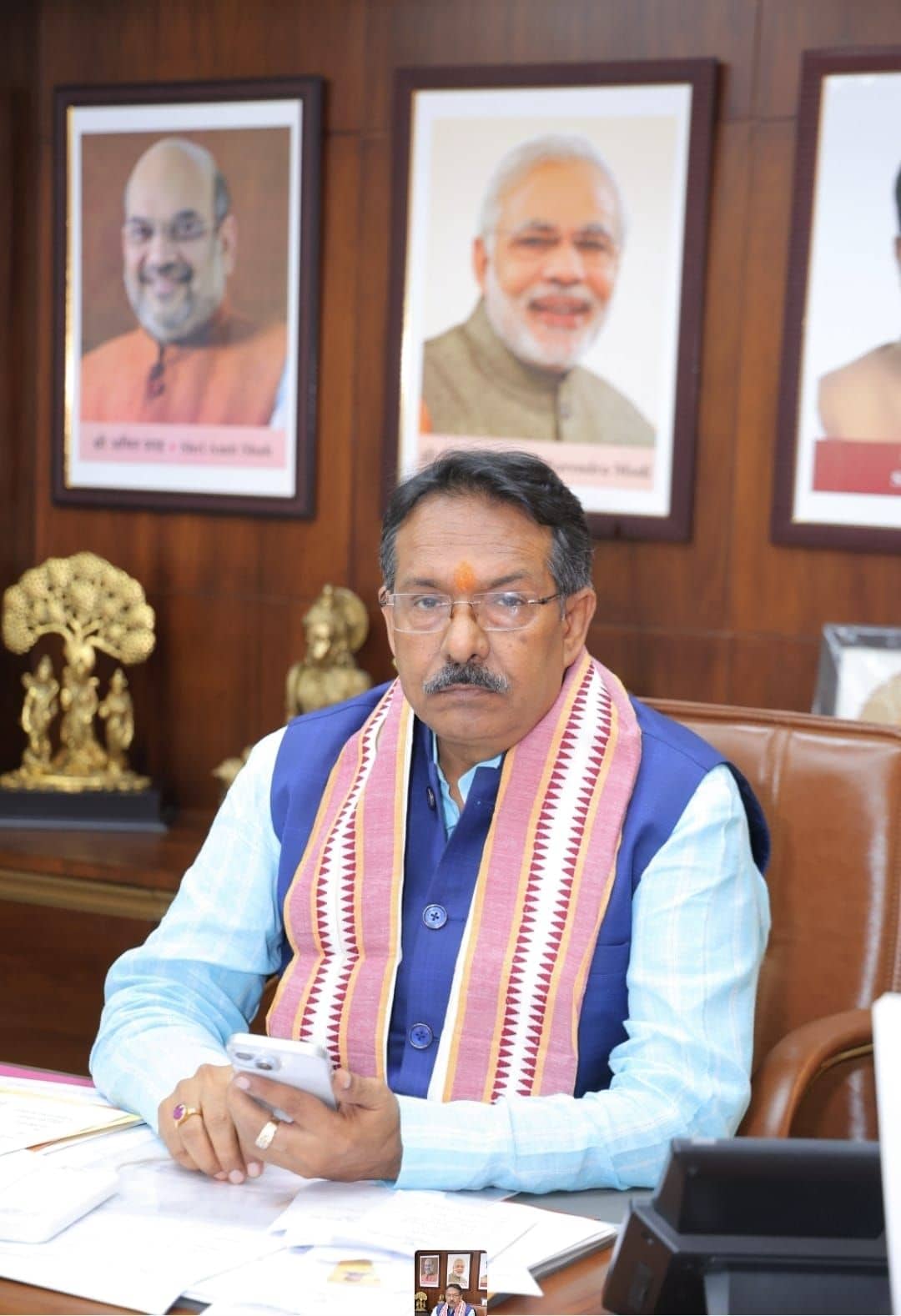

Malhotra Characterizes AAP Chief’s Criticism as Anarchic Politics
New Delhi, Aug 31 — Delhi BJP President Harsh Malhotra launched a sharp critique of Aam Aadmi Party chief Arvind Kejriwal on Monday, accusing the former chief minister of engaging in "anarchic politics" following his doubts about the recently released draft electoral roll. The controversy stems from the publication of the draft poll roll by the election office in Delhi after the completion of the Special Intensive Revision (SIR) process.
According to Malhotra, Kejriwal’s criticism of the Election Commission of India (ECI) regarding this revision is a clear reflection of his political style. In a statement released on Monday, Malhotra described Kejriwal as an "anarchic politician who specialises in spreading confusion and making false statements." The BJP leader asserted that the former chief minister’s actions were designed to mislead the public rather than address administrative procedures.
The dispute centers on the significant reduction in voter listings within the national capital. Malhotra noted that the draft poll roll published following the SIR exercise resulted in nearly 47 lakh fewer names or votes being recorded in Delhi’s electoral rolls compared to previous records. This substantial decrease in the number of registered voters has become the focal point of the political exchange between the ruling Aam Aadmi Party and the opposition BJP.
Claims Regarding Voter Registration and Supporter Eligibility
Addressing the reasons behind the drop in voter numbers, Malhotra provided a specific explanation for Kejriwal’s alleged dissatisfaction. The Delhi BJP President stated that the AAP chief’s problem originates from his own supporters who had been registered at multiple locations. According to Malhotra, these individuals were removed from the electoral roll as part of the standard revision process, which aims to eliminate duplicate entries.
"Kejriwal’s problem is his supporters, registered at multiple places, are removed from poll roll," Malhotra said. He framed the criticism not as a legitimate concern about democratic participation, but as a reaction to the loss of votes that were previously counted due to registration errors or manipulations.
The BJP leader emphasized that the removal of these names was a direct consequence of the revision process targeting individuals who had violated single-residency rules for voting. By characterizing Kejriwal’s response as an attempt to spread confusion, Malhotra sought to delegitimize the AAP chief’s objections to the ECI’s methodology.
ECI Defends Transparency of the SIR Process
In defense of the Election Commission of India, Malhotra affirmed that the ECI conducted the SIR exercise in Delhi with complete transparency. He stated that the commission followed established protocols similar to those used across the country during previous electoral revisions.
Malhotra highlighted that sufficient time was provided to voters during the process. Every voter was given the opportunity to submit forms and rectify any discrepancies in their registration details. The BJP President argued that the procedure allowed for adequate public participation and verification, ensuring that the final roll would be accurate and free from duplicates.
The Delhi BJP chief’s comments come shortly after the draft electoral roll was made available for public scrutiny. The release of this document has intensified political rhetoric in the capital, with the opposition party challenging the integrity of the revision process while the ruling party maintains that the changes reflect a correction of past inaccuracies.
Political Implications of the Revised Roll
The reduction of nearly 47 lakh names from Delhi’s electoral rolls represents one of the most significant changes to the city’s voter base in recent history. The timing of the draft roll’s release, coupled with Kejriwal’s public criticism, has drawn attention to the potential impact on upcoming elections.
Malhotra’s assertion that the AAP chief is "specialising in spreading confusion" suggests that the BJP views the dispute as a tactical maneuver by the opposition. By labeling the criticism as an expression of "anarchic politics," the Delhi BJP leadership aims to portray Kejriwal as disregarding institutional processes in favor of political gain.
As the final electoral roll is prepared, the focus remains on whether any further corrections will be made based on public feedback during the draft period. The ECI has not issued a separate statement addressing Malhotra’s specific claims regarding Kejriwal’s motives, but the commission’s adherence to standard procedures across India was cited by Malhotra as evidence of the process's legitimacy.
The dispute underscores the ongoing tension between Delhi’s state government and central electoral authorities. With the draft roll now in the public domain, voters have a window to verify their names and addresses before the final list is published. The outcome of this revision will determine the composition of the electorate for future polls in the national capital.
Malhotra concluded his remarks by reiterating that the ECI’s actions were lawful and transparent. He maintained that any dissatisfaction expressed by political leaders should be directed at their own constituents’ compliance with registration rules, rather than at the election commission’s administrative efforts.