

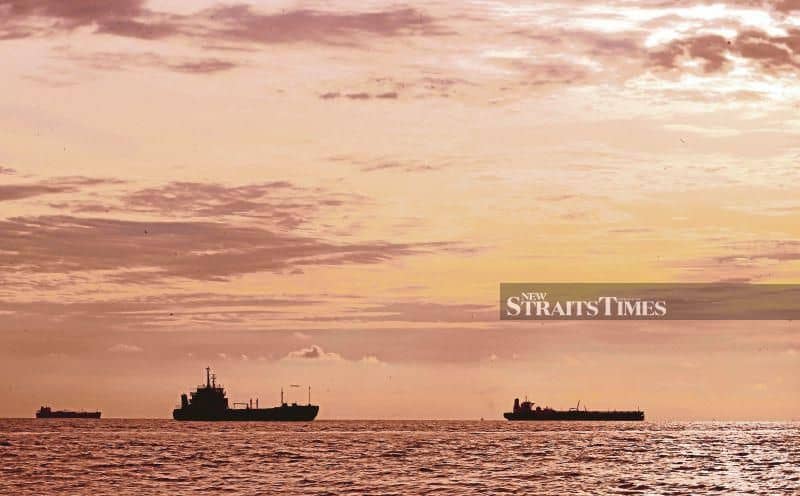

The central argument regarding leadership in the maritime industry
A recent publication titled "Cultivating visionary policymakers in maritime education" appeared under the opinion section of New Straits Times. The text asserts that determining the trajectory of the future for the maritime sector will not be determined solely by those who navigate ships.
Instead, according to the source material provided on the platform at URL https://www.nst.com.my/opinion/letters/2026/07/1490245/cultivating-visionary-policymakers-maritime-education, success depends upon individuals who possess vision, knowledge, and courage. These specific attributes are necessary to shape the policies that guide the industry.
The letter identifies a distinct gap in current educational or professional models where operational skills may be prioritized over policy-making capabilities. The text posits that those operating vessels must not be viewed as the sole architects of the sector's destiny. Rather, there is an urgent need for a new class of leaders who can influence regulatory frameworks and strategic directions from within the education system.
The source emphasizes that developing visionary policymakers in maritime education is crucial for ensuring the longevity and adaptability of the maritime sector. This approach suggests that traditional training methods focusing purely on navigation require supplementation with curricula designed to foster policy formulation skills.
Defining the necessary attributes for future leaders
The publication outlines three specific characteristics required for these emerging leaders: vision, knowledge, and courage. The text does not elaborate extensively on the definitions of these terms but presents them as a triad essential for shaping guiding policies.
Vision is described implicitly through the context that individuals must look beyond immediate operational challenges to anticipate future industry needs. Knowledge refers to the academic or professional understanding required to understand complex maritime regulations and economic drivers. Courage, in this specific context of policy-making within education, implies the willingness to challenge existing norms or propose innovative regulatory structures.
The source notes that these attributes are not naturally occurring traits but must be cultivated through deliberate educational intervention. The letter suggests that without an explicit focus on developing these qualities during the formative stages of a maritime professional's career, the industry risks stagnation or misalignment with future global demands.
Implications for policy and education systems
The argument presented in the New Straits Times piece extends to the broader implications for how maritime education is structured. If the sector depends on individuals who can shape policies, then educational institutions must integrate modules that teach policy analysis alongside technical skills.
Current models of training may prioritize seamanship and navigation proficiency. However, the letter argues this focus is insufficient if it excludes the development of policymakers. The text implies a shift in resource allocation where funding or attention previously directed solely at operational training might need to be redirected toward curriculum design that fosters leadership.
The source indicates that this transformation is not merely an academic exercise but a strategic necessity for the maritime sector's survival and growth. By failing to cultivate these specific leaders, the industry may find itself ill-equipped to handle future geopolitical or economic shifts that require robust policy responses.
Source attribution and publication details
The content originates from New Straits Times, a media outlet owned by Media Prima Group. The article was published on July 14, 2026, as indicated in the URL path of the source provided: /opinion/letters/2026/07/. The publication is part of the Nation brand family within the group.
The text includes standard navigational elements typical of online news portals, such as links to subscribe for live updates, sections for ASEAN Business Times, Life & Times, and Sports. These interface elements frame the core opinion piece but do not alter its substantive claims regarding maritime education.
Copyright notices identify New Straits Times Press (M) Bhd with Co. No. 196101000449 / 4485 H as the publisher, noting it is a part of Media Prima Group. The article also references various media properties under the group's umbrella, including NST TV and podcasts on platforms like HOT FM, Kool FM, Eight FM, FLY FM, MOLEK FM, and Nation.
Additional sections visible in the source context include coverage for a 2026 World Cup event, classifieds advertising, audio services via Get Audio+, and lifestyle content such as Heal BOTS. These surrounding elements provide the digital environment where the core letter about maritime education is hosted but remain distinct from the factual claims of the opinion piece itself.
The disclaimer section references compliance with Personal Data Protection Act regulations. Contact information for readers to reach out to New Straits Times Press (M) Bhd is also present in the source layout, ensuring transparency regarding publisher identity and legal standing.