

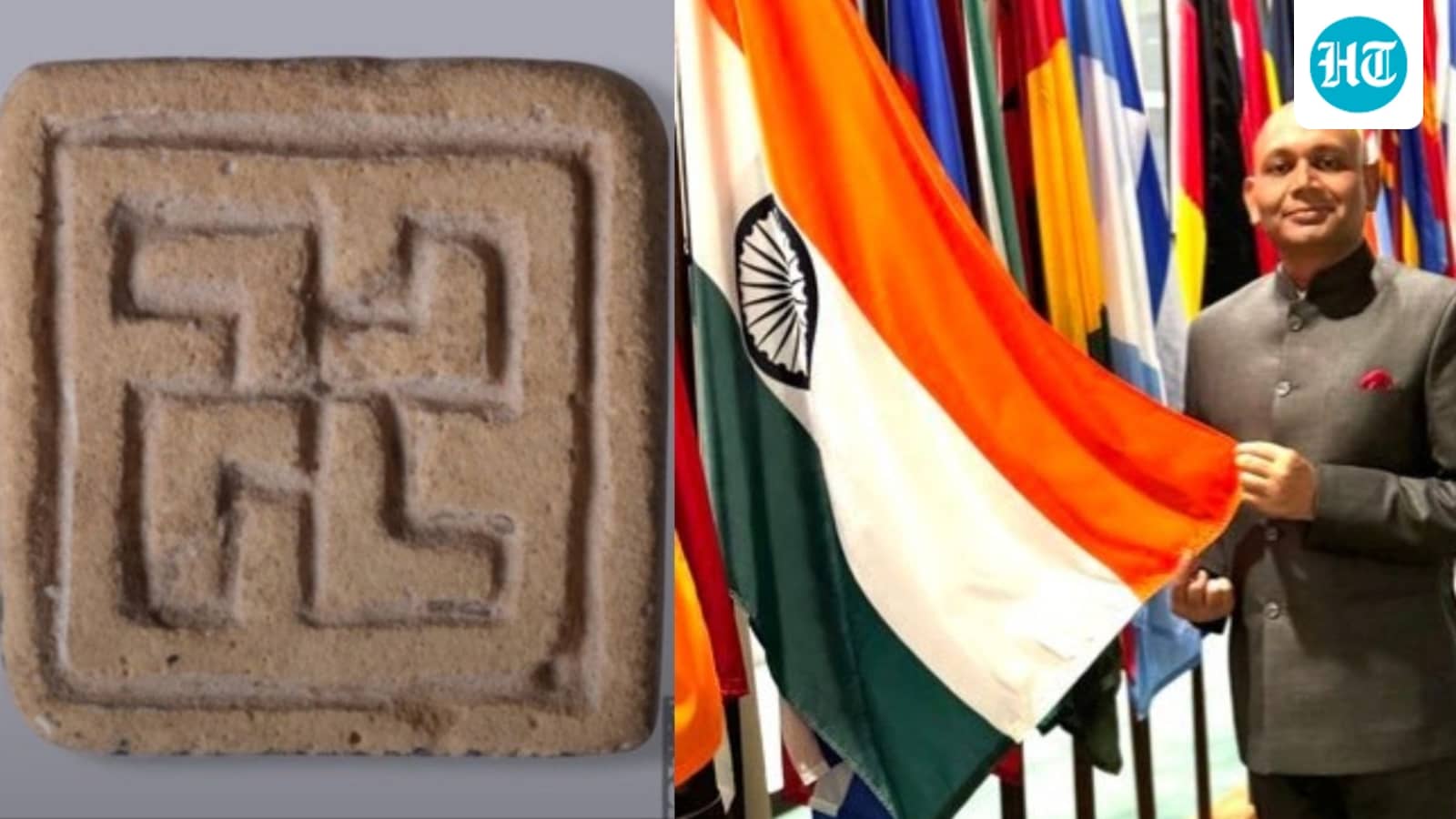

Diplomatic Statement Amidst Strained Relations
A senior Indian official, identified as Ambassador Abhay Kumar, has publicly addressed the current state of foreign policy engagement between India and Azerbaijan. The diplomat made a notable statement regarding an ancient symbol known globally by various names but specifically linked to shared cultural heritage in this context.
The announcement occurred on Thursday, July 16, 2026, at approximately 13:21 IST. This timing places the event within the broader timeline of ongoing diplomatic interactions between New Delhi and Baku. The statement was issued as part of a series of communications aimed at managing the relationship dynamics.
According to reports from Hindustan Times, Ambassador Kumar's post comes against the backdrop of a relationship that has faced significant strain in recent months. This characterization is provided directly by the reporting outlet covering the event.
The diplomat invoked an ancient symbol described as connecting India and Azerbaijan. The specific invocation was intended to serve a diplomatic function: strengthening ties between the two nations despite existing tensions. Kumar's remarks appear designed to mend or stabilize relations following recent friction points that have emerged in bilateral exchanges.
Context of Recent Diplomatic Friction
The article text notes that New Delhi seeks to stabilise its relations with Azerbaijan after months of diplomatic friction. This framing suggests a strategic shift intended to repair the status quo ante before recent disruptions occurred.
No specific details regarding the nature or origin of this friction are provided in the available source context beyond the general description of 'significant strain' and 'recent diplomatic friction.' The sources do not attribute these tensions to specific incidents, policy disagreements, or third-party geopolitical events. Consequently, any attempt to list causes for the tension would constitute an inference rather than a reported fact.
The focus remains on the reaction to this situation: the invocation of cultural symbols by Indian leadership. This approach contrasts with other diplomatic strategies that might involve direct negotiation of policy disputes or public statements from Azerbaijani officials regarding their own stance on the matter.
Cultural Symbolism in Geopolitics
Abhay Kumar's post highlights a specific historical connection between the two countries. The symbol referenced is an ancient one, carrying weight in both Indian and Central Asian cultural histories. By bringing this element to the forefront of diplomatic discourse, the official aims to leverage shared heritage as a stabilizing factor.
The choice of timing for such a statement—July 16, 2026—is noted by the publisher Hindustan Times. The date aligns with periods when high-level engagement is often sought in international relations to reset or reinforce partnerships.
Implications and Reporting Details
The reporting from HT Digital Streams Ltd describes the move as part of a broader effort to manage India-Azerbaijan ties. The article explicitly states that this action represents an attempt by New Delhi to stabilize its relations with Azerbaijan after months of friction.
Hindustan Times, based in New Delhi, published the story under the headline: 'Swastika connects India and Azerbaijan': Indian diplomat invokes ancient symbol amid strained ties. This title reflects the core content reported by the outlet regarding Ambassador Kumar's actions.
The article was written by Anagha Deshpande. The publication includes standard navigational elements such as sections for India News, World News, Business, Technology, and Sports. These categories indicate the breadth of coverage provided by the digital news platform but do not alter the specific facts regarding the diplomatic statement.
The source text notes that the official's post comes against a backdrop of significant strain in recent months. This phrasing attributes the assessment of 'strain' to the reporting context rather than inventing a cause for it. The article does not provide further elaboration on what constitutes this strain beyond the general descriptor provided by the news organization.
There are no reported responses from Azerbaijani officials included in the source text provided for analysis. Without explicit attribution of statements to Baku or other third parties, any discussion of their reaction would be speculative and thus excluded under strict adherence to available facts.
Publisher Context and Attribution
The Hindustan Times article includes standard footer information regarding copyright, privacy policies, terms of use, and subscription options. These elements are part of the digital publication's structure but do not inform the geopolitical content itself. The publisher identifies as HT Digital Streams Ltd.
Copyright is held by HT Digital Streams Ltd with all rights reserved. This legal notice applies to the text provided in the source context regarding the diplomatic statement and its reporting.
The article was updated on July 16, 2026 at 13:21:56 IST. The initial publication date matches this update time according to the metadata presented in the source block. No earlier or later dates are indicated for the specific story regarding Ambassador Kumar's statement.
The text notes that New Delhi seeks to stabilise its relations with Azerbaijan after months of diplomatic friction. This sentence summarizes the intent behind the diplomat's actions as understood by the reporting entity. It does not assert a guarantee of success but rather states the objective driving the invocation of the symbol.