

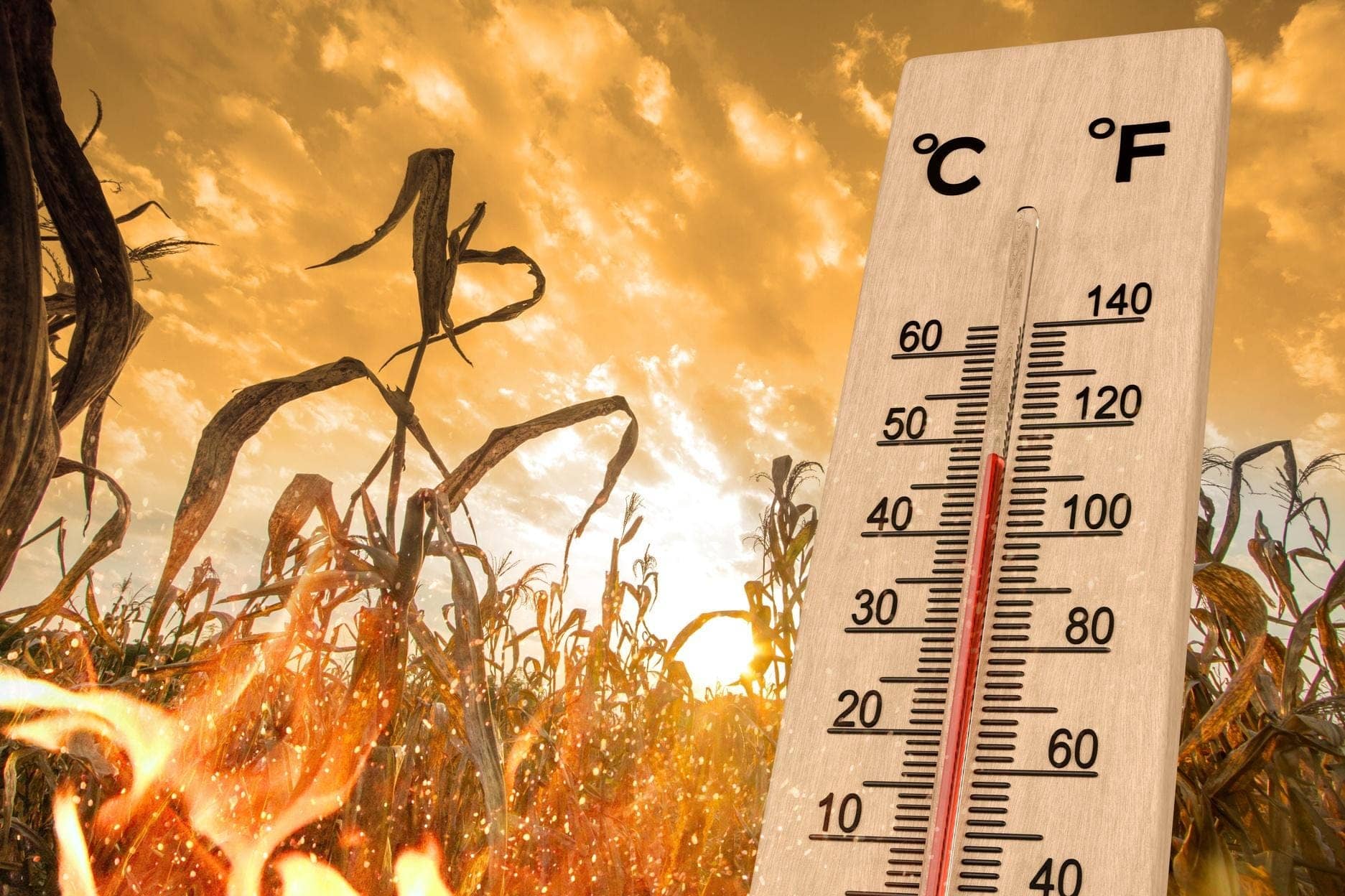

Economists are projecting a significant shift in market dynamics for the year 2027. According to analysis published on Forbes regarding future price trends, experts anticipate that extreme heatwaves occurring during the summer months will lead to elevated food prices by next July. This projected increase is expected to potentially exceed the impact of conflict-driven inflation associated with ongoing geopolitical instability.
The Economic Forecast for 2027 Food Prices
Financial analysts and economists have identified a specific timeline where climate-related economic pressures are set to outpace traditional war-induced costs. The research notes indicate that the primary driver for this forecast is weather patterns rather than supply chain disruptions caused by military action.
"Economists anticipate that heatwaves occurring in the summer will lead to higher food prices in 2027, potentially exceeding the impact of conflict."
Specifically, experts cited in the source material suggest that the economic consequences of rising temperatures on agricultural output could overshadow other factors. The term used by these economists to describe this phenomenon is "climateflation." This specific terminology was introduced to categorize the direct correlation between climate change events and consumer price increases.
The forecast covers a broad range of economic indicators beyond just produce at local markets. As noted in the source context, the definition provided for this term includes its effect on various aspects of personal finance. The analysis states that "climateflation" affects everything from grocery bills to mortgage rates. This suggests a systemic link between environmental conditions and broader financial obligations faced by households.
Comparative Impact Analysis
The central thesis presented in the source material focuses on a comparison of two distinct inflationary forces: climate events and geopolitical conflict. The article text explicitly addresses why economists expect this summer's heatwaves to drive 2027 food prices more than the war involving Iran.
"Economists expect this summer's heatwaves to drive 2027 food prices more than the Iran war."
While global conflicts often disrupt supply chains and create uncertainty, the source argues that climatic factors present a different magnitude of risk for agricultural commodities. The prediction relies on the premise that weather events will have a quantifiable impact greater than current or anticipated military engagements in regions such as the Middle East.
Defining Climateflation Across Economic Sectors
The source provides specific details regarding how this economic phenomenon manifests across different sectors of the economy. The term "climateflation" is not limited to food production alone but extends into other financial metrics relevant to consumers and businesses alike.
"Climate change driving up prices, affecting various economic aspects from grocery bills to mortgage rates."
Analysts explain that the mechanism involves climate change directly driving up costs. This increase is not isolated to a single commodity but ripples through multiple channels of consumer spending and lending.
The Grocery Bill Connection
For individual consumers, the primary visible indicator of this trend will be found at local retail outlets. The source explicitly mentions "your grocery bill" as one of the key areas affected by these economic shifts. As heatwaves intensify during critical growing seasons or harvest times, supply constraints are expected to translate directly into higher prices for shoppers.
The Mortgage Rate Correlation
Perhaps less intuitive but explicitly stated in the source context is the link between climate events and housing finance costs. The analysis claims that these price drivers also affect "your mortgage rate." This suggests a broader economic theory where inflationary pressures from weather events influence central bank policies or risk assessments for lenders, thereby impacting borrowing costs.
Geopolitical Context Versus Environmental Reality
The source material situates this forecast within the current geopolitical landscape. The text specifically references "the Iran war" as a point of comparison against climate-driven inflation. By placing these two factors side by side, economists aim to recalibrate how markets assess risk.
"Why Climate Change Raises Food Costs More Than War."
The title and content of the source emphasize that environmental variables are becoming a dominant factor in economic modeling. While conflicts like those involving Iran create immediate logistical hurdles, the long-term projection favors climate events as a more potent driver of price increases.
Implications for Market Stability
The distinction drawn by economists is significant because it shifts focus from traditional security concerns to environmental preparedness. The source implies that future economic stability will depend heavily on managing weather risks rather than solely mitigating the effects of international disputes.
"Climate Change May Raise Food Costs More Than Conflict Does."
By attributing this potential price surge to heatwaves, the source provides a clear causal link. The prediction is that the physical reality of rising temperatures will impose costs on consumers that rival or surpass those generated by active warfare.