


Low Turnout and National Shifts Define Election Outcome
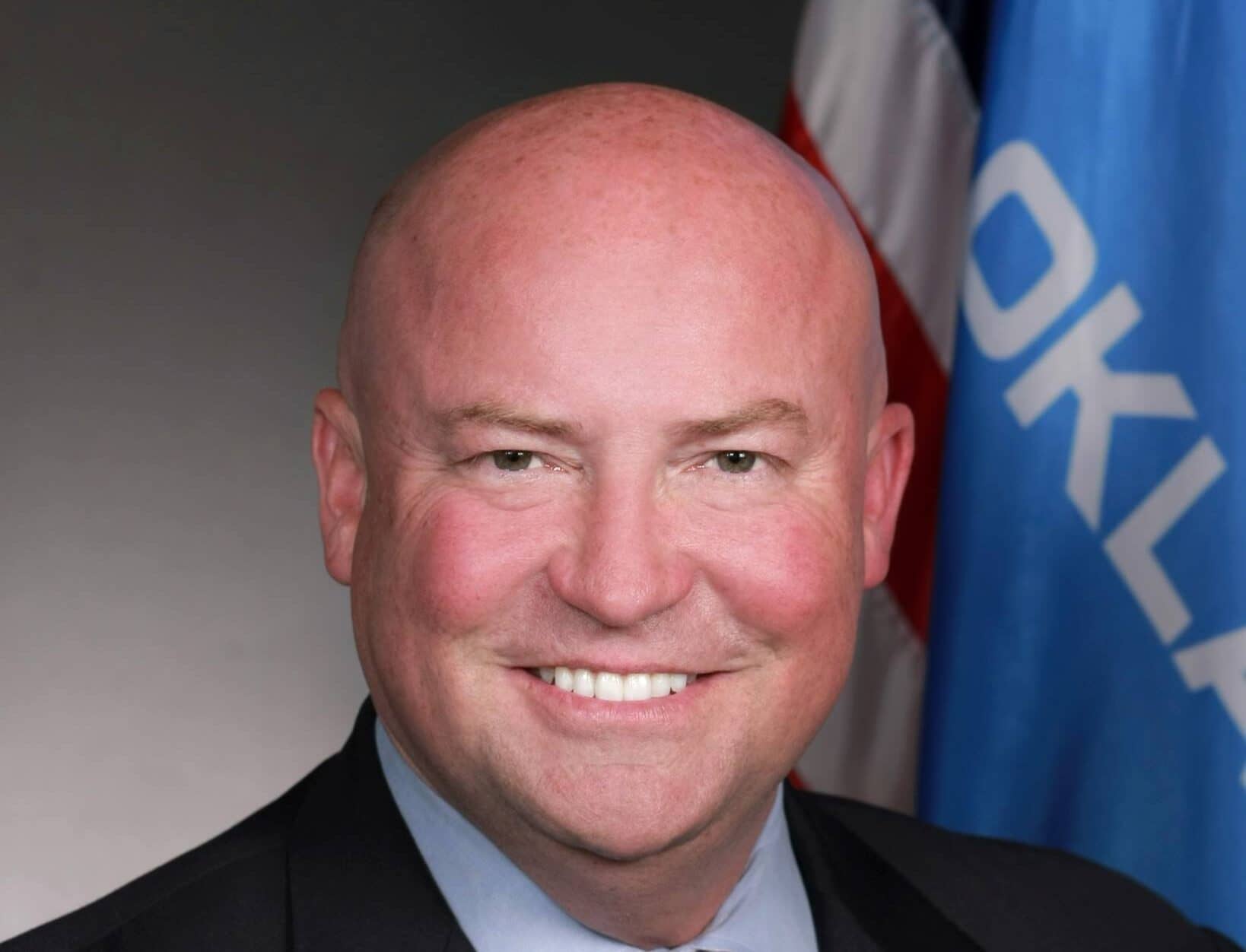
Oklahoma’s General Election concluded with an estimated voter turnout of approximately 45%, a figure that remains one of the lowest in the nation, according to Joe Dorman. This participation rate represents a decline of about five percent compared to the 2022 midterm election.
While state-level participation dropped, national results showed significant shifts in power. Democrats secured majorities in both the US Senate and the House of Representatives. Additionally, states elected a majority of Democratic governors for the first time since 1994.
Within Oklahoma, six state House of Representatives seats held by Republicans shifted to Democrats. These changes included one seat in Tulsa, one open seat in Lawton, and four seats in Oklahoma County.
Dorman noted that earlier this year, voters sent home many members of the "Freedom Caucus" during Primary Elections, leaving more moderate Republicans in their place. Exit polling indicated a strong national pushback against several of the President’s policies, including his handling of the economy.
Factors Influencing Voter Participation
The timing of the election saw legislative adjustments that did not prevent the turnout decline. Lawmakers added an extra day of early voting for in-person absentee ballots on the Wednesday before the election.
Dorman suggested that accusatory commercials aired during the "silly season" likely discouraged voters. He stated that these ads suppressed turnout by causing disgust with the political process.
Advocacy and Policy Implications
The Oklahoma Institute for Child Advocacy (OICA) continues to work with officials regardless of party affiliation. The organization aims to share youth-related data to help shape decisions affecting children in the state.
Dorman highlighted potential federal impacts on state budgets, noting that Congress may extend penalty deadlines in the "Big Beautiful Bill" regarding error rate requirements on social safety net programs. He warned that failure to delay these penalties could devastate state budgets.
According to Dorman, elected officials have an opportunity to ensure children are well-educated, have access to insurance coverage for improved health, live safely from abuse, and be properly fed. He argued that if Oklahomans are not given opportunities for success at an early age, they will likely not achieve their fullest potential, which would increase governmental costs in the future.
Dorman emphasized that "We, the People" must assume responsibility to ensure officials live up to standards regardless of party affiliation for change to occur.