

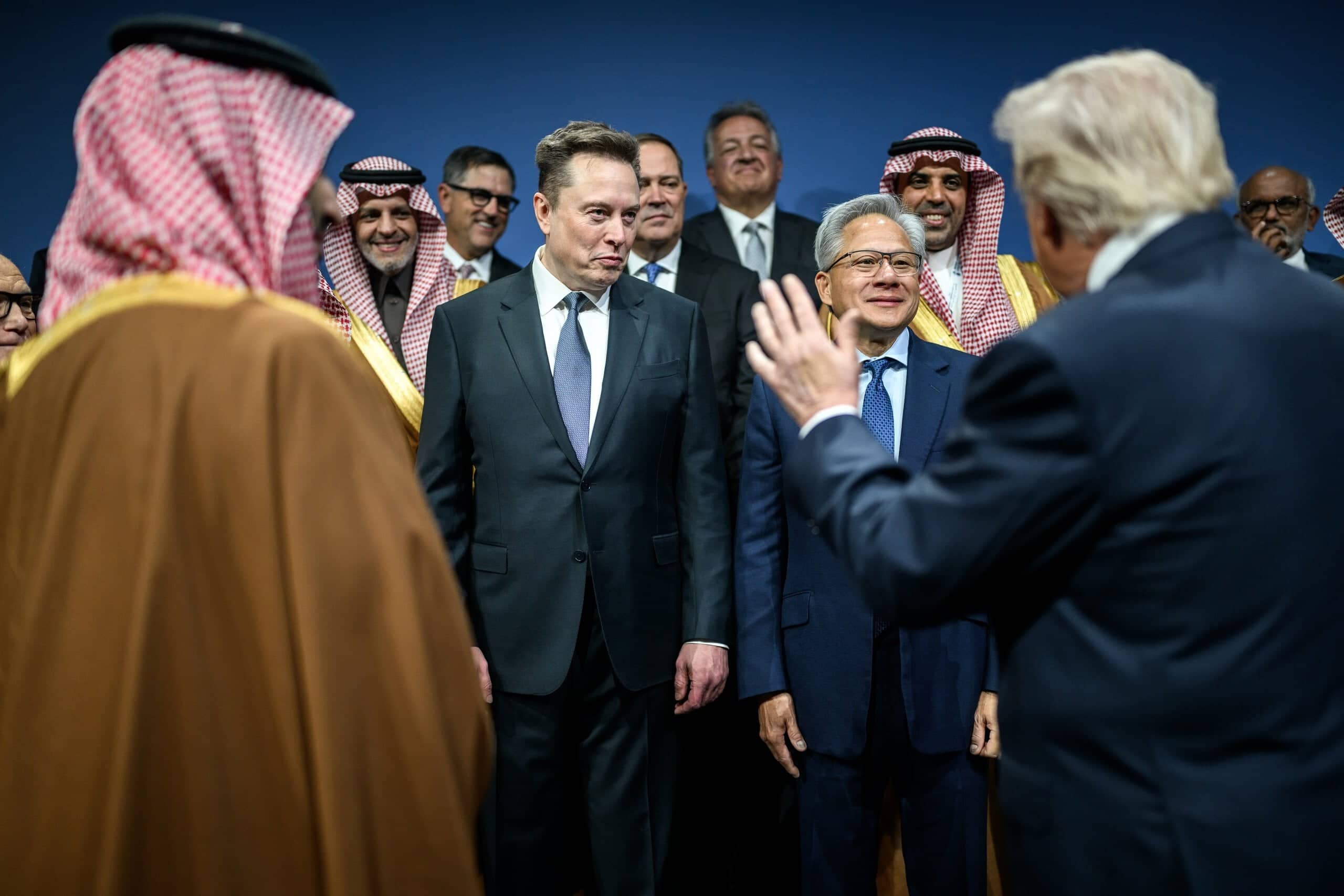

Emerging Collaboration Between Tech Leaders
A potential partnership between Elon Musk and Jensen Huang is currently emerging within the technology industry. This developing alliance involves two of the most prominent figures in global tech: Musk, the chief executive officer of Tesla and SpaceX, and Huang, the chairman and chief executive officer of Nvidia. The nature of this collaboration has been described as having the capacity to shape the future technology landscape significantly, potentially leading to a new paradigm in artificial intelligence and autonomous systems.
Industry observers note that the partnership could lead to the creation of what is being termed the "next era of technology." While specific operational details have not been publicly disclosed in official press releases, the alignment of their respective corporate interests suggests a strategic convergence. Musk’s companies are heavily invested in artificial intelligence, autonomous driving, and advanced computing infrastructure, including the development of his AI startup xAI and the supercomputing capabilities of Tesla's Dojo. Huang’s Nvidia dominates the market for graphics processing units (GPUs) and AI accelerators, which are critical components for training large language models and running complex computational tasks, further bolstered by its comprehensive CUDA software platform and extensive developer ecosystem. This potential synergy between cutting-edge AI hardware and large-scale AI deployment could create a vertically integrated technology powerhouse.
Implications for Industry Control
The implications of this partnership may include a reshaping of control within the technology sector. Analysts suggest that the combined resources and technological capabilities of Tesla and Nvidia could significantly alter the competitive dynamics of the artificial intelligence market. Such a collaboration is reported to have the potential to influence who controls key aspects of future technological development, from the foundational hardware and software stacks to the deployment of AI in real-world applications like autonomous vehicles and robotics. This could lead to a concentration of power in critical areas of innovation, potentially setting new industry standards and influencing the direction of future research and development.
Strategic Alignment for Advanced Systems
The focus of this emerging partnership appears to be on the integration of high-performance computing with advanced autonomous systems. Nvidia’s hardware provides the computational power necessary for Musk’s ventures into self-driving technology and robotics, specifically through Tesla’s Full Self-Driving (FSD) software and its Optimus humanoid robot project. Nvidia's advanced GPUs, such as the H100 and GH200, are essential for training the massive neural networks that underpin these complex AI systems. Furthermore, Nvidia's Omniverse platform could offer a robust simulation environment for training and validating autonomous systems, complementing Tesla's real-world data collection. This synergy is viewed by some as a foundational element for the next phase of technological advancement, enabling more sophisticated and reliable AI deployments.
Market Reaction and Public Perception
Financial markets have responded to reports of this potential alliance with interest. Shares of Nvidia have shown volatility in recent weeks as investors assess the potential impact of a deeper integration between hardware supply and autonomous vehicle software development. The prospect of Tesla becoming an even larger anchor customer for Nvidia's high-end AI chips could significantly boost Nvidia's revenue and market position, while also presenting risks related to customer concentration. Musk’s influence on public discourse regarding artificial intelligence safety and development adds another layer of complexity to how this partnership is perceived by regulators and competitors alike. His outspoken views on AI's potential and risks could shape public and governmental attitudes towards such a powerful alliance.
Uncertainty Surrounding Formal Agreements
Despite the growing speculation, no formal agreement has been announced. The reports indicating a "new partnership" are based on emerging trends and strategic overlaps rather than official documentation or joint ventures. Both Musk and Huang have not issued joint statements confirming the specifics of this collaboration, leaving the exact nature and scope of any potential alliance open to interpretation.
Regulatory Scrutiny and Market Dominance
Regulatory bodies may scrutinize any formalized alliance given the dominant market positions held by both companies. Concerns regarding antitrust implications could arise, particularly if the partnership is seen as creating an unfair competitive advantage or limiting access to critical AI infrastructure for other players. Questions regarding data privacy standards also remain unresolved, especially concerning the vast amounts of real-world data collected by Tesla's vehicles and how such data might be leveraged or shared within a deeper partnership. The lack of concrete details leaves the exact scope, duration, and potential regulatory hurdles of the potential partnership open to interpretation, adding an element of caution for investors and industry observers.
Competitive Landscape in AI Development
Other major technology firms, including Microsoft, Google, and Amazon, are also investing heavily in AI infrastructure and developing their own custom AI chips and software platforms. Microsoft, through its significant investment in OpenAI and its Azure AI services, is a formidable player. Google boasts its DeepMind AI research and Tensor Processing Units (TPUs), while Amazon is expanding its AWS AI services and developing custom silicon for machine learning. The emergence of a Musk-Huang alliance could intensify competition for talent, computing resources, and market share in the AI sector. Competitors are monitoring the situation closely to determine if this partnership will set new industry standards, accelerate the pace of innovation, or create barriers to entry for smaller firms struggling to compete with such integrated capabilities.
Future Technology Landscape
The potential creation of the next era of technology through this collaboration is a subject of significant debate among tech experts. Proponents argue that combining Nvidia’s unparalleled chip architecture and AI software stack with Tesla’s extensive real-world data, advanced autonomous systems, and deployment networks could accelerate innovation in areas like general artificial intelligence, advanced robotics, and intelligent infrastructure at an unprecedented rate. They foresee a future where highly integrated hardware and software solutions drive breakthroughs in various industries, from transportation to manufacturing.
Critics, however, warn that such concentrated power could limit diversity in technological development, potentially stifling competition and innovation from smaller players. Concerns also extend to ethical considerations, including the responsible development and deployment of powerful AI systems, and the potential for a single, dominant entity to dictate the future direction of a critical technology. As the situation develops, stakeholders across the technology industry, including governments, academic researchers, and consumers, are awaiting further clarification from Musk and Huang regarding the extent of their cooperation. The outcome of this potential partnership will likely have lasting effects on the global tech landscape, influencing everything from software development practices to hardware manufacturing standards and the broader societal impact of artificial intelligence.