

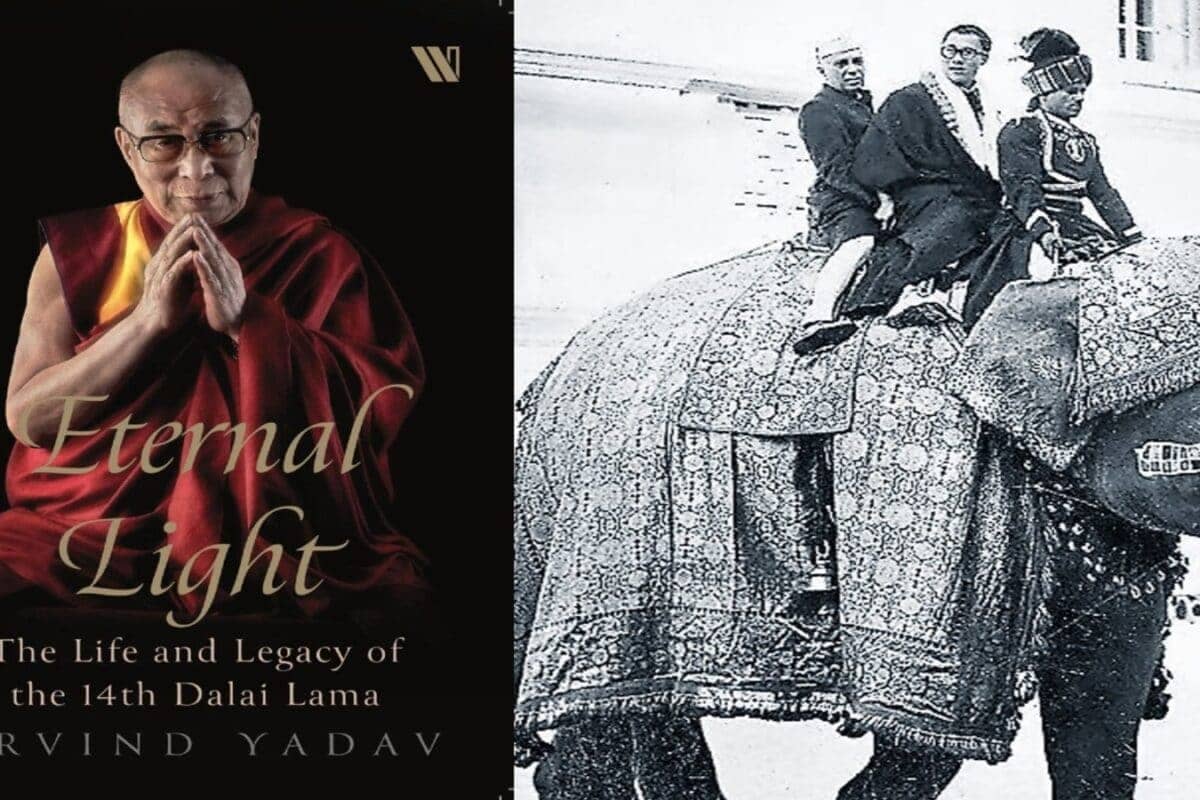

Publication Details And Scope Of New Historical Analysis
A new biography titled 'Eternal Light: The Life and Legacy of the 14th Dalai Lama' has been released to address specific historical narratives. According to reports from News 18, this publication aims to clarify geopolitical events that have frequently been misunderstood or misreported in previous accounts. The text focuses on establishing a record of connections between the spiritual leader and prominent political figures within India.
The biography specifically details relationships forged during periods when the Dalai Lama was living outside his native country. This period is defined as exile by sources discussing the timeline of these interactions. By documenting these specific eras, the book provides context to diplomatic engagements that occurred away from the Tibetan plateau.
News 18 notes that the publication seeks to correct misconceptions regarding international relations involving Tibet and India during the mid-to-late twentieth century. The text presents a version of events where political alliances were formed under unique circumstances, distinct from standard statecraft narratives found in other historical records. This approach allows readers to examine diplomatic history through the lens provided by this specific biography.
The scope of the book extends beyond religious philosophy into the realm of international diplomacy and Cold War era politics. It addresses how a spiritual leader maintained ties with secular governments while navigating complex geopolitical landscapes involving multiple nations. The text asserts that these connections were significant enough to warrant detailed documentation in a standalone publication dedicated to clarifying historical records.
Documented Relationships With Nehru And The Gandhi Family
The biography explicitly identifies Jawaharlal Nehru as one of the primary Indian leaders with whom the Dalai Lama established connections. Sources state that these relationships were part of a broader network involving India's leadership during its early years of independence and subsequent decades.
In addition to Prime Minister Nehru, the text highlights interactions with Indira Gandhi, who served as Prime Minister for significant portions of her tenure. The biography lists Rajiv Gandhi, son of Indira and grandson of Jawaharlal, among the Indian leaders connected to the Dalai Lama in this new account.
According to News 18, these relationships were not merely superficial diplomatic contacts but represented a sustained engagement between Tibetan leadership and key architects of modern India. The book presents evidence suggesting that meetings occurred regularly or at critical junctures during the exile period.
The inclusion of both Indira Gandhi and Rajiv Gandhi in this list indicates continuity across generations within Indian political leadership. This suggests that diplomatic channels remained open even as different administrations took office, maintaining a consistent line of communication between New Delhi and Dharamsala where the Dalai Lama resides.
Clarification Of Misreported Geopolitical Events
The central purpose stated by News 18 is to clarify frequently misunderstood or misreported geopolitical events. The biography challenges existing narratives that may have omitted these specific interactions from standard historical accounts. By bringing these figures into the narrative, the text argues for a more complete understanding of India-Tibet relations during this era.
Reports indicate that previous discussions on the subject often lacked detail regarding the personal nature of these diplomatic exchanges. This new publication fills those gaps by providing specific names and roles associated with the meetings between Indian politicians and Tibetan representatives.
The text does not speculate on motives but rather documents the existence of the relationships themselves as factual occurrences within a geopolitical timeline. It presents the connections as established historical data points that require inclusion in any comprehensive study of modern Tibet or Cold War Asian history.
Significance Of Exile In Shaping Diplomatic History
A recurring theme throughout the biography, according to News 18, is the setting in which these relationships were forged. The text emphasizes that they occurred during exile. This specific condition of displacement shaped the nature and necessity of diplomatic engagement between Tibetan representatives and Indian leadership.
Sources note that living outside Tibet necessitated alternative channels for political representation and international advocacy. India served as a primary host nation, making interactions with its leaders essential for maintaining visibility on the global stage. The biography details how these circumstances dictated the frequency and depth of contact between Dharamsala-based officials and New Delhi.
The publication suggests that exile created an environment where trust-building required more direct engagement than might have been possible under different geopolitical conditions. This context helps explain why relationships with figures like Nehru, Indira Gandhi, and Rajiv Gandhi held particular weight during those decades.
By framing these events within the specific constraints of exile, the biography offers a nuanced view of how international diplomacy functioned for displaced populations in the post-colonial era. It posits that understanding this context is vital to accurately interpreting historical records regarding Tibet and India.