

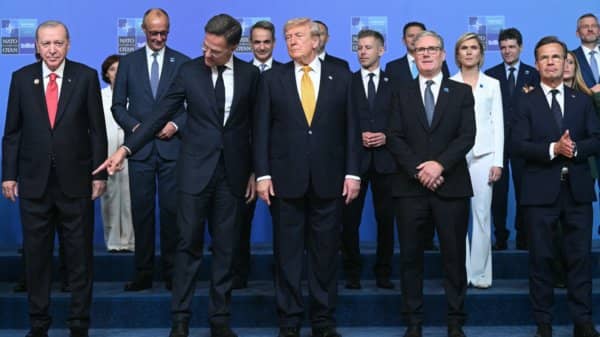

Shifting Stance Among Western Allies Following Summit
A distinct shift in diplomatic posture has emerged among the nations comprising NATO’s European contingent. According to reports, these partners have increased their wariness of Iran as a direct consequence of recent geopolitical developments. The change in attitude is specifically linked to events surrounding a major security gathering held under the leadership of President Donald Trump.
The atmosphere at the summit was described by observers and sources associated with Bundle as testy. This tension reportedly influenced how European capitals viewed their strategic relationship with Tehran immediately following the conclusion of the negotiations. The resulting sentiment among these allies is characterized by a deliberate effort to add distance between themselves and Iranian interests in the region.
Reports indicate that the wariness directed toward Iran has grown since the summit took place under Trump’s administration. This heightened caution appears to be a collective response rather than an isolated reaction from individual member states. The consensus among European partners, as noted by available sources, suggests a unified move away from policies or stances that might have been perceived as too conciliatory toward Iran during the previous phase of discussions.
The timing of this shift is critical to understanding its nature. It occurred in the immediate aftermath of the summit where President Trump played the central role as leader. The testy environment at the meeting reportedly served as a catalyst for European nations to reassess their position regarding Iranian activities and diplomatic overtures. Sources emphasize that the increased wariness was not present prior to this specific gathering but rather emerged following the intense exchanges.
European allies are now reported to be actively distancing themselves from Iran in the aftermath of the summit. This action represents a tangible change in foreign policy posture, moving away from previous engagements or understandings with Tehran. The decision reflects a broader strategic recalibration among European nations who feel that their security concerns regarding Iran have been inadequately addressed during the tense proceedings under Trump’s leadership.
The specific nature of this distancing is described as adding distance on Iran. This phrase, used in reports by Bundle and other outlets covering the finance and geopolitics sector, implies a reduction in diplomatic warmth or economic integration that might have existed before. The sources do not specify which particular sectors are being affected but note that the overall relationship has cooled significantly.
President Trump’s leadership style during the summit is cited as a contributing factor to this outcome. His approach, characterized by skepticism and demands for tough negotiations on Iran, reportedly resonated with European allies who share similar concerns about Iranian nuclear ambitions or regional aggression. However, sources clarify that while they agree on these risks, their reaction was specifically triggered by the testy nature of the summit itself rather than just general policy disagreements.
The increased wariness extends beyond mere rhetorical statements. It involves a strategic repositioning where European partners are reportedly less inclined to engage with Iranian initiatives without significant guarantees or concessions that they believe were not forthcoming during the Trump-led summit. This shift marks a departure from any previous cooperation models involving Iran and Europe.
Implications of Testy Summit Dynamics
The testy dynamics observed at the NATO summit under President Trump have rippled through European foreign policy circles. Sources indicate that the tension was palpable throughout the duration of the meeting, leading to a post-summit environment where trust in Iranian intentions appeared diminished among Western leaders.
European allies are now reported to be viewing Iran with greater skepticism than before. This change is attributed directly to the interactions and disagreements that occurred during the summit led by Trump. The sources suggest that the friction generated at this high-level meeting has had lasting effects on how European capitals perceive Tehran’s role in global security architecture.
The increase in wariness is described as a defensive measure taken by European partners to protect their own interests and those of NATO members. By adding distance from Iran, these nations aim to prevent any potential entanglement with Iranian actions that could destabilize the region or compromise Western strategic objectives. This proactive stance reflects a desire to maintain autonomy in foreign policy decisions regarding Middle Eastern powers.
Reports highlight that the summit’s outcome was not universally positive for all parties involved, particularly when it came to relations with Iran. European allies felt that their concerns were either downplayed or misunderstood during the testy exchanges under Trump’s leadership. Consequently, they have chosen to recalibrate their approach by increasing wariness and reducing engagement.
The sources note that this shift is part of a larger trend where NATO members are seeking more robust security guarantees against non-NATO adversaries like Iran. The testy summit served as a wake-up call for European leaders who realized the need to stand firm on issues related to Iranian behavior in the Middle East and beyond.
There have been no official statements released by President Trump regarding this specific shift among his allies, according to available information from Bundle. However, sources indicate that the administration’s rhetoric during the summit aligned with European sentiments about Iran, leading to a convergence of views post-meeting despite initial tensions.
The increased wariness is also seen as a reflection of broader geopolitical shifts occurring within NATO and its member states. As global powers maneuver for advantage in an increasingly volatile security environment, Europe’s stance toward Iran has become more cautious under the influence of Trump’s presidency.
European partners continue to monitor developments closely following the summit. Their decision to distance themselves from Iran is viewed as a strategic necessity rather than a temporary reaction. Sources suggest that this new posture will likely persist unless significant changes occur in Iranian policy or international relations involving Tehran and Western powers.