


The Brussels Paradox: Strategic Ambition Meets Fiscal Reality
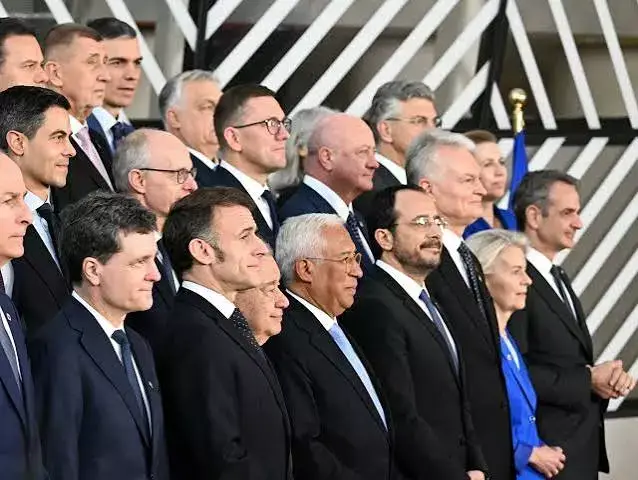
The European Union summit held in Brussels on October 15-16 laid bare a fundamental tension within the bloc’s current geopolitical posture. While member states collectively recognize the necessity of acting as a unified strategic power, the summit exposed deep divisions regarding the costs, compromises, and transfers of authority required to sustain that role. This paradox defines the current political landscape: a shared vision of influence clashing with fragmented national interests.
At the heart of this discord is the Multiannual Financial Framework for 2028-2034. The summit failed to reach an agreement on this critical budgetary document, highlighting the difficulty of aligning diverse economic priorities across 27 nations. Europe’s leadership desires to increase spending in several key areas—defense, innovation, competitiveness, and support for Ukraine—while simultaneously maintaining existing commitments to agriculture and regional development. However, available resources cannot easily accommodate all these demands, creating a fiscal bottleneck that threatens the coherence of EU policy.
The Ukrainian Imperative and the Funding Gap
Support for Ukraine remained a central theme of the discussions, with the summit reiterating the bloc’s commitment to maintaining pressure on Russia. President Volodymyr Zelenskyy participated in these high-level talks, using his presence to emphasize Ukraine's continuing requirements for military and financial assistance as winter approaches. The urgency of the situation is underscored by Ukraine’s own estimates: the country faces a funding gap of approximately €70 billion for 2027.
This substantial shortfall presents a formidable challenge for the EU. While the European Commission has expressed its intention to mobilize substantial resources to bridge this gap, the specific mechanisms for doing so remain unclear. The problem is further complicated by continued uncertainty over American support, leaving European leaders to navigate the financial logistics of sustained aid without a predictable transatlantic partner.
Germany’s Fiscal Tightrope and National Divides
The debate over how to fund these ambitions has placed significant pressure on Germany. Chancellor Friedrich Merz faces the complex task of reconciling Germany’s financial responsibilities with its broader European ambitions, all while managing intense domestic fiscal pressures. As the largest net contributor to the EU budget, Germany traditionally favors fiscal discipline and efficient spending, a stance that often puts it at odds with other member states.
This divergence in economic philosophy creates friction within the union. Countries that are heavily dependent on cohesion funding are reluctant to accept any cuts to their allocations, viewing such reductions as direct threats to their regional stability and growth. Meanwhile, France advocates for stronger European defense capabilities, framing them not merely as a budgetary line item but as a long-term security imperative. The clash between Germany’s demand for fiscal restraint and France’s push for strategic autonomy illustrates the structural difficulties in harmonizing EU-wide security goals with national budgetary realities.
Shifting Tensions with China
Beyond immediate security concerns, the summit also reflected Europe’s increasingly assertive stance towards China. This shift is driven by growing anxiety over subsidised imports and excess manufacturing capacity from Beijing, which are creating significant vulnerabilities for European industry.
The changing dynamic is particularly notable within Germany. German businesses have traditionally valued access to the Chinese market, often prioritizing trade relations over geopolitical friction. However, concerns about unfair competition and strategic dependence are increasingly influencing policy decisions in Berlin. This evolution marks a departure from previous economic pragmatism, signaling that European industrial competitiveness is now being weighed more heavily against the risks of reliance on Chinese supply chains.
As the EU attempts to formulate a cohesive response to these multifaceted challenges, the summit’s inability to finalize its budget or fully resolve the Ukraine funding mechanism suggests that the path forward will require difficult compromises. The bloc must now navigate a landscape where strategic power is desired, but the political will to pay for it remains fractured.