


October Policy Meeting Schedule and Expectations
The Federal Reserve is scheduled to hold its policy meeting beginning Tuesday, October 27, and concluding Wednesday, October 28, according to Kiplinger. A decision on interest rates is expected to be announced at the conclusion of the gathering.
Wall Street is closely monitoring the event as the primary economic focus for the week. While some analysts anticipate a change in monetary policy, others believe the central bank will maintain the status quo. The timing of the meeting coincides with the upcoming midterm elections, which may influence the Federal Reserve's approach to rate adjustments.
It is widely expected that the Fed will keep interest rates unchanged during this meeting due to the upcoming midterms, according to Kiplinger. This consensus suggests that despite economic pressures, the central bank may opt for stability as it navigates the political landscape leading up to the elections.
Economic Data and Inflation Trends
Recent economic indicators have provided mixed signals regarding the necessity for rate changes. Data from the Bureau of Labor Statistics reported that the September Consumer Price Index showed headline inflation rose 0.6% from August to September, marking a 3.7% increase year over year.
Gasoline prices were a significant driver of this monthly increase, rising 9.1 percent in September and accounting for more than half of the all-items increase. This surge contributed to what Kiplinger described as a "large and broad-based inflation beat" in September, which offset previous downward revisions to inflation data.
Despite these figures, market participants observed gains in major indices by the closing bell on Monday. The Nasdaq Composite rose 0.8% to 26,169, the S&P 500 increased 0.7% to 7,676, and the Dow Jones Industrial Average added 0.3% to close at 52,361.
Economists Divided on Rate Hike Prospects
Financial experts hold differing views on whether the Federal Reserve will adjust rates during this meeting. Aditya Bhave, a BofA Securities economist, argued that there is a case for an October rate hike. Bhave noted that the inflation picture has worsened since the September meeting, citing the recent data as evidence that tightening may be warranted.
Conversely, Brandon Zureick, chief economist at Johnson Investment Counsel, stated he does not expect the Fed to raise rates this week. Zureick cited policymakers' emphasis on patience and a deliberate approach as reasons for maintaining current levels despite the inflation data.
David Payne, a staff economist at The Kiplinger Letter, added that the looming elections are expected to give the Fed pause. Payne stated that this political context may lead the central bank to delay any rate increase until their December 9 meeting rather than acting in October.
Market Indicators and Investor Focus
Chris Larkin, managing director at Morgan Stanley, reported via E*TRADE that artificial intelligence jitters and oil prices have kept stock markets off balance. However, Larkin noted that high-profile earnings reports and economic data may push the market out of its current trading range.
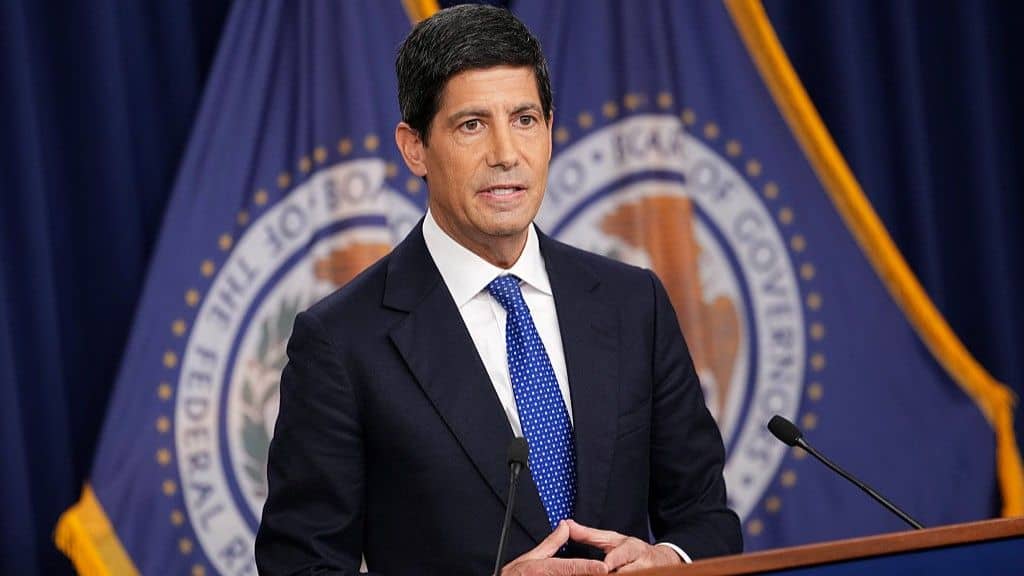
Investors are expected to look beyond the immediate rate decision for further guidance on monetary policy direction. Zureick stated that investors will focus on Chair Warsh's post-meeting press conference for clues on future actions. He noted that this October gathering will not include an updated Summary of Economic Projections or the "dot plot," which typically provide detailed forecasts from individual policymakers.