


Federal Charges Announced in Texas Election Case
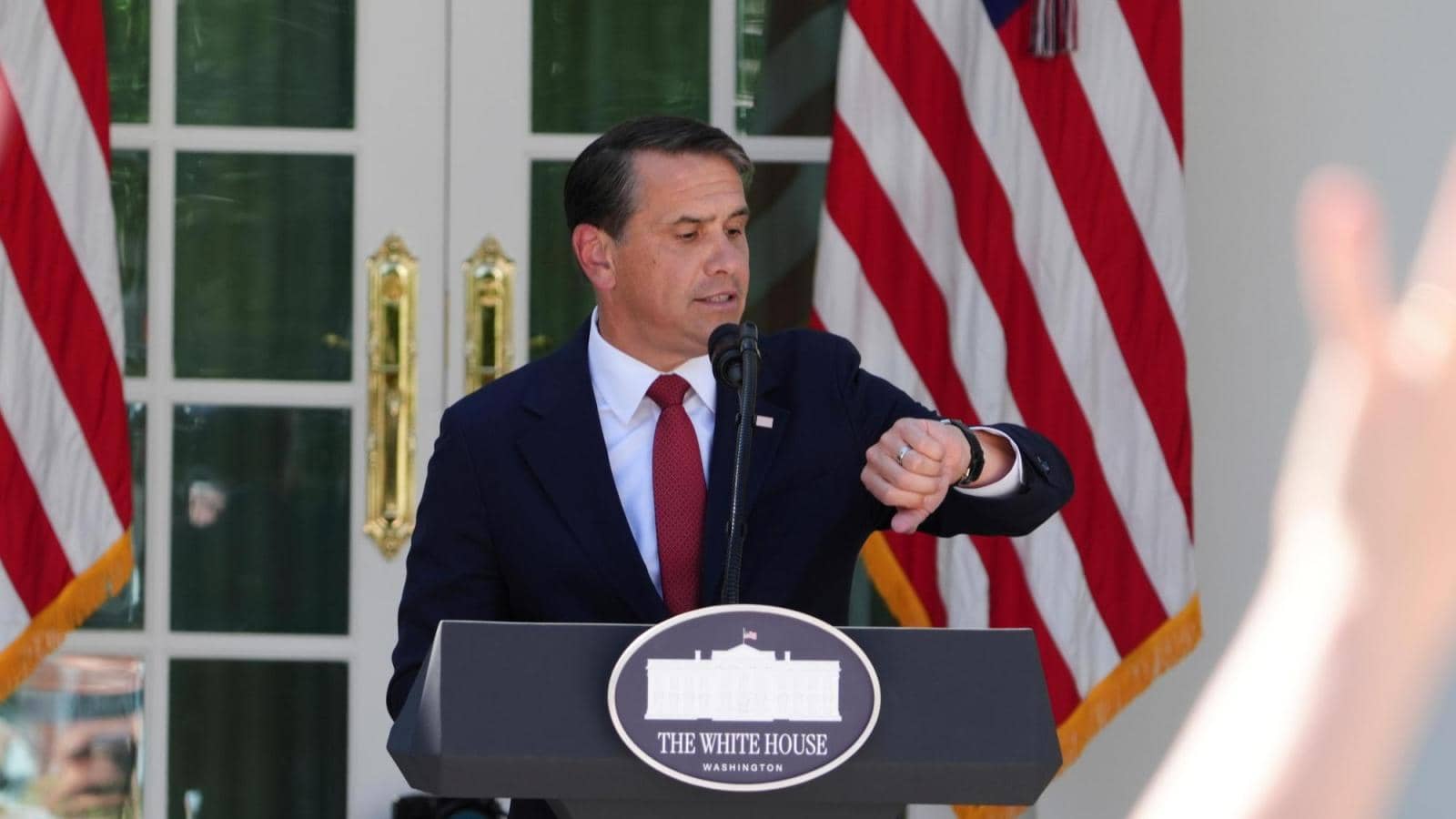
The U.S. Department of Justice has officially announced federal charges against seven individuals in Texas, stemming from alleged violations related to noncitizen voting. The announcement was made by U.S. Attorney General Todd Blanche, who underscored the charges as part of a broader administrative priority focused on upholding election integrity nationwide. This move signals a concerted effort by federal authorities to enforce existing statutes governing voter eligibility.
Reports from various media outlets, including the Monterey Herald, Ukiah Daily Journal, and The Mendocino Beacon, have highlighted that these prosecutions align with a wider focus by President Donald Trump on the issue of noncitizen voting. The administration has consistently emphasized its commitment to ensuring the fidelity of the electoral process by strictly enforcing federal laws that define who is eligible to cast a ballot.
Allegations Against Seven Individuals
The individuals now facing federal charges are alleged to have engaged in multiple forms of election fraud. Prosecutors have detailed specific instances of unlawful participation or attempts to participate in the democratic process. Among the accusations, some defendants are stated to have voted or attempted to vote in the general elections held in both 2018 and 2024. These actions directly contravene federal statutes designed to prevent noncitizens from influencing election outcomes.
Beyond casting ballots, other defendants are charged with distinct but related offenses. These include falsely claiming U.S. citizenship on official documents, specifically on a driver's license application. Such a misrepresentation is a serious offense, as a driver's license can often be used as a form of identification that indirectly supports voter registration. Furthermore, some individuals are accused of knowingly registering to vote despite being fully aware of their ineligibility as noncitizens. These charges collectively underscore the various pathways through which federal election laws are alleged to have been violated.
Rare Violations Carry Severe Penalties
Officials involved in the prosecution have reiterated that instances of noncitizen voting are considered rare across the United States. Despite their infrequent occurrence, violations of federal law in this domain are treated with extreme gravity and carry severe penalties. The legal framework is clear: noncitizens are prohibited from voting in federal elections, and any attempt to do so can lead to significant legal repercussions.
Those convicted of such offenses face felony charges, which can result in substantial prison sentences and hefty fines. Moreover, for noncitizens, a conviction for these violations can trigger additional, life-altering consequences, including potential deportation from the United States. This dual threat of criminal prosecution and immigration enforcement serves as a powerful deterrent against unlawful participation in elections.
Felony Charges and Deportation Risks
The legal consequences for individuals found guilty of these federal election offenses are multifaceted. A felony conviction carries a range of serious implications, impacting an individual's civil rights, future employment opportunities, and overall legal standing. The severity of these charges reflects the federal government's view on the importance of maintaining the integrity of the voting system.
For noncitizens, the risk extends beyond criminal penalties. Federal immigration law often mandates deportation for noncitizens convicted of certain felonies, particularly those involving fraud or offenses against the government. Therefore, an attempt to vote while ineligible, or falsely claiming citizenship, could lead not only to a criminal record but also to removal from the country, highlighting the profound and lasting impact of such violations.
Trump Administration's Wider Focus on Noncitizen Voting
U.S. Attorney General Todd Blanche explicitly framed the Texas case as an integral part of a broader, sustained effort by the Trump administration to address and prevent noncitizen voting. This focus is consistent with previous declarations from the White House, which have repeatedly emphasized the critical importance of verifying voter eligibility and implementing robust measures to prevent any form of election fraud.
The administration's stance aligns with a policy objective to reinforce public confidence in election outcomes by ensuring that only eligible citizens participate. While the specific details of the Texas case are confined to the seven individuals charged, the announcement has been strategically utilized by the administration to highlight its overarching policy goals regarding election security and integrity. This includes a commitment to proactively investigate and prosecute cases where noncitizens are alleged to have violated federal voting laws.
Enforcing Voter Eligibility Laws
The current federal charges in Texas underscore the rigorous checks and balances inherent in both voter registration and driver's license issuance processes. These systems are designed to confirm an individual's eligibility for various civic functions, including voting. Federal law unequivocally prohibits noncitizens from casting ballots in federal elections, and any attempt to circumvent this prohibition is subject to criminal prosecution.
The administration has affirmed its intent to continue pursuing such cases as part of its commitment to safeguarding the integrity of the nation's elections. This proactive enforcement strategy aims to send a clear message about the legal risks associated with attempting to participate in federal elections without proper eligibility or providing false information on government forms. The potential for both felony charges and deportation remains a significant consequence for noncitizens who are found to have violated these stringent federal regulations.