


Optimism Amid Global Economic Strain
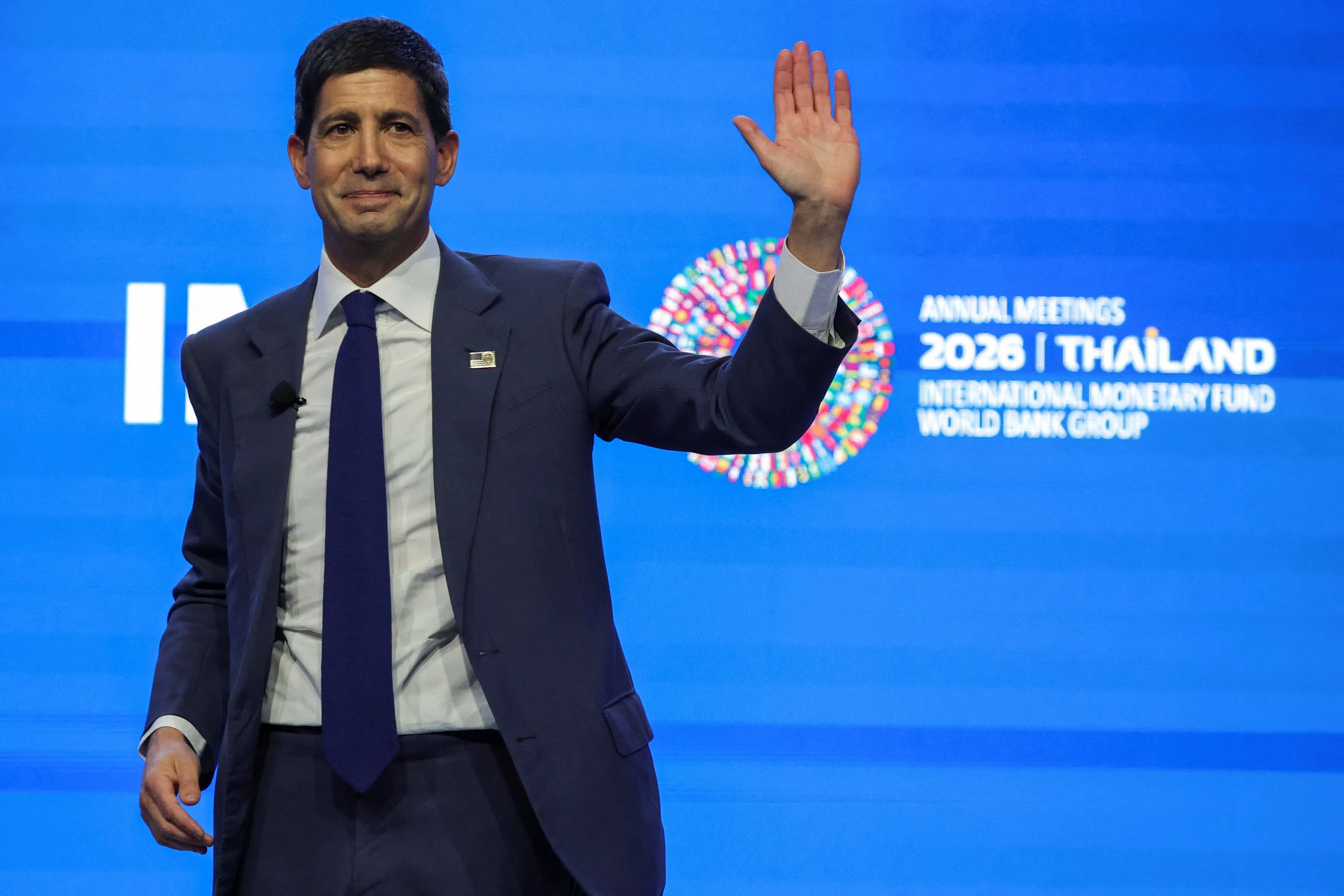
Federal Reserve Chairman Kevin Warsh voiced a distinct sense of optimism regarding the resilience of the United States economy on Friday, October 16, while speaking at the International Monetary Fund (IMF) and World Bank annual meetings in Bangkok. In an environment characterized by continued energy shocks and tighter monetary policy aimed at combating inflation, Warsh expressed surprise at how well global economies have been "hanging in there." He noted that the global economy is showing a level of resilience he would not have predicted five or six months ago, given the prevailing geopolitics and various hotspots around the world.
Warsh highlighted that the United States and many other economies are currently benefiting from an "investment surge" driven by artificial intelligence. This surge, he explained, is broadening to sectors beyond AI itself, creating a near-term demand shock that is putting upward pressure on inflation. Despite these pressures, Warsh stated that this broadening investment trend is providing resilience to US growth, giving the economy "plenty of tailwinds" and strength not found everywhere in the world.
The Inflation Challenge and Monetary Tightening
While acknowledging the positive undercurrents of AI-driven growth, Warsh did not shy away from the persistent inflationary pressures facing central banks globally. At the Bangkok meetings, he noted it was hard not to hear central bankers discussing the same surge in prices. He pointed out that global central banks have undertaken "a synchronous tightening in monetary policy in most places around the world," a situation meaning there are "no free riders" regarding the challenges of inflation.
Warsh referenced the Federal Reserve’s recent actions, stating that the US had removed a dose of accommodation about a month ago with its September interest-rate hike. He emphasized that this move was intended to deliver price stability, yet he acknowledged that financial markets are currently betting the Fed will wait until December to raise rates again. This market expectation persists even after reports showed two different measures of inflation running higher than expected and heading away from the Fed’s 2% goal.
Strategic Silence on Future Rate Moves
In keeping with his style since taking the reins as Fed chief in May, Warsh gave no preview about whether more interest-rate hikes will be needed or when. His decision to skirt near-term policy decisions leaves intact the expectation that the Fed will not hike in October. When speaking with IMF Managing Director Kristalina Georgieva, Warsh stated that he does not prejudge meetings and does not believe in saying now what he might do at future meetings this year.
Despite his personal silence, Fed colleagues have indicated that more tightening is probably needed but want to see more economic data first. This internal signaling suggests they are unlikely to deliver a second rate hike in October, aligning with the broader market consensus that any further action will be deferred until later in the year.
AI’s Dual Impact on Growth and Productivity
Warsh remained optimistic about the long-term impact of artificial intelligence on economic growth and productivity. He described the path toward faster productivity growth in the "real economy" as "very bumpy," but he believes AI will ultimately make economies more productive and create more wealth. He explained that AI is currently hitting the demand side of the economy before the supply side, a dynamic that contributes to the current near-term demand shock.
While acknowledging that the effect of AI on employment in the next 12 or 18 months is unknown, Warsh pointed to institutional efforts to better understand these shifts. A task force convened to advise the Fed on AI’s impact on productivity and jobs will hold a "field hearing" in the San Francisco Bay Area on November 16.
Global Growth Projections and Risks
The broader economic context for Warsh’s comments includes recent assessments from the IMF, which earlier this week said AI investment would keep global growth above 3% this year. This projection is partly offsetting the drag from oil prices hovering above $100 per barrel. However, the IMF also noted significant risks, including high debt loads and a potential sharp pullback in AI investment.
Warsh’s remarks underscore a complex economic landscape where technological innovation provides unexpected resilience against geopolitical and energy-related headwinds. While the immediate inflationary pressures remain a concern for policymakers, the underlying strength of the US economy, fueled by an investment surge, offers a counter-narrative to the broader global slowdown that many had anticipated earlier in the year.