


Electoral Results and Historical Turnout
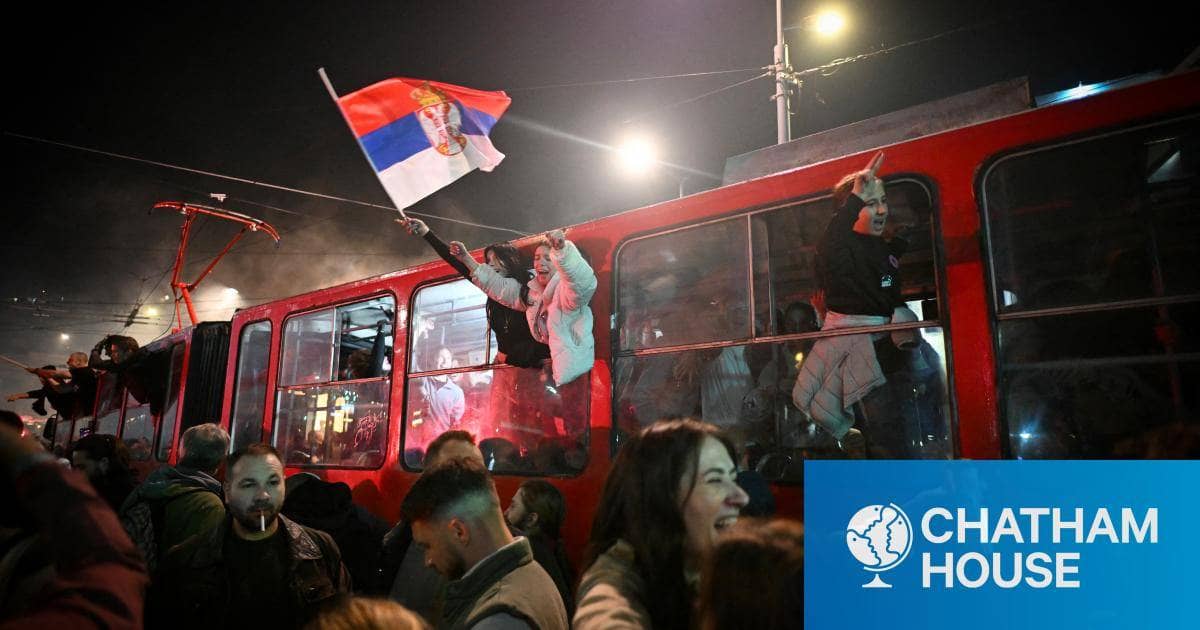
Serbia held a snap parliamentary election on Sunday, resulting in a decisive victory for the Student List. With almost all ballots counted, the party secured more than 53 percent of the vote, translating to approximately 140 seats in the 250-member parliament.
Voter turnout approached a historic 70 percent, marking the highest participation rate since Yugoslavia’s break-up in 1992. President Aleksandar Vučić, who has been in power since 2012, admitted defeat on Sunday after calling the vote following nearly two years of student protests.
The election ended twelve years of Vučić’s personal dominance as prime minister from 2014 to 2017 and president from 2017 to 2026. Six months after Viktor Orbán’s defeat in Hungary, the concession by another European leader marks a consequential turning point for the country and Europe.
Origins of the Student Movement
The political shift was driven by the Studenti u blokada movement, which evolved from protests into a formidable political organization. The movement attracted anti-government voters, including teachers, farmers, and ordinary citizens, combining mass demonstrations with grassroots campaigning in communities long dominated by Vučić’s Serbian Progressive Party (SNS).
The roots of the unrest trace back to 2024, when a canopy collapse at a renovated railway station in Novi Sad killed 16 people. The tragedy became a case study in perceived corruption during the Vučić era, despite government denials of accusations regarding favoritism and lack of transparency over contracts.
The electoral list ‘Studentska lista-Studenti pobeđuju’ included 250 candidates, such as academics, doctors, and artists, led by cardiologist Ilija Srđanović. This broad coalition reflected the diverse nature of the opposition that coalesced around the student-led initiative.
International Reaction and Geopolitical Shifts
The electoral outcome drew immediate responses from international leaders and foreign powers. European Commission President Ursula von der Leyen and Enlargement Commissioner Marta Kos welcomed the result and offered support to the new government, signaling a potential realignment in Serbia’s relationship with the European Union.
For the Kremlin, the result represents a significant setback following the recent defeat of Viktor Orbán in Hungary. With this loss, Slovakia’s Robert Fico stands as the last pro-Russian leader among European heads of government, highlighting the isolation of Moscow’s allies in the region.
Vučić had previously cultivated close relations with Moscow, refusing to join EU sanctions following Russia’s invasion of Ukraine and benefiting from Russian diplomatic support over the Kosovo issue. Despite these ties, his administration maintained a complex stance by defending Ukraine’s territorial integrity, including Crimea, and providing Ukrainian forces with Serbian ammunition.
Foreign Policy Continuity
Despite the change in leadership, the new government has signaled continuity in key areas of foreign policy. The Student List has explicitly ruled out sanctions against Moscow, pledged to preserve military neutrality, and rejected NATO membership.
On Monday, Student List representative Jovo Bakić reaffirmed that Serbia’s foreign policy towards Russia would remain unchanged. In response, the Kremlin adopted a careful tone, signaling a wish to retain good relations with Belgrade despite the political turnover in the capital.