


Analysis from Former British Defence Attaché
Vladimir Putin is described by John Foreman as having become "a victim of his own system." The former UK defence attaché to Moscow stated that he believes the Russian President will likely "die in harness". This assessment comes four years after the secret invasion of Ukraine, an event which Foreman alleges blindsided the Kremlin's own government.
According to John Foreman, Britain’s top man in Moscow at the time, Putin has reached a stalemate in the conflict with Ukraine. The analysis suggests that despite the initial shock and strategic surprise of the invasion, the President is now facing constraints within his political structure.
Characterization of Leadership Style
In comments attributed to John Foreman while he served as Britain’s defence attaché in Moscow, Putin was characterized as a "reactive character." The former envoy noted that this President identifies and seizes opportunities. According to the reporting from Claudia Lee for The Sun, his approach involves seeing opportunity and seizing it.
Foreman stated that Vladimir Putin is reportedly determined to consolidate his power. This determination has been observed in actions taken over a four-year period since the invasion began. The former British envoy suggests this consolidation effort faces increasing internal friction rather than external military success alone.
The Role of Internal Russian Elites
John Foreman alleges that Putin blindsided his own government when he decided to invade Ukraine. This assertion points toward a disconnect between the President and other high-ranking officials within Russia at the time of the decision-making process.
Narratives from The Scottish Sun, published on July 4, 2026 by reporter Claudia Lee, highlight that now the "greedy" Russian elite he has propped up are waiting in the wings to take over power. Foreman describes these individuals as greedy and suggests they have been supported financially or politically by Putin during his tenure.
The report indicates a potential shift where these elites could assume control if current conditions deteriorate further. This scenario is presented based on statements made by John Foreman regarding the internal dynamics of Russian leadership following four years of conflict in Ukraine.
Assessment of Current War Status
Vladimir Putin has reached a stalemate, according to claims from John Foreman. The former British envoy asserts that this status reflects the reality on the ground after an initial period of rapid advancement by Russian forces during the secret invasion.
The timeline referenced in the reporting spans four years since the conflict escalated into full-scale war. During this duration, the President’s strategy has reportedly shifted from offensive operations to a defensive posture aimed at maintaining control over existing territories and consolidating domestic authority.
Political Dynamics Within Moscow
The term "greedy" is used by John Foreman to describe specific factions within the Russian elite. These individuals are said to have been propped up by Putin throughout his presidency. The implication in the reporting from The Irish Sun and The Scottish Sun is that these figures may now be positioning themselves for a change in leadership.
John Foreman’s analysis suggests that the system supporting Putin has created dependencies among its beneficiaries. As those individuals accumulate wealth or power under current conditions, they reportedly await an opportunity to seize control if stability falters.
Predictions Regarding Leadership Continuity
Foreman predicts a specific outcome for Vladimir Putin’s tenure: he will likely "die in harness." This phrase implies remaining in office until death rather than stepping down voluntarily or facing removal through other means. The prediction is attributed to the former defence attaché based on his observations of Russian political culture and historical precedents.
The article published by Claudia Lee for The Sun notes that Vladimir Putin remains determined despite challenges. His determination reportedly focuses on consolidating power rather than expanding territory or altering the course of the war significantly after four years.
Contextualizing the Invasion Decision
The invasion is described as a secret operation that caught many within Russia’s own government off guard. John Foreman stated he knew Putin blindsided his colleagues when making this decision. This claim challenges narratives suggesting broad consensus among Russian leadership prior to February 24, 2022.
The reporting from The Sun and its sister publications emphasizes the secrecy surrounding the initial planning stages of the invasion. According to Foreman’s account, only a small circle was informed before orders were given to commence hostilities against Ukraine.
Media Presentation of Russian Leadership
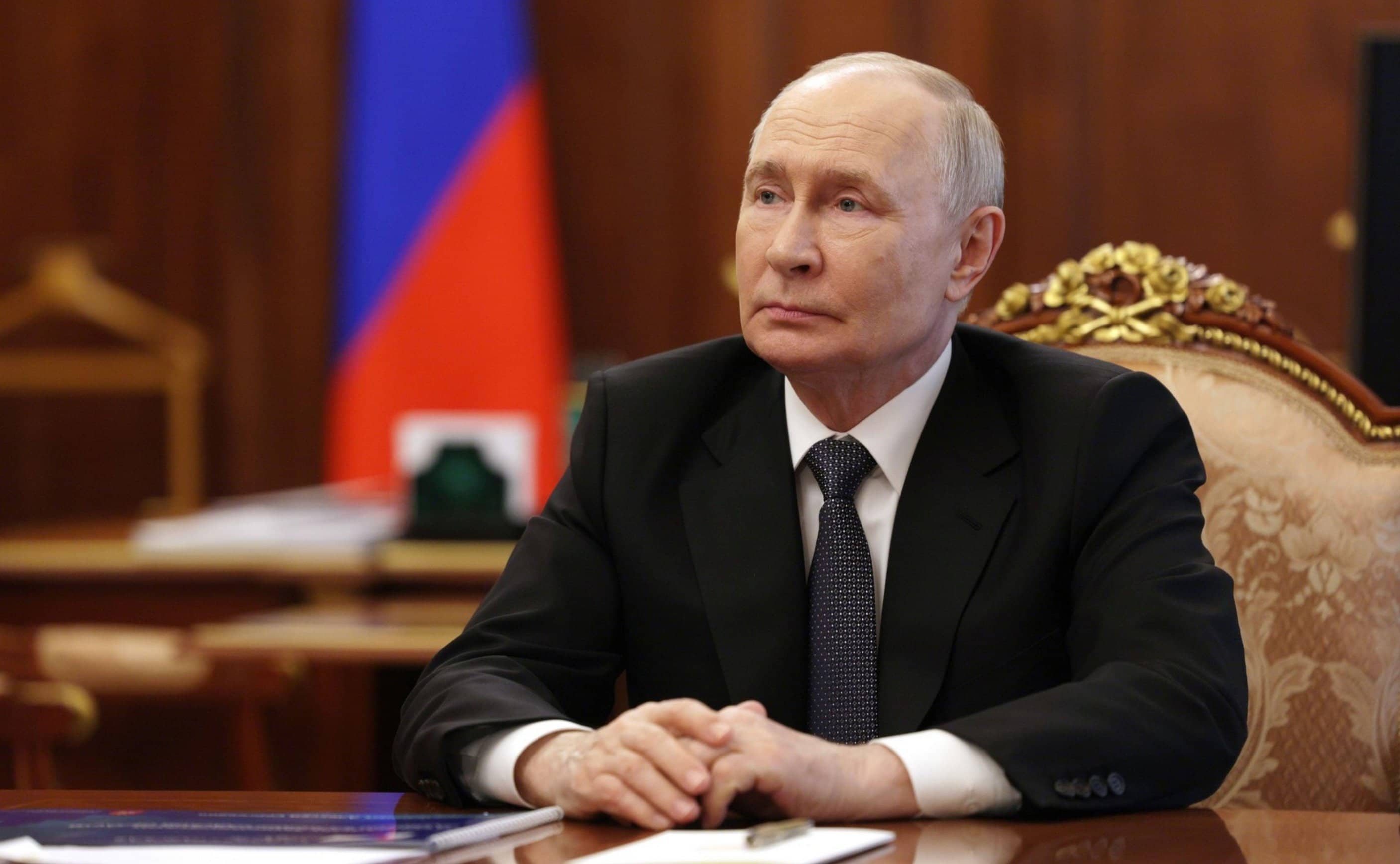
Credit for images used in these reports is attributed to Alamy and AFP agencies as noted by The Scottish Sun. Visual elements accompanying the text depict Vladimir Putin seated at official desks or addressing crowds, reinforcing his image as a central figure in current events.
The reporting style across The Sun, Irish Sun, and Scottish Sun maintains consistency regarding key claims while varying minor details such as publication timestamps (e.g., 09:14 on July 4, 2026). These variations reflect different editorial cycles but preserve the core assertions made by John Foreman.
John Foreman’s role as former defence attaché provides context for his insights into Russian leadership. His access to diplomatic channels allowed him to observe interactions between Putin and other officials, though specific conversations remain classified or summarized in media reports rather than quoted directly.