

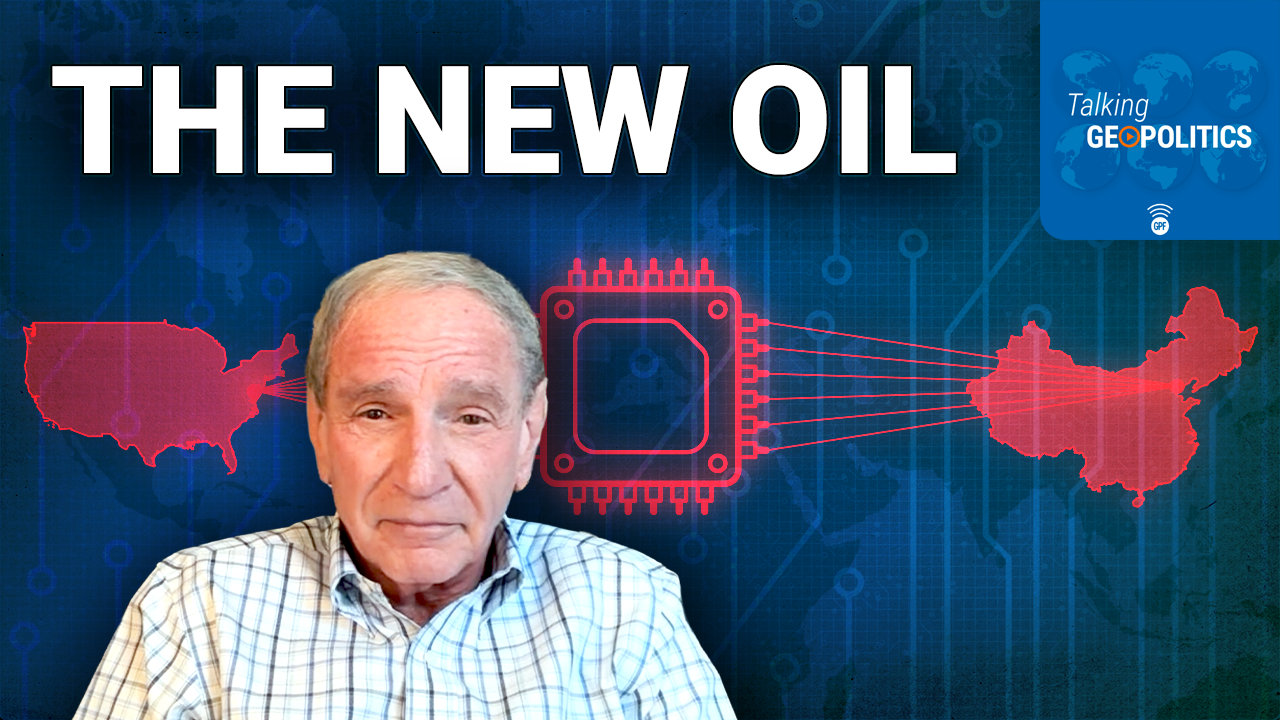

Microchips as the New Oil
George Friedman, chairman of Geopolitical Futures, stated that by 2026, microchips will represent the most critical element of global geopolitics. In a podcast episode titled "Microchips, Geopolitics, and the Limits of AI," Friedman compared the strategic importance of semiconductors to historical commodities such as oil, coal, or steel.
Friedman argued that microchips have become equivalent to oil as a primary geopolitical battleground. This shift has driven intense competition over rare earth minerals and the availability of advanced technology among major powers.
He traced the development of these components back to the mid-1950s, when Texas Instruments began producing them under contract with the US Air Force. Friedman emphasized that microchips are now essential to both the global economy and military capabilities.
The US-China Technology Race
Host Christian Smith noted that Donald Trump and his administration frequently characterize the United States as being in a race with China over microchips and artificial intelligence. According to Smith, the US government maintains that it cannot afford to lose this competition.
Friedman addressed the allegations of espionage between the two nations, asserting that Chinese entities are spying on the United States and vice versa. He interpreted China's efforts to steal technology as an indication that the US currently holds the lead in microchip capabilities.
Corporate Espionage and Personnel Issues
The discussion also covered the controversy surrounding Jensen Huang, the president of Nvidia. Smith described the drama involving Huang as a narrative worthy of television thrillers.
Friedman characterized Huang’s firing and subsequent reappointment by Trump as a personnel issue rather than a matter of geopolitics. He claimed that China recently attempted to carry out a coup but failed because the plot was discovered.
Regarding the role of corporate leadership in this conflict, Friedman stated that the president of Nvidia is not a significant factor in the broader geopolitical context.