


Government Action Targets Cross-Border Chemical Trade
The Thai government announced plans to designate more than 150 kilometers (93 miles) of the Kok River as a formal pollution control zone starting Dec. 2, according to Chiang Rai Times. The measure aims to address toxic contamination in northern Thailand’s waterways linked to industrial activities across the border.
Bangkok will also arrange emergency clean water supplies for nearly 20,000 residents in Chiang Rai province as part of the crackdown, Deputy Prime Minister Yodchanan Wongsawat stated. The announcement was made ahead of high-stakes trilateral talks with officials from Myanmar and China this week.
Wongsawat pledged to block exports of mining reagents across the northern border. NSC Secretary-General Gen. Chaipruak Doungprapat confirmed that Thai exporters account for up to four-fifths of the chemical inputs used at scrutinized mining sites following weekend inspections in Chiang Rai.
Chemical Supply Chain and Environmental Impact
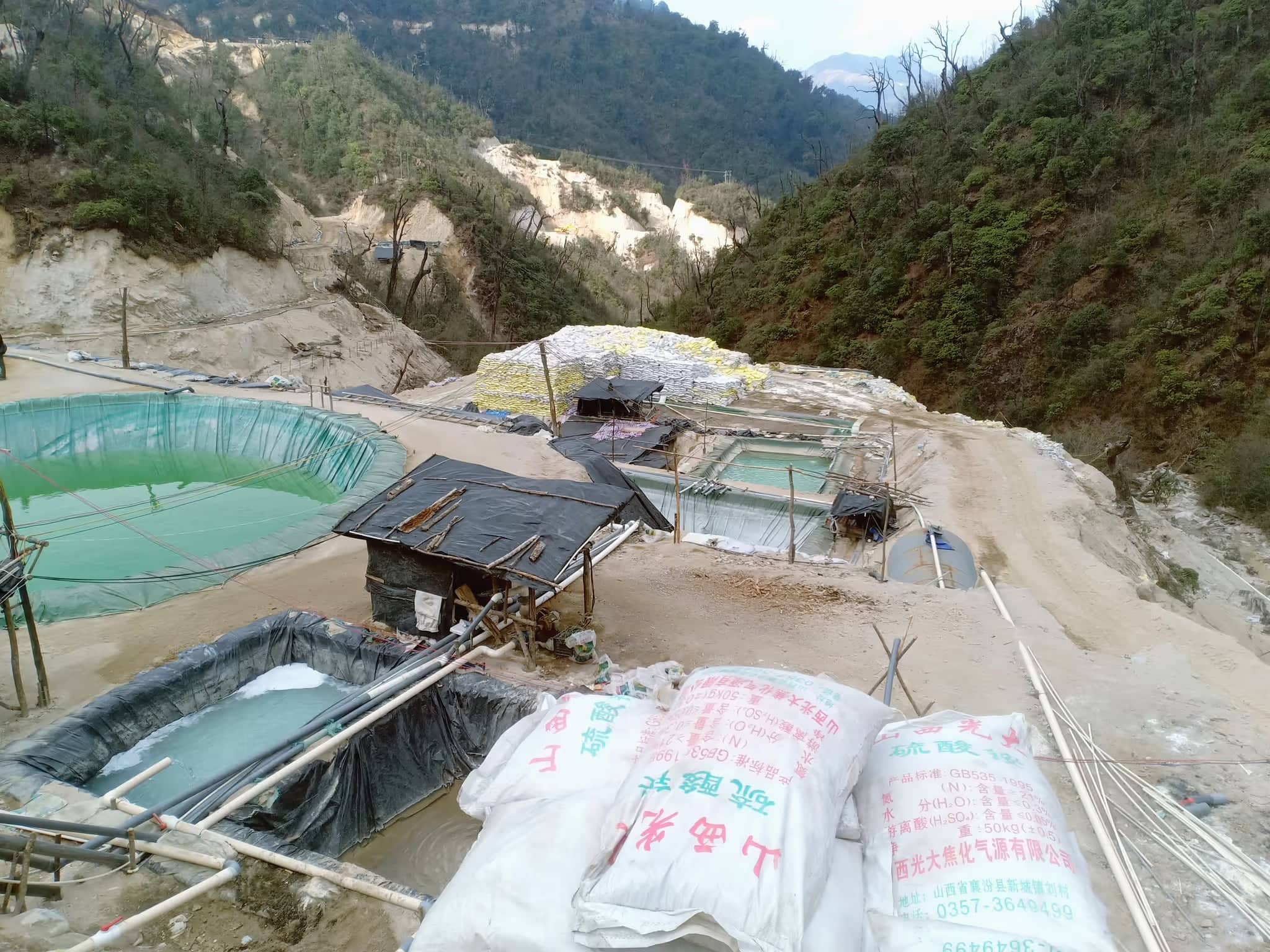
According to Thailand’s National Security Council, Thai companies supply 70% to 80% of the industrial chemicals shipped into Myanmar for gold and rare-earth mines. These operations are contributing to the poisoning of waterways in northern Thailand.
Hazardous compounds exit Thailand through weak customs checks, fueling unregulated extraction in Myanmar’s Shan State. The chemicals wash back downstream as arsenic and heavy metals into the Kok and Sai rivers.
Industrial acids, ammonium sulfate, and cyanide compounds used to leach minerals legally enter Thailand’s ports or roll out of domestic plants under broad commercial classifications. These materials then head north toward border crossings in Chiang Rai and Chiang Mai.
Security officials say weak end-user verification allows buyers to declare shipments for legitimate agricultural or industrial use. The cargo is subsequently diverted into conflict-ridden areas of Shan State.
Water Quality Tests and Health Warnings
Government water sampling confirmed residents' observations of water turning an unnatural, milky gray. Tests by Thailand’s Pollution Control Department detected alarming concentrations of arsenic and heavy metals in river water and sediment across Chiang Rai province.
Thai researchers estimate that an average of 143 kilograms (315 pounds) of arsenic crosses the border daily in the Sai River alone. This contamination threatens municipal water intakes and has prompted health warnings against eating 10 local aquatic species.
The NSC has forwarded a list of specific industrial reagents to the Defense Ministry to classify them as controlled goods. The goal is to choke off cross-border shipments of these materials.