


Stanton's Latest Calf Strain Threatens End to Season
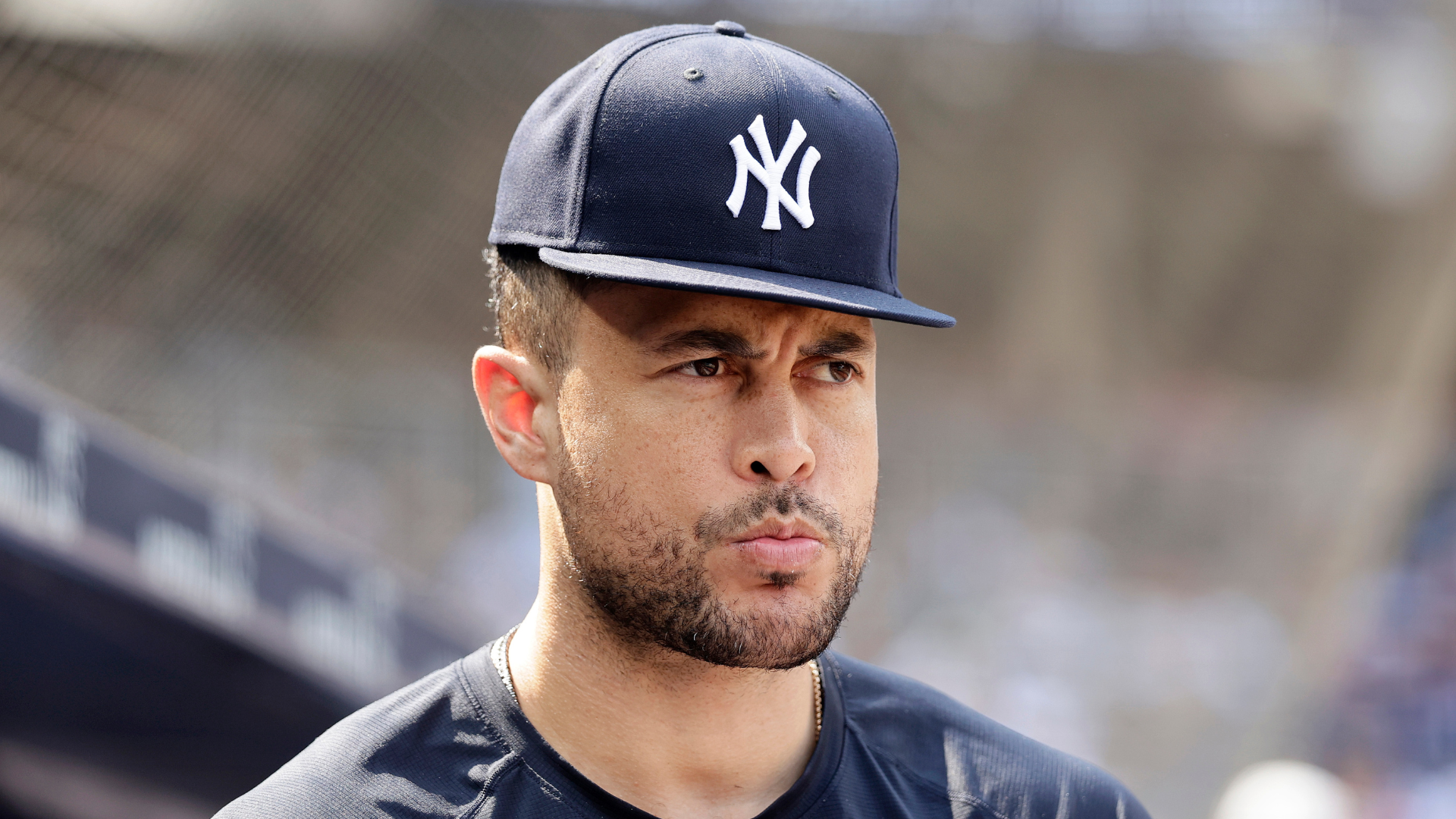
Yankees slugger Giancarlo Stanton has sustained a new calf injury, marking a significant setback for the team’s offensive lineup and casting a long shadow over his 2024 campaign. The latest strain affects his "other calf," indicating that he is dealing with issues in both legs rather than a single localized problem. This development suggests a pattern of recurring lower-body ailments that have plagued the power hitter recently, raising concerns about his long-term durability and availability.
The timing and nature of this injury raise serious questions about Stanton's availability for the remainder of the Major League Baseball season. Reports indicate that the Yankees slugger could be sidelined for the rest of the year, effectively ending his campaign before it has truly begun. For a professional athlete, a season-ending prognosis is a definitive blow, forcing a complete shift in focus from competition to rehabilitation and recovery. The severity of the strain is such that medical staff are likely evaluating the long-term implications for his health and future performance, particularly given the bilateral nature of his current calf issues.
A Pattern of Lower-Body Ailments
Stanton’s absence from the active roster is not a recent occurrence. He has not played since April 24 due to previous calf strains. This significant gap in his playing time highlights the persistent nature of the injuries he has faced this season. The Yankees have had to adjust their lineup and strategic planning around his unavailability, which has impacted the team's overall offensive output during this period. For a player known for his immense power, recurring lower-body injuries can be particularly debilitating, affecting not only his ability to run the bases and play defense but also the rotational force and stability required for his powerful swing.
The challenge with recurring soft-tissue injuries, especially in the calves, is the delicate balance between aggressive rehabilitation and preventing re-injury. Each setback not only prolongs the recovery timeline but also adds to the cumulative wear and tear on an athlete's body. For a slugger whose game relies heavily on explosive movements, maintaining peak physical condition is paramount, and these successive injuries present a formidable hurdle to consistent performance.
Medical Realities and Recovery Challenges
The Complication of Bilateral Injury
The last time Stanton took the field was on April 24. Since that date, he has been unable to participate in any games due to the ongoing calf issues. The initial strains forced him out of action, and the subsequent injury to his other calf has significantly complicated his recovery timeline. Medical professionals are likely monitoring the situation closely to determine if a return is possible before the season concludes, though the outlook appears grim.
The term "other calf" is used to distinguish this latest injury from previous ones, suggesting that he previously injured one calf and has now strained the opposite leg. This bilateral involvement is particularly concerning for athletes in baseball, where leg strength, stability, and explosiveness are crucial for batting power, running speed, and defensive agility. When both calves are compromised, the body's ability to generate force and absorb impact is severely diminished, making even basic athletic movements challenging and increasing the risk of further injury to other parts of the kinetic chain. Recovery from such a scenario often requires a more cautious and extended rehabilitation period to ensure both limbs regain full strength and function.
Uncertainty Surrounding a Return
Calf strains, while common, can be notoriously tricky to manage for professional athletes due to the constant demands placed on these muscles during high-intensity activities like sprinting, stopping, and generating rotational power. A full and complete recovery is essential to prevent chronic issues or re-injury, which often means a longer period away from competitive play than initially hoped. The Yankees organization has not provided further details on the specific medical diagnosis beyond the confirmation of the strain, but the implication of a season-ending injury suggests a significant degree of damage or a cautious approach to avoid long-term complications.
The medical team will undoubtedly focus on a comprehensive rehabilitation program, emphasizing strengthening, flexibility, and gradual return to activity. However, the prospect of missing an entire season underscores the severity of the current situation and the challenge of overcoming multiple, related lower-body injuries within a single playing year.
Yankees Face Significant Offensive Void
Impact on Lineup Dynamics
The potential loss of Stanton for the remainder of the season represents a significant blow to the New York Yankees. As a slugger, his presence in the lineup is expected to provide substantial power, driving in runs and creating scoring opportunities. Beyond his raw statistics, Stanton brings an intimidation factor to the plate, forcing opposing pitchers to be extremely careful, which in turn can create better pitches for his teammates. His absence removes a crucial source of home runs and extra-base hits, which are vital for a team's offensive success.
His absence forces other players to step up and fill the void in the batting order, which may alter the team's approach at the plate. This could mean a reshuffling of the lineup, with players potentially moving into unfamiliar spots or taking on increased pressure to produce. The ripple effect extends beyond individual players, impacting the overall team strategy for run production and situational hitting throughout the season.
Navigating the Season Without a Key Hitter
Team officials and medical staff will likely continue to assess Stanton’s condition daily, though the current outlook suggests that a return before the end of the regular season is unlikely. The decision to place him on the injured list or pursue other roster moves will depend on the progression of his recovery and the team's strategic needs. However, the long-term nature of this injury necessitates a broader view of roster management, potentially opening opportunities for other players to demonstrate their capabilities.
This injury update follows a period of uncertainty for Yankees fans and fantasy baseball players alike. Stanton’s durability has been a topic of discussion throughout his career, and this latest incident adds to the narrative surrounding his physical resilience. For fans, it's a disappointment to lose a star player for an extended period, while fantasy players must now navigate the significant impact on their rosters. The team will need to manage its roster carefully to mitigate the impact of losing one of its key offensive contributors, both in terms of on-field production and clubhouse morale.
The focus now shifts to how the Yankees can maintain competitiveness without their star slugger. Other players in the lineup must increase their production to compensate for the missing power, and the coaching staff will need to devise strategies to maximize the offensive output from the available roster. The organization’s ability to adapt to this significant challenge will be a critical factor in their standing as the season progresses and their pursuit of postseason contention.