

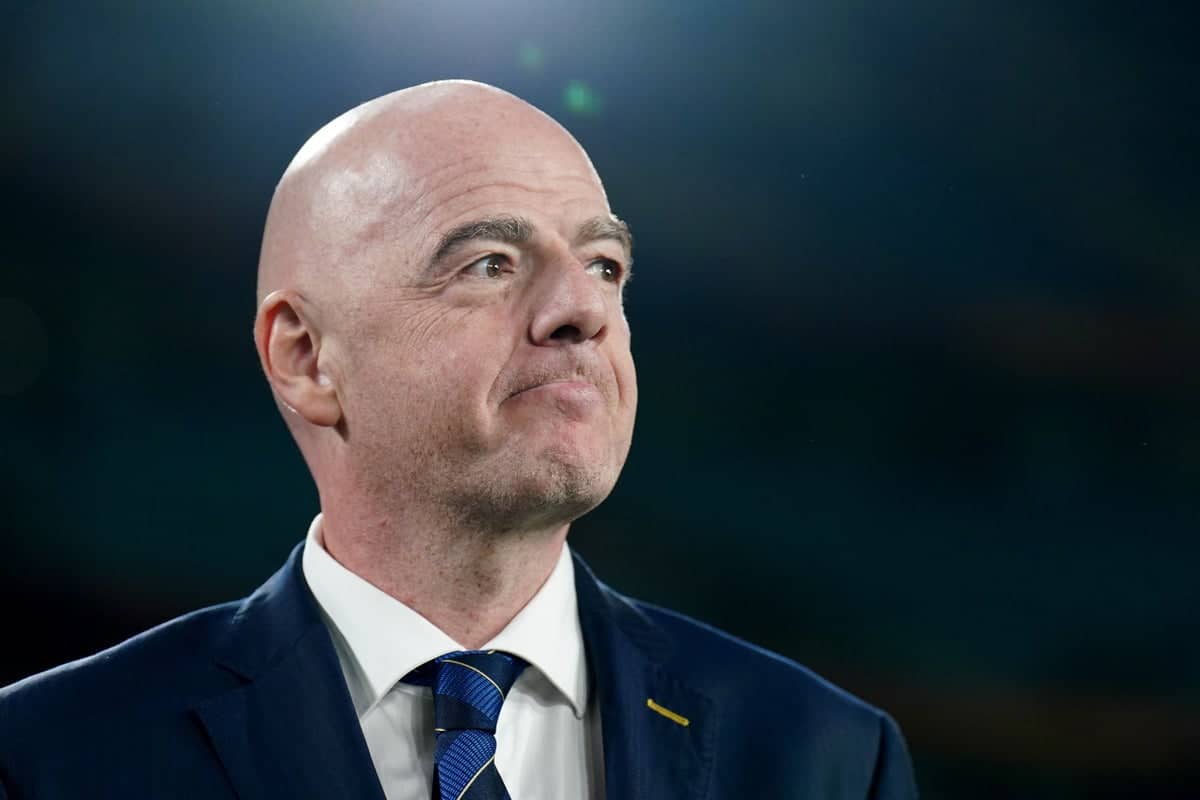

Failed Proposal Sparks Leadership Uncertainty
The position of Gianni Infantino, currently serving as president of the international football governing body known as Fifa, is facing significant uncertainty. This instability reportedly stems from his administration's controversial plans to introduce private investment into the World Cup tournament.
According to reports, these proposals involved offering $40 million each to FIFA member associations in exchange for their backing of a plan that would allow outside investors access to men and women World Cups as well as other competitions. The initiative was designed by Infantino's administration but met with significant backlash from various stakeholders within the sport.
Following this intense opposition, the proposal was scrapped just days after its initial announcement. Sources indicate that the collapse of these privatization plans has led to widespread speculation regarding Infantino's job security. Some publications have suggested directly that he faces no alternative but to resign with as much grace as possible given the circumstances.
European Governing Body Threatens Boycott
The controversy surrounding the investment plan escalated quickly after UEFA, European soccer's governing body, responded to the proposal. Reports state that UEFA threatened to boycott future World Cups if Infantino proceeded with introducing outside investors into the competitions under his administration.
This threat from Europe's continental federation added substantial pressure on FIFA leadership. The backlash was described as one of the fierest in the history of Infantino's presidency by observers tracking the situation. Despite the proposal being abandoned shortly after, the damage to relationships and trust within international football governance remains a point of discussion.
Commercial Motives Behind Investment Push
Analytical pieces on the matter suggest that the underlying motivation for seeking outside investment was not primarily financial necessity but rather strategic growth objectives. Reports indicate that FIFA's desire was focused on achieving faster growth, particularly within the United States market, rather than a need to cover operational expenses.
Commentators note that nobody seriously believes Fifa is short of money given its control over the World Cup and other major sporting events. The organization controls what has been described as the most valuable sporting event on earth in terms of commercial potential. However, leadership appears driven by ambitions to expand market share rather than immediate fiscal requirements.
Market Expansion Focuses on American Opportunity
The United States represents a rare exception among developed nations where football still possesses significant room for growth despite having conquered most other global markets. Following the commercial success of the 2026 World Cup, arguments regarding whether Americans understand or appreciate football have been solidified according to business analysts covering international sports.
Questions now focus on whether football can secure a larger portion of American media rights budgets and sponsorship spending in addition to matchday revenue streams. The proposal was characterized by some as a commercial restructuring intended to place certain assets into separate vehicles while maintaining control over the sport itself through existing structures.
Career Implications for FIFA President
Editorial commentary suggests that Infantino's botched attempt to hand critical interest in the World Cup over to private equity will end his career regardless of how he attempts to manage the fallout. The plan reportedly included offering stakes to someone closely linked to a prominent political family member associated with American politics.
The easy reaction from critics was to ask whether Fifa was effectively selling football itself rather than restructuring its operations for growth purposes. This characterization emerged alongside broader questions about governance structures at this level of international sport management.