Unprecedented Global Turmoil and Systemic Fragmentation
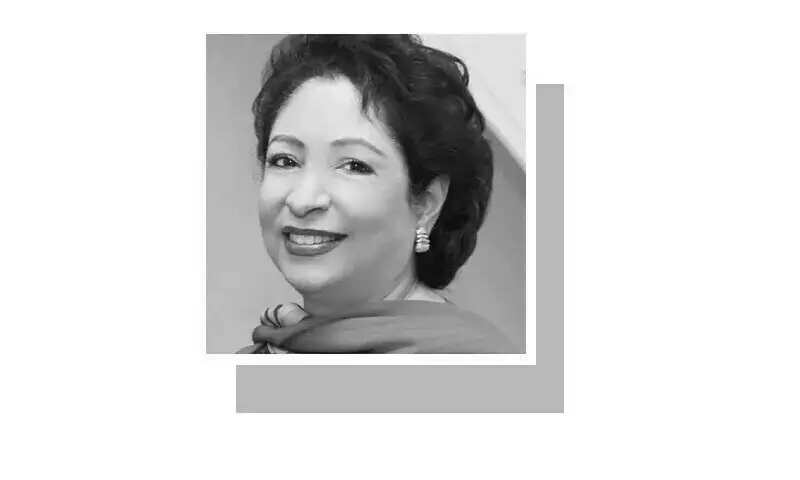
The world is currently at an inflection point characterized by significant geopolitical upheaval and turmoil, according to Maleeha Lodhi, a former ambassador to the United States, the United Kingdom, and the United Nations. In her analysis published on June 29, 2026, Lodhi asserts that global instability is now higher than at any time since the conclusion of the Cold War.
Rising geopolitical tensions and fierce geoeconomic competition are cited as primary contributors to this heightened state of disorder. Lodhi describes the current international landscape as one where the established order and its associated rules have dissolved, leaving the international system in a state of fragmentation. Multilateralism remains under unprecedented stress as power shifts continue to reshape the global hierarchy.
These dynamics mark what Lodhi identifies as the advent of a multipolar era. The disregard for international law and norms by both major powers and regional actors has created a "rule-less terrain," forcing countries to navigate an environment defined by uncertainty and volatility.
Hard Power as the Primary Instrument of Statecraft
A central theme in Lodhi’s assessment is the re-emergence of hard power as a dominant tool for international relations. She states that hard power has returned "with a vengeance," noting that while it never fully disappeared, it has now become the first option rather than the last resort for powerful countries seeking to bend other states to their will.
According to Lodhi, diplomacy in this new era occurs only after missiles have been fired. This shift is evidenced by a series of recent military engagements that she argues flouted international law and the legal prohibition on the use of force. These actions were carried out with impunity, further fragmenting an already crumbling global order.
Lodhi lists specific examples to illustrate this trend toward the increasing use of force:
- The US and Israel’s attack on Iran.
- Russia’s invasion of Ukraine.
- Israel’s war on Gaza, Lebanon, and Syria.
- India’s military action against Pakistan.
These events are described as testaments to the changing nature of power projection in the current geopolitical climate.
Scholarly Perspectives on a Divided World
The future outlook for this state of disorder is characterized by Lodhi as troubled and chaotic. To understand the present disarray and potential future trajectories, several scholarly works have been published that address the world in transition.
Lodhi highlights three specific texts that offer varying perspectives on the current state of play:
- The Triangle of Power: Rebalancing the New World Order by Alexander Stubb.
- The Return of the Great Powers by Brendan Simms.
- Statecraft: The New Rules of Power in a Divided World by Jack Watling.
Alexander Stubb, identified as the president and former prime minister and foreign minister of Finland, draws on his diplomatic experience for his analysis. These scholarly works provide insight into how different experts interpret the rebalancing of the new world order and the rules governing power in a divided global landscape.
Lodhi’s article serves as an assessment of these broader trends, linking the abstract concepts of multipolarity and geoeconomic competition to concrete military actions and the resulting fragmentation of international norms. The convergence of these factors creates a complex environment where traditional diplomatic frameworks are being replaced by immediate displays of military capability.