

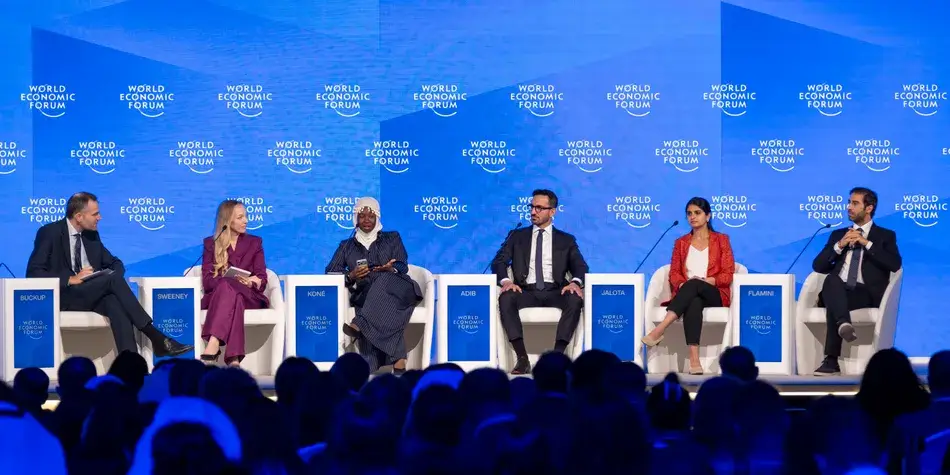

Panel Focuses on Necessary Mindset Shifts
Five leaders used the opening panel of the Annual Meeting of Global Future Leaders 2026 to discuss what global decision-makers need to unlearn to focus on the future, according to a press release from Zawya. The event was organized by the UAE Government and the World Economic Forum (WEF) in collaboration with the Dubai Future Foundation.
Sebastian Buckup, Managing Director of WEF, chaired the session. The discussion centered on the risks associated with maintaining outdated habits and the necessity of adapting to rapid technological and environmental changes.
Youth Priorities and Economic Outlook
The panel opened with findings from the Global Shapers Youth Pulse 2027, presented by Natalie Pierce, Director of WEF’s Global Shapers Community. Pierce stated that the report found climate change remains the top priority for young people worldwide.
Pierce noted that artificial intelligence has evolved into a daily reality for this demographic. She called for new pathways into the labour market and for enhancing the value of human capabilities alongside AI. Despite these challenges, Pierce said young people remain optimistic about progress and expect stronger economic prospects than previous generations.
Technological Impact on Geopolitics
Professor Fadel Adib of MIT addressed the broader implications of technological advancement. Adib said artificial intelligence is changing how people think on a personal level and affecting geopolitics, economies, and industries globally.
Adib noted that AI is moving into the physical world through sensing technologies, robotics, and automation. He emphasized that these shifts are altering the fundamental structures of global interaction and industry operations.
Regional Optimism and Organizational Adaptability
Mariam Nourya Koné, Founder of Hackily and Global Shaper, highlighted regional perspectives on future readiness. Koné said young people in Sub-Saharan Africa are among the most optimistic in the world. She encouraged them to take ownership of the future by building their own systems and solutions.
Kiara Winona Sweeney, Vice-Curator of the Global Shapers’ Munich Hub, stressed that building for the future requires changing decisions made today. Sweeney identified adaptability, willingness to realign budgets and incentives toward long-term goals, and the ability to experiment as characteristics of successful organizations.
Inclusive Technology Design
Suhani Jalota, Founder and CEO of Myna Mahila Foundation, argued that communities should play an active role in the design and development of technology. Jalota noted that AI systems failing to reflect the voices of the majority of the world’s population are inherently limited.
Defining Qualities for Future Success
Mathieu Flamini, Co-Founder and CEO of GFBiochemicals, identified adaptability, rapid learning, and anticipation as qualities that will define future success. His comments aligned with the panel’s broader theme that unlearning past assumptions is critical for managing risk in an uncertain global landscape.