

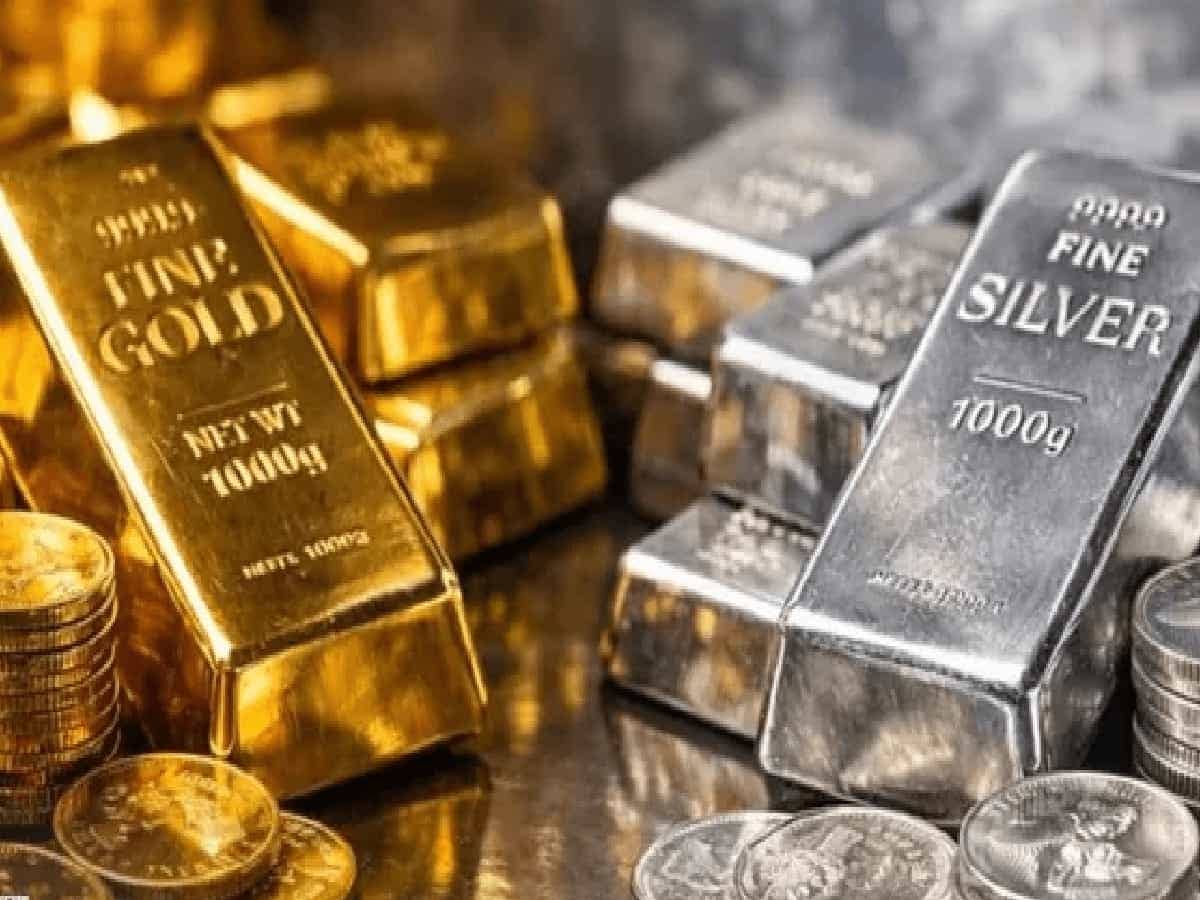

Precious Metals Rally Amid Political Shift
Bullion markets across the globe and in India experienced an explosive upward rally on Wednesday morning as gold and silver prices spiked rapidly within minutes of decisive results emerging from the 2026 United States midterm elections. The political shift, which saw President Donald Trump’s Republican Party cede legislative control after the opposition Democratic Party locked in working majorities, triggered immediate movements in international foreign exchange and commodity desks.
On the Comex exchange, heavy institutional buying propelled gold prices higher by 2.0 percent, causing spot and futures contracts to breach $4,017 per ounce. Silver on the same exchange surged 3.03 percent, trading north of $51 per ounce.
In India, benchmark gold contracts on the Multi Commodity Exchange (MCX) climbed 1.73 percent by 11:45 AM IST, touching ₹1,41,990 per 10 grams. MCX silver contracts also saw significant gains, surging 3.10 percent to establish a milestone at ₹1,85,499 per kilogram.
Legislative Outcomes Drive Market Reaction
The market volatility followed the Democratic Party clinching 51 seats in the US Senate and 218 seats in the House of Representatives. This outcome marked a decisive political upset that unleashed severe tremors across international financial sectors.
Veteran commodity market expert Anuj Gupta stated that the Republican Party's legislative defeat prompted an immediate realignment of risk premiums across global assets. The rapid price increases in both US and Indian markets reflected this swift reassessment of geopolitical stability by traders.
Geopolitical Implications for Foreign Policy
Financial analysts and foreign policy observers assess that a Democratic-controlled Congress may apply pressure to alter current foreign policy trajectories. This potential shift is viewed as a factor in the safe-haven accumulation driving precious metal prices higher.
Observers note that the new legislative balance could potentially expedite de-escalation pathways for hostilities in the Middle East. Driven by shifting geopolitical calculations and potential recalibrations of overseas military engagements, these factors contributed to the blistering intraday gains recorded across domestic and overseas exchanges.